
Florida Emergency Order Expands as New Rain Threatens Flooded Central and South Florida
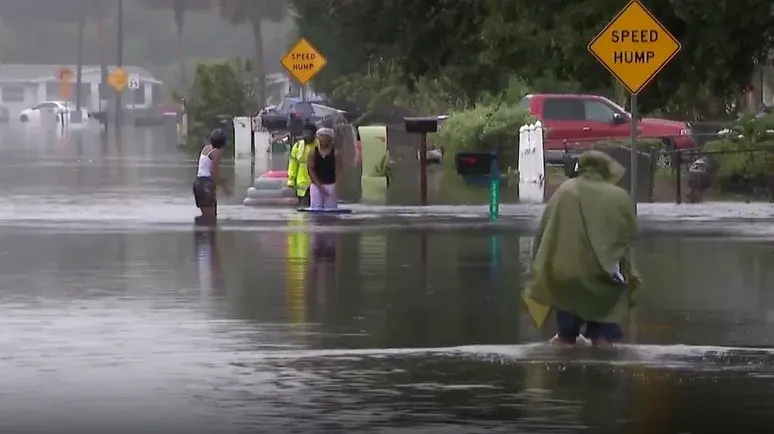
Heavy rainfall continues to impact Central and South Florida, prompting Governor Ron DeSantis to expand a state of emergency to 21 counties. Flooding, road closures, and suspended train services persist as saturated ground increases the risk of further damage through the weekend.
Key points
- Gov. Ron DeSantis expanded the state of emergency on Wednesday to include Broward, Duval, Flagler, Miami-Dade, Monroe, Putnam, and St. Johns counties, in addition to the 14 counties covered by the original order declared two weeks prior.
- The amended executive order remains in effect through January 1, 2027, citing severe rainfall in Broward County, where over 10 inches fell in 12 hours, and warning of potential additional damage to infrastructure along the east coast.
- Brightline suspended long-haul service between Orlando and West Palm Beach on Friday, November 20, due to hazardous conditions and flooding in Brevard and Orange counties, while maintaining service in South Florida.
- The Florida Division of Emergency Management is deploying hundreds of National Guard and State Guard personnel, over 200 Highway Patrol troopers, and 235 Fish and Wildlife Conservation Commission officers to assist with response efforts.
- A flood warning is in effect for Central Brevard County until 1:30 p.m. Friday, with forecasts predicting additional rainfall through Saturday, particularly in areas east of Orlando, before conditions improve on Sunday.
Background
This event follows historic flooding in Brevard County earlier in November, where some areas received over 20 inches of rain, resulting in two deaths and widespread infrastructure damage. The current situation is compounded by El Niño conditions, which have increased the risk of above-average rainfall and tornadoes in the region. Previous coverage noted that the St. Johns River had already surpassed its 1953 record level, and over 100 high-water rescues were conducted in Brevard County alone.
How outlets are covering it
WESH emphasizes the ongoing danger from saturated ground and the specific suspension of Brightline services in Central Florida, highlighting the immediate impact on transportation and daily life. The New York Times focuses on the intensity of the rainfall in South Florida, specifically noting that Broward County received up to 15 inches of rain in 24 hours, leading to water rescues and school closures. News4JAX provides the official scope of the state of emergency, detailing the expansion to 21 counties and the specific rainfall totals cited in the executive order, while also noting the order's expiration date. All sources agree on the severity of the flooding but differ in their geographic focus, with WESH and News4JAX highlighting Central Florida and the state-wide response, while The New York Times concentrates on the localized impact in Broward County.
Why it matters
The expansion of the state of emergency and the deployment of significant state resources indicate that the flooding is a major, multi-county crisis requiring coordinated response. The suspension of Brightline services disrupts a key transportation link in Central Florida, while the forecast for additional rainfall through Saturday poses a continued threat to infrastructure and public safety in already saturated areas.
What to watch
Residents should monitor local alerts for potential evacuations and road closures through Saturday. The forecast predicts mostly sunny conditions with a 10% chance of rain on Sunday, suggesting a potential break in the weather pattern, but the saturated ground remains a concern for any additional precipitation. Authorities will continue to assess infrastructure damage and manage flood response activities in the affected counties.
- Flooding, road closures continue across Central Florida as more rain moves in WESH
- Florida Atlantic Coast faces dangerous flooding as intense rain prompts emergency declarations and rescues FOX Weather
- Florida flooding rain topped monthly, fall, all-time records The Weather Channel
- In Florida, More Rain Threatens Flooded Areas and Roads The New York Times
- Florida Gov. DeSantis declares expanded state of emergency over intense rainfall News4JAX
Want the full story? Read the original reporting
Read on WESH