
Hawaii Prepares for Potential Cyclone Week After Hurricane Lala Devastation
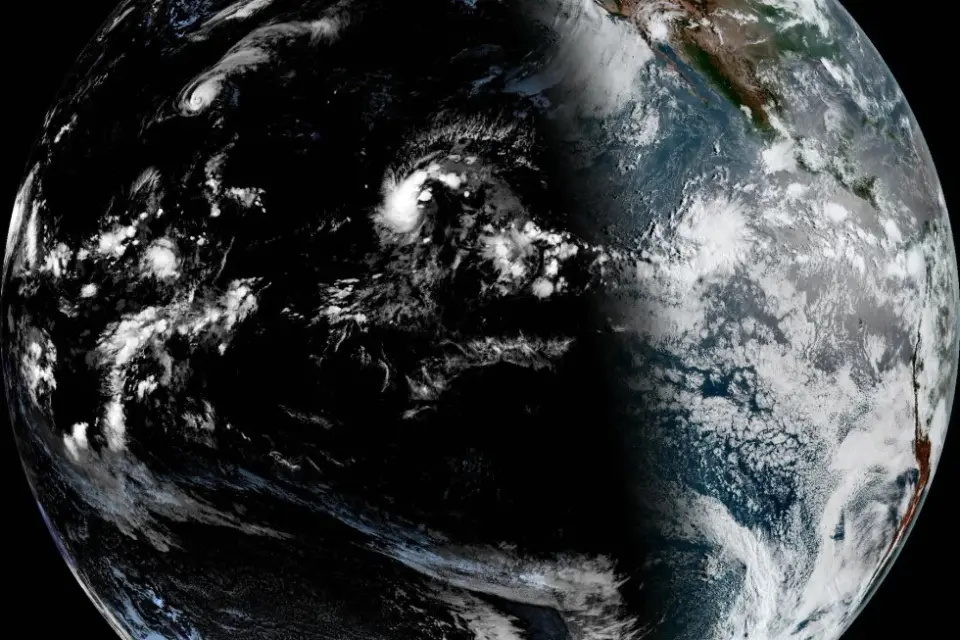
Hawaii is bracing for potential cyclone activity this weekend as it recovers from Hurricane Lala, the first major Central Pacific hurricane of 2026. The storm caused severe damage, including 43.54 inches of rainfall on the Big Island's northeast coast, washed-out homes, and damaged bridges. Approximately 13,200 customers remain without power, with restoration efforts in hard-hit areas expected to take at least two weeks. Lala, now west of the main islands with 90 mph winds, is affecting the Papahanaumokuakea Marine National Monument. Authorities warn of continued hurricane conditions in remote areas between Lisianski Island and Maro Reef.
Key points
- Hurricane Lala is the first major hurricane of 2026 in the Central Pacific Ocean.
- The storm's heaviest rainfall, 43.54 inches, was recorded on the Big Island's northeast coast.
- Dozens of homes were washed from foundations and bridges were damaged.
- About 13,200 customers on the Big Island remain without power as of Thursday.
- Power restoration in hard-hit areas could take at least two weeks, according to Hawaiian Electric.
- Lala had top sustained winds of 90 mph on Thursday and is spreading hurricane conditions across the Papahanaumokuakea Marine National Monument.
Background
Hawaii has been monitoring multiple Pacific disturbances since mid-August 2026. Earlier reports indicated a 90% chance for a new tropical depression named Moke to develop, potentially complicating recovery efforts from Lala. The current storm activity is occurring amid exceptionally warm ocean temperatures driven by El Niño, marine heat waves, and climate change, which have fueled a busier Pacific storm season. Previous coverage noted that Lala was the first hurricane to threaten the state since 1992, causing life-threatening floods and mudslides, though no loss of life was reported.
Why it matters
The potential for a new cyclone during the recovery phase from Hurricane Lala poses significant risks to infrastructure and residents in Hawaii. The combination of severe flooding, power outages, and ongoing hurricane conditions in remote areas highlights the vulnerability of the region to extreme weather events. The extended power restoration timeline and the influence of El Niño on storm activity underscore the need for sustained emergency preparedness and resource allocation in the coming weeks.
What to watch
Authorities are monitoring the potential for a new cyclone this weekend, which could bring additional heavy rain to the Big Island. Power restoration efforts will continue, with a minimum two-week timeline for hard-hit areas. The National Weather Service and Hawaiian Electric will provide updates on the storm's track and power restoration progress. Residents are advised to remain vigilant and prepared for potential further impacts from the ongoing cyclone activity.
Want the full story? Read the original reporting
Read on AP News