
Japan’s Nuclear Policy Shifts as Hiroshima Anniversary Marks 81 Years
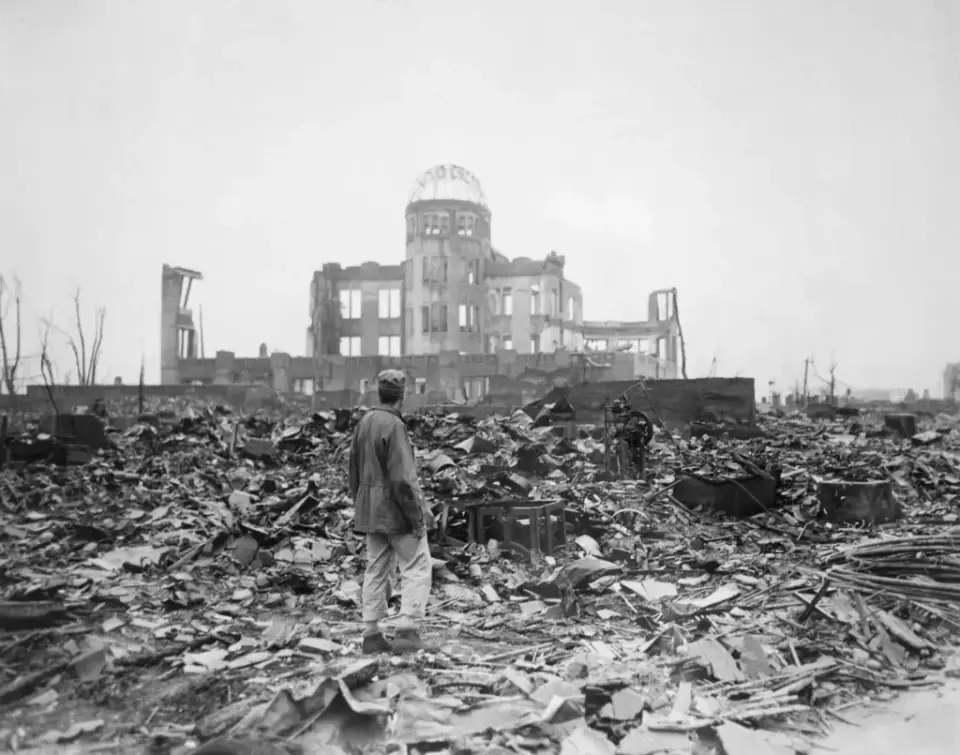
On the 81st anniversary of the atomic bombing of Hiroshima, Japanese Prime Minister Sanae Takaichi avoided a clear reaffirmation of the country’s Three Non-Nuclear Principles, sparking debate over future policy. Simultaneously, a newly published memoir by survivor Kiyoshi Tanimoto highlights the long-term human cost of the bomb, while global nuclear tensions rise.
Key points
- Prime Minister Sanae Takaichi stated Japan is 'upholding' the Three Non-Nuclear Principles but did not pledge to maintain them in the future, a shift from previous leaders.
- Defense Minister Shinjiro Koizumi stated that 'all policy options should be discussed without taboo,' suggesting potential changes to the ban on nuclear weapons in Japan.
- Kiyoshi Tanimoto’s memoir, 'Hiroshima, 8:15: The Lost Memoir,' was recently published after being rediscovered in Yale University archives, focusing on the rebuilding process after the blast.
- The New START treaty expired in February 2026, removing the last major arms-control agreement between the US and Russia, amid rising nuclear capabilities in China and North Korea.
Background
Japan has upheld the Three Non-Nuclear Principles for over 50 years, which prohibit the possession, production, or entry of nuclear weapons. This policy is rooted in the trauma of the 1945 bombings of Hiroshima and Nagasaki and is supported by atomic bomb survivors who advocate for global disarmament. Historically, journalist John Hersey’s 1946 article in The New Yorker was pivotal in bringing international attention to the human suffering caused by the atomic bomb, bypassing censorship that restricted reports on radiation effects.
How outlets are covering it
The Washington Post highlights the political ambiguity in Takaichi’s remarks, noting her status as a security hawk and the potential for policy revision. In contrast, The Dispatch focuses on the historical and human dimension through the publication of Tanimoto’s memoir, emphasizing the aftermath rather than the blast itself. AP News and Engelsberg Ideas contextualize these domestic shifts within a broader global crisis, citing the expiration of the New START treaty and the rapid expansion of Chinese and North Korean nuclear arsenals as drivers for Japan’s potential policy shift.
Why it matters
Japan’s potential move away from its non-nuclear stance could alter the security balance in Asia and signal a shift in global non-proliferation norms. This occurs at a time when major arms-control treaties have lapsed and regional powers are expanding their nuclear capabilities, raising concerns about a new arms race.
What to watch
The Japanese government plans to revise its national security strategy by the end of 2026. Observers will watch for specific policy changes regarding the Three Non-Nuclear Principles and how Japan responds to the absence of the New START treaty and rising threats from China and North Korea.
- What Came After Hiroshima The Dispatch
- Nagasaki marks 81st atomic bomb anniversary as mayor says nuclear deterrence only increases risk AP News
- John Hersey and the horrors of Hiroshima Engelsberg Ideas
- On Hiroshima anniversary, Japan’s premier shifts tone on nuclear policy The Washington Post
- Takaichi doubles down on ambiguity over nonnuclear principles at Nagasaki ceremony The Japan Times
Want the full story? Read the original reporting
Read on The Dispatch