
Al-Qaeda Rebuilds Training Network in Afghanistan Amid Taliban Rule
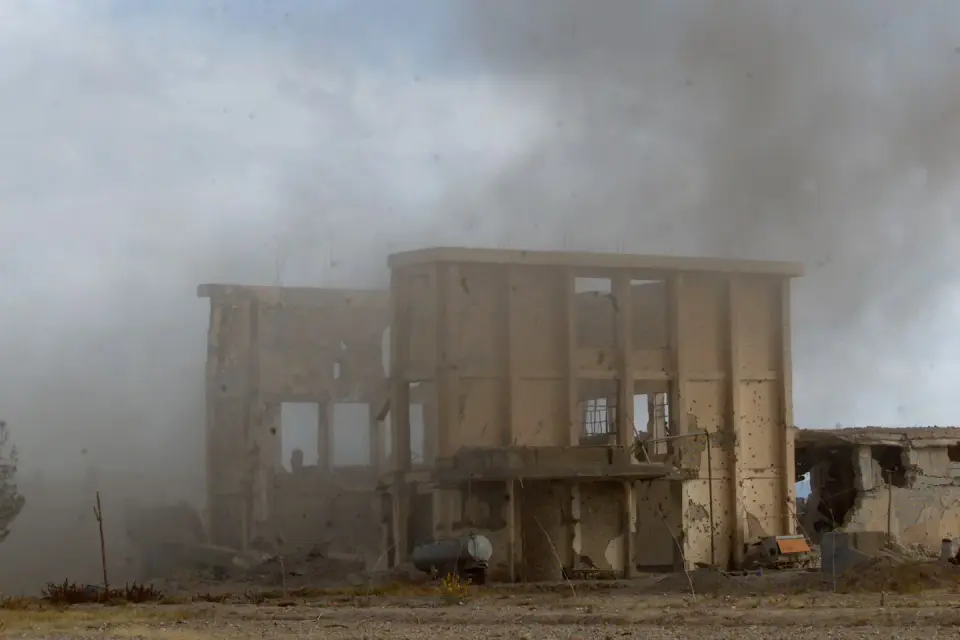
Twenty-five years after the September 11 attacks, al-Qaeda has re-established at least eight training camps in Afghanistan, leveraging the Taliban’s return to power and the U.S. military withdrawal. While the group’s core leadership remains fragmented, its affiliates and next-generation operatives are expanding regional influence and utilizing advanced encrypted communications.
Key points
- U.S. and Western intelligence officials, along with a United Nations monitoring body, confirm that al-Qaeda has set up at least eight new training sites in Afghanistan over the past three years.
- Former CIA officer Sarah Adams notes that the group now possesses capabilities the original 2001 team lacked, including encrypted communications and a broader network of regional affiliates in Yemen and North Africa.
- The U.S. withdrawal from Afghanistan left behind sophisticated training facilities and disrupted intelligence collection, creating security gaps that adversaries are exploiting.
- Al-Qaeda’s current strategy focuses on regional conflicts rather than large-scale global attacks, acting as a consultant for other militant groups.
- The resurgence highlights the fragility of the post-2001 Afghan democratic experiment and the long-term consequences of the U.S. and NATO withdrawal.
Background
This development follows a period where analysts, such as Audrey Cronin, argued that al-Qaeda’s core had effectively ended due to leadership decapitation and internal splits. However, the current resurgence suggests that while the central command may be weakened, the organization’s infrastructure and ideological reach have reconstituted in Afghanistan. This contrasts with the earlier narrative of a decentralized threat, showing a renewed physical presence in the region where the 9/11 plot was originally conceived.
How outlets are covering it
The Washington Post emphasizes the physical re-establishment of training camps and the role of the Taliban in enabling this resurgence. The National News Desk, through former CIA officer Sarah Adams, highlights the technological advancements of the group and the strategic gaps left by the U.S. withdrawal, including the loss of intelligence collection and the potential for domestic terrorism in the U.S. The Guardian, through journalist Shadi Khan Saif, provides a broader historical perspective, focusing on the failure of the 20-year war in Afghanistan and the collapse of democratic institutions, arguing that military solutions alone are insufficient and that humanitarian and diplomatic approaches are needed to address the root causes of instability.
Why it matters
The re-emergence of al-Qaeda in Afghanistan signals a potential shift in global terrorism dynamics, moving from a focus on large-scale attacks to a more distributed, regional threat. It underscores the long-term consequences of the U.S. withdrawal from Afghanistan and the challenges of maintaining counterterrorism efforts without a physical presence. The situation also raises questions about the effectiveness of current intelligence and security strategies in addressing evolving terrorist networks.
What to watch
U.S. and Western intelligence agencies will likely increase monitoring of al-Qaeda’s activities in Afghanistan, potentially through drone strikes or other covert operations. There may be a renewed focus on disrupting the group’s financing and communication networks. Diplomatic efforts to engage with the Taliban and other regional actors may also intensify to address the security vacuum. Additionally, there could be a shift in U.S. domestic security policies to address the potential for terrorism on home soil, as highlighted by Sarah Adams.
- Al-Qaeda regroups in Afghanistan, 25 years after 9/11 The Washington Post
- The ‘Forever War’ in Afghanistan: 25 Years in Pictures The New York Times
- Former CIA officer warns US shift leaves gaps as al-Qaida regroups in Afghanistan National News Desk
- After 9/11, I lived through Australia’s long war in Afghanistan. There are lessons the world must learn | Shadi Khan Saif theguardian.com
- UN monitoring findings point to continued al-Qaeda activity 25 years after 9/11 - analysis jpost.com
Want the full story? Read the original reporting
Read on The Washington Post