
BBC Investigation Reveals Austin Tice Kidnapping Was Pre-Planned by Assad Regime
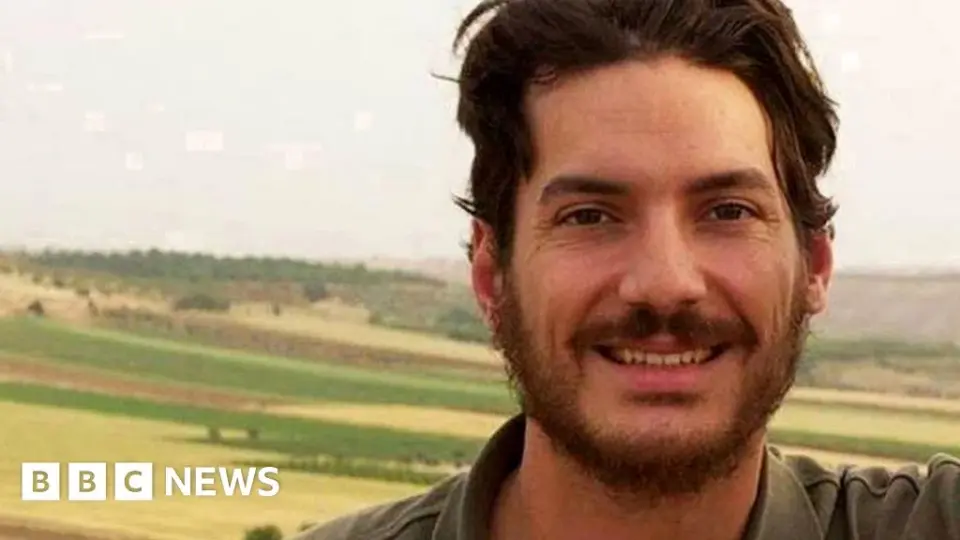
A new BBC investigation reveals that the 2012 kidnapping of US journalist Austin Tice in Syria was a calculated operation planned for over a month, not an opportunistic checkpoint stop. Evidence indicates the abduction was sanctioned by then-President Bashar al-Assad and executed by the National Defense Forces (NDF). While secret Syrian intelligence files confirm the regime held Tice, his current whereabouts remain unknown, and his driver has also disappeared.
Key points
- The BBC’s 'Where is Austin Tice?' podcast reveals that Tice’s abduction was pre-planned by the Assad regime, contradicting previous assumptions of chance.
- A former NDF member, Abu Ali, claims the operation was approved by President Assad after Tice’s driver, Hamid Abu Obeid, reported the journalist’s activities.
- Secret Syrian intelligence files confirm the regime held Tice, but conflicting reports exist regarding his fate, with some claiming execution and others suggesting he was alive.
- Tice’s driver, identified as Hamid Abu Obeid, was promised citizenship and a house for the betrayal but received only a pistol; he has since disappeared.
- Despite the fall of the Assad regime, Tice was not among the thousands released from prisons, and his remains have not been found.
Background
Austin Tice, a former US Marine and Georgetown law student, disappeared in August 2012 while reporting on the Syrian civil war. His case has been followed by international media and cited by US presidents for over a decade. Previous investigations suggested his disappearance might have been accidental, but new evidence points to a state-sponsored operation.
How outlets are covering it
The BBC and NPR emphasize the premeditated nature of the kidnapping, highlighting the involvement of high-level regime figures like Bassam al-Hassan. The BBC notes that while some sources claim Tice was executed, others question this, and no remains have been found. The driver’s family provides a motive for the betrayal, citing poverty and promised rewards, but his current status is unknown. All sources agree that the regime’s fall did not resolve the case, leaving both Tice’s and the driver’s families in limbo.
Why it matters
This investigation challenges the long-held narrative that Tice’s disappearance was accidental, implicating the Assad regime directly in a state-sponsored kidnapping. It highlights the ongoing uncertainty for families of disappeared persons in conflict zones and the lack of closure even after regime changes. The case underscores the risks faced by journalists in war zones and the complex dynamics of intelligence and betrayal in civil wars.
What to watch
The BBC and NPR will continue to investigate the conflicting reports on Tice’s fate and the whereabouts of his driver. The case may see renewed attention from US authorities and international human rights organizations, but no immediate resolution is expected. The families of both Tice and the driver remain in a state of uncertainty, with no confirmed information on their loved ones' current status.
- Austin Tice: Assad regime planned US journalist's kidnap for weeks, BBC finds BBC
- The mission? Solve this missing-person case with a $1m reward The Times
- Where is Austin Tice?: The American journalist : Embedded NPR
- BBC: American journalist kidnapped in Syria in carefully planned operation, Assad told to "bring him to us" vijesti.me
- Secret files reveal Assad ordered kidnapping of US journalist missing for 14yrs the-sun.com
Want the full story? Read the original reporting
Read on BBC