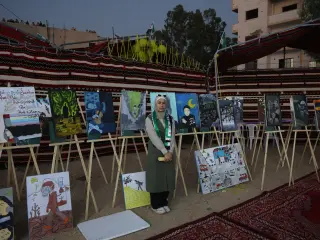
A traditional glassblower in Damascus continues producing colorful cups and lamps using unchanged techniques, despite high heat and a struggling economy where basic goods have become luxuries for many.
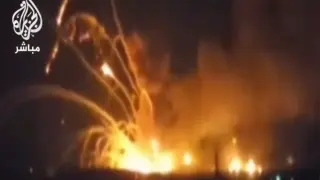
A series of powerful explosions struck a Syrian army depot near al-Eis, south of Aleppo, injuring at least four people. Authorities evacuated casualties, closed roads to the site, and urged residents to stay indoors as emergency services responded; the cause of the blasts was not immediately known.
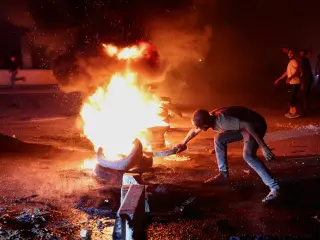
Rising crude and diesel costs tied to Middle East conflict trigger protests and roadblocks in multiple countries, from Syria to Guatemala and France, with demonstrations across dozens of cities as fuel prices spike and subsidies/ policies are contested.
The BBC’s podcast investigation shows that journalist Austin Tice was kidnapped in 2012 by the Assad regime in a plan more than a month in the making, approved at the highest level and carried out by the National Defence Forces after Tice’s driver betrayed him; years of searches yielded no remains, but the BBC obtained internal Syrian intelligence files corroborating regime involvement. The case remains unresolved, with Tice’s family continuing to seek answers.
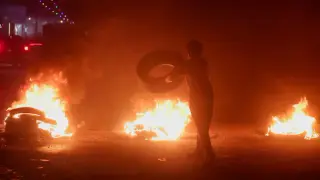
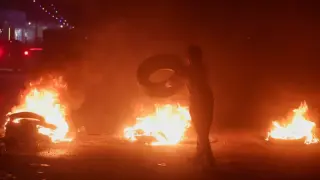
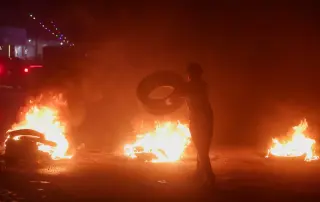
Protests erupted across Syria after the government raised diesel by about 40% and petrol by nearly 30%, citing a temporary rise due to higher global procurement costs. Demonstrations were reported in Raqqa, Hassakeh, Idlib and Aleppo, with protesters burning tires and blocking roads as taxi drivers hiked fares. The move comes as Syria’s economy—wounded by war, sanctions, and corruption—struggles with poverty; officials say the energy sector relies on imports (about two-thirds) and refinery maintenance worsened shortages. The Syrian People’s Assembly plans a listening session with energy minister Mohammad al-Bashir to explain the price rise.
Protests flare across Syria after the government raises diesel about 40%, petrol at least 25%, and cooking gas around 9%, highlighting public anger over the cost of living even as sanctions relief and steps toward reintegration raise hopes for an economic rebound; analysts say the recovery remains slow and uneven, with households bearing the brunt of inflation, while authorities consider targeted price protections and refinery upgrades to ease supply.
Protests erupt in several Syrian cities after the government boosted diesel prices up to 40% and petrol by 28%, with demonstrators blocking a main highway and burning tyres. Officials say the raises reflect higher global fuel costs and an overhaul of the Baniyas refinery to raise capacity from 80,000 to 130,000 barrels per day; Syria, heavily dependent on imports, will review prices as conditions change while seeking to expand refining and storage to aid economic recovery.
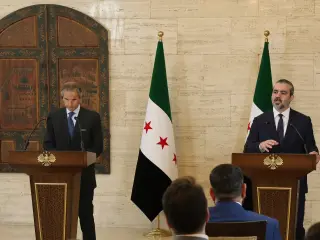
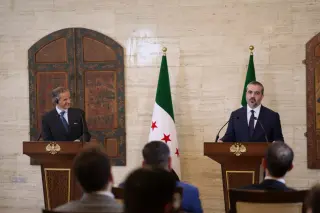
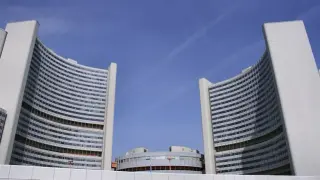
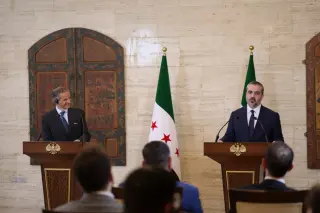
IAEA chief Rafael Grossi said Syria’s Assad-era reactor at Deir Az Zor was configured to produce fissile material that could be used for nuclear weapons, and the material is now under IAEA safeguards as inspectors verified cooling infrastructure and continued monitoring; Syria’s new authorities are cooperating, with the agency planning to watch excavation progress and noting other undeclared facilities such as a fuel fabrication plant and storage site.
The IAEA reports that a secretive, nearly completed Syrian reactor could have produced fissile material for nuclear weapons. Inspectors confirmed about 73 tonnes of natural uranium metal at an undeclared site, now under safeguards, with Syria deciding whether to move or remove the material.
The IAEA concluded that Syria’s undeclared nuclear reactor at the al-Kibar site could have produced weapons-grade material if completed, underscoring years of safeguards violations and ongoing concerns about proliferation in the Middle East; with the facility destroyed in 2007, the agency still seeks full cooperation to determine safeguards status and prevent further illicit activity.
Syria, with UN/OPCW verification, has begun destroying remnants of the Assad-era chemical weapons program—the first such destruction on Syrian soil since 2014—including category-three munitions and production facilities, and verified the irreversible destruction of 42 aerial bombs. About 18 suspects have been detained and court hearings are planned, though Israeli attacks have hindered some operations.
The IAEA concluded Syria failed to declare nuclear material, facilities and activities after inspections at Deir Ezzor and related sites found infrastructure consistent with a gas-cooled, graphite-moderated reactor, a fuel fabrication facility, and storage for nuclear fuel, uranium scrap and waste. About 73 tons of natural uranium metal were identified, including 55 tons in fuel rods; two other inspected locations showed no material yet. The agency will continue monitoring as excavation proceeds, noting Syria’s past disclosure and the broader context of a possible Assad-era program aided by North Korea, and recalling Israel’s 2007 strike on the site.
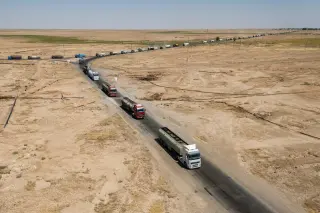
Facing a wartime blockade in the Strait of Hormuz, Syria aims to become a regional energy hub by backing a $5.7 billion pipeline that would move Iraqi oil to the Mediterranean and bypass Hormuz, a plan backed by the U.S. that could diversify global oil routes but faces security risks and regional instability.
The IAEA says Syria attempted to build a nuclear reactor at Deir Az Zor under Bashar al-Assad and failed to report nuclear material and facilities; inspectors found cooling infrastructure consistent with a reactor and about 73 tonnes of natural uranium metal at a newly identified site, with ongoing monitoring under safeguards.
The IAEA reports Syria pursued a covert nuclear program linked to a Deir el-Zour site, identifying three locations functionally connected to it—covering conversion and/or fuel fabrication, temporary storage of construction materials, and planned reprocessing—while also visiting a previously undeclared site that the agency verified contains about 73 tonnes of natural uranium metal, all under containment and surveillance after Syria notified the IAEA and invited verification. The confidential UN-backed findings raise non-proliferation concerns about Damascus, though they do not confirm weaponization, and underscore the need for ongoing agency oversight.