
Denmark Finalizes Arctic Security Pact with US, Ending Trump Sovereignty Standoff
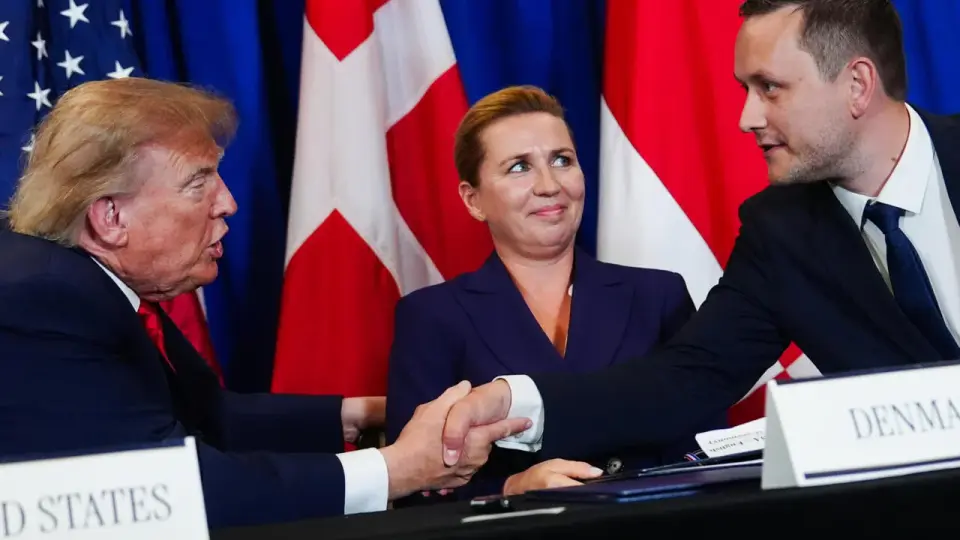
Denmark’s parliament unanimously ratified a trilateral security agreement with the United States and Greenland on November 19, 2026. The deal, signed in September, expands US military access in the Arctic, including a 'Golden Dome' missile defense system, while affirming Danish sovereignty and Greenlandic self-determination. It resolves months of diplomatic tension triggered by President Trump’s threats to seize the mineral-rich island.
Key points
- The Danish Folketing approved the agreement 109-0, with no opposition from any party.
- The deal allows the US to expand its military presence, including new bases at Narsarsuaq and Mestersvig, and modernize Pituffik Space Base.
- It reaffirms Danish sovereignty and Greenlanders’ right to self-determination, even if Greenland eventually seeks independence.
- The agreement is an executive pact, not requiring US Senate approval, and enters into force after formal diplomatic notification.
- It supplements a 1951 defense agreement and restricts military installations on Greenland to NATO members only.
Background
The ratification follows months of intense diplomatic pressure after President Trump repeatedly threatened to take control of Greenland, citing national security concerns. Tensions peaked in January 2026, triggering a crisis within NATO and prompting the EU to rebuke the US. In October, Trump claimed 'massive' oil and mineral exploration would begin in Greenland, but Danish and Greenlandic officials rejected this, noting the September pact grants no resource rights. The current ratification finalizes the process, with Greenland’s parliament having approved the deal earlier this month.
How outlets are covering it
All four sources confirm the unanimous ratification and the core terms of the deal. France 24 and NBC News emphasize the deal’s role in normalizing transatlantic relations and ending a standoff. CNBC highlights the expansion of US military infrastructure, including two new bases and the 'Golden Dome' system. AP News notes the agreement’s alignment with NATO interests and the restriction on non-NATO military installations. A key divergence exists in interpretation: France 24 and NBC News cite University of Copenhagen professor Mikkel Vedby Rasmussen, who warns the deal may give the US greater influence over security and resource decisions, calling it a 'beginning' rather than an end. Conversely, other experts noted by these outlets argue the agreement adds little new US military access, given Greenland’s existing strategic location and the pre-existing 1951 defense pact. No source reports disagreement on the vote count or the reaffirmation of sovereignty.
Why it matters
The ratification resolves a major transatlantic diplomatic crisis that strained NATO and EU-US relations. It establishes a new framework for US military presence in the Arctic, a region of growing strategic importance due to resource competition and geopolitical rivalry with Russia and China. The deal’s emphasis on NATO-only installations may influence future Arctic security policies and resource extraction debates, while the unresolved question of US influence over strategic resources could shape future US-Denmark-Greenland relations.
What to watch
The deal will enter into force once the Danish foreign ministry formally notifies the US that ratification procedures are complete. The US is expected to begin expanding its military infrastructure, including constructing the 'Golden Dome' missile defense system and developing new defense areas. Future negotiations may focus on resource extraction rights, which were not included in the current pact, and the long-term implications of US influence on Greenlandic security and policy decisions.
- Denmark ratifies Greenland security deal after months of pressure by Trump France 24
- Denmark ratifies Trump security deal over Greenland after months of diplomatic tensions CNBC
- Denmark approves security deal with US and Greenland, seeking to finally ease tensions with Trump AP News
- Denmark ratifies Trump deal over Greenland, expanding U.S. military role NBC News
- Danish MPs approve Greenland security pact with US The Guardian
Want the full story? Read the original reporting
Read on France 24