
Diplomatic stalemate in Iran talks raises fears of renewed U.S. combat
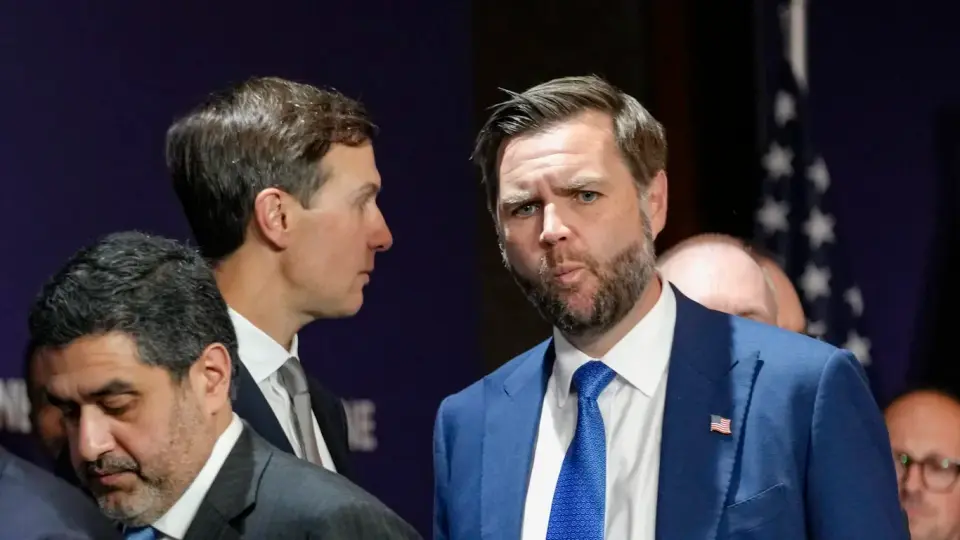
Qatari mediation efforts between the U.S. and Iran have stalled, with both sides refusing to compromise on key demands. While U.S. officials initially signaled flexibility, President Trump rejected a proposal to reopen the Strait of Hormuz, citing unacceptable terms. The impasse has increased the likelihood of renewed military conflict, with Trump hinting at future strikes and Iran accusing the U.S. of being unable to make a decision.
Key points
- Qatari mediator Ali al-Thawadi met with Iranian and U.S. officials this week, but no significant progress was made on a two-page compromise proposal.
- The U.S. demands Iranian nuclear concessions, while Iran insists on lifting the U.S. naval blockade and returning to a June memorandum of understanding.
- President Trump rejected an Iranian proposal to reopen the Strait of Hormuz and restart peace talks, calling it unacceptable.
- U.S. officials believe Trump could order a return to major combat operations after the midterm elections, while Iran's leadership claims Trump is trapped and unable to negotiate or fight.
- The stalemate has fueled concerns about renewed military conflict, with Trump stating 'very soon, you'll see things happening' in Iran.
Background
The current diplomatic impasse follows a period of escalating tensions, including a U.S. naval blockade of the Strait of Hormuz and previous indirect talks during the U.N. General Assembly. Earlier in September, Iran warned of renewed U.S. strikes, and a cargo vessel was struck in the Strait, highlighting the ongoing volatility in the region. The conflict has also impacted global energy markets, with oil prices surging in August due to heightened U.S.-Iran tensions.
How outlets are covering it
Axios reports that Qatari mediators are growing frustrated with both sides, noting that the U.S. believes it is winning and sees no need for compromise, while Iran demands the lifting of the naval blockade. Al Jazeera highlights Trump's recent statement that 'very soon, you'll see things happening' in Iran, alongside the withdrawal of U.S. troops from Iraq, suggesting a shift in U.S. military focus. The Washington Post emphasizes the political dimension, noting that the war is damaging Republican midterm prospects, with Trump rejecting a potential off-ramp to avoid political fallout. Yahoo News reports on a tanker attack in the Strait of Hormuz, underscoring the immediate security risks of the diplomatic failure.
Why it matters
The failure of diplomatic talks increases the risk of renewed military conflict between the U.S. and Iran, which could have significant implications for global energy markets and regional stability. The political pressure on President Trump from the war's impact on fuel prices and public opinion may influence his decision-making in the lead-up to the midterm elections. Additionally, the stalemate could embolden other regional actors, such as the Houthis, to escalate their activities, further destabilizing the Middle East.
What to watch
Qatari mediators will continue to attempt to broker a deal, but both sides remain entrenched in their positions. U.S. officials are expected to monitor the situation closely, with the possibility of renewed military action after the midterm elections. Iran's leadership will likely continue to assert its terms, while the U.S. may use the political pressure from the war to justify a harder stance. Regional mediators, including Pakistan and Egypt, will likely urge Iran to make concessions, but the impasse may persist for the near term.
- U.S.-Iran talks yield little, raising odds of renewed combat Axios
- Iran war live: US response to proposal under review after Qatar mediation Al Jazeera
- Analysis | Trump says he has an off-ramp to his biggest political problem. He refuses to take it. The Washington Post
- Iran live updates: Tehran waiting for US response to 7-point proposal, Araghchi says Yahoo
- Iran says it received US response to latest proposal The Times of Israel
Want the full story? Read the original reporting
Read on Axios