Iran is pushing for a ceasefire with the United States that delivers sanctions relief and regional guarantees while avoiding major concessions on its nuclear program, signaling de-escalation yet maintaining readiness for possible renewed escalation if talks falter and seeks to translate military resilience into strategic gains.
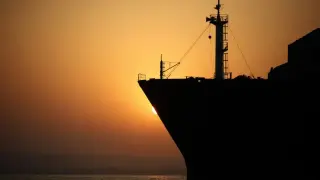
Oil prices slid more than 4% after reports that Iran could restore traffic through the Strait of Hormuz as part of a draft framework with the United States, with WTI around $89.55 and Brent about $95.85. Tehran says traffic could return to pre-war levels within one month of an agreement and that Iran would coordinate Hormuz traffic with Oman while U.S. forces withdraw and the blockade is lifted, but industry veterans warn flows won’t rebound quickly—picking up to about 80% of normal in four months and potentially not until 2027 for full normalization amid ongoing tensions.
The ISW-CTP daily Iran Update highlights a widening gap between the US and Iran over nuclear concessions, noting Iran has not committed to removing its HEU stockpile or ending enrichment as talks continue with mediators seeking sanctions relief in exchange for guarantees; President Trump insists any deal must be “great and meaningful” and rejects the JCPOA. Iran maintains a contested claim to the Strait of Hormuz as territorial waters and seeks to rebrand tolls as fees, a stance US officials oppose. Saudi media floated a phased MOU on ceasefire and navigation restoration, but Tehran and IRGC outlets dispute the terms. On the battlefield, Hezbollah is using rudimentary FPV drone “swarm” tactics with multiple drones, likely to be refined. Iran’s domestic internet shutdown order remains under SNSC review, while Iraq’s PMF-disarmament debates reflect ongoing US pressure to curb Iranian influence in the region.
U.S. defense strikes on Iranian missile sites drew Iran’s condemnation and injected fresh doubt into stalled negotiations over a ceasefire and reopening the Strait of Hormuz, with progress on a potential Iran deal remaining murky even as Trump’s health update and other domestic political headlines run concurrently.
A plan to open the Strait of Hormuz roughly 30 days after a potential U.S.-Iran deal to end hostilities is being discussed, according to a Middle East diplomatic source cited by Nikkei.
An Arab News op-ed argues the US should rely on Gulf partners—Qatar, Saudi Arabia, and the UAE—to shape a negotiated Iran endgame rather than pursuing another broader war. Gulf states share Washington’s aim to contain Tehran while avoiding a regional or global crisis, with Saudi Arabia resisting war, backing Pakistan-led talks, and calling for the Strait of Hormuz to reopen. Despite Iran’s attacks, Gulf leaders question the proportionality of further strikes and favor diplomacy and new regional security architectures that could yield a deal to end the conflict without further bloodshed.
Pakistan-led talks between the US and Iran hinge on two sticking points: control of the Hormuz Strait and Tehran’s stockpile of highly enriched uranium, with Iran demanding a permanent ceasefire and sanctions relief while proposing a Gulf-wide Strait Authority to manage transit; Gulf states warn against Iran’s toll-based routing, Washington presses Tehran to export the stockpile, and regional players including China and Russia are floated as mediators or backstops as broader tensions and oil-price considerations shape the diplomacy.
An Iranian military source tells RIA Novosti that Tehran has modern domestically built weapons not yet used or tested and would not restrain itself if the United States resumes attacks, amid ongoing US–Iran diplomacy and regional tension.
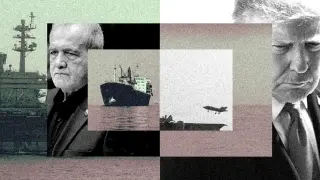
Trump has floated a sequence of deadlines and pauses, threatening attacks to force Iran to open the Strait of Hormuz and surrender enriched uranium, but repeatedly postponing or canceling strikes as negotiations progress; the 12-week war continues, with allies urging a deal, while domestic inflation climbs as fuel costs surge from Hormuz disruptions.
Iran says it's working with Oman on a mechanism to guarantee safe transit through the Strait of Hormuz via a new Persian Gulf Strait Authority, potentially licensing passage and charging fees; Tehran warns ships need its permission as diplomacy with the U.S. stalls, while Trump pressures for a peace deal and markets react with higher oil prices and slipping stocks amid renewed escalation fears, including a drone strike on the UAE’s Barakah plant and continuing Pakistani-mediated talks.
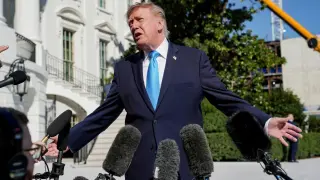
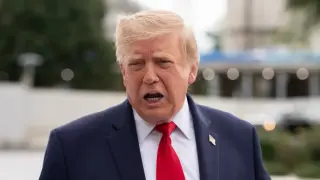
President Trump warned Iran that the 'clock is ticking' as talks to end the war stall, signaling a potential impasse as Tehran's counter-offers clash with Washington's concessions during a fragile ceasefire and ongoing regional tensions.
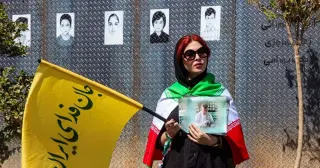
Iran is pressing for formal sovereignty over the Strait of Hormuz, framing control of the waterway as its primary deterrent and warning that recognition would disrupt global shipping. The ISW-CTP update cites preparatory moves suggesting a renewed confrontation, including an IRGC infiltration attempt on Bubiyan Island, Mahshahr Port drills, and Iranian aircraft repositioning to Pakistan/Afghanistan to shield assets. Negotiations, if resumed, reportedly hinge on five preconditions: a complete end to the war on all fronts, sanctions relief, unfrozen assets, compensation, and formal recognition of Hormuz rights. The United States and allies continue pressure to safeguard shipping, with covert strikes by the UAE and Saudi Arabia reportedly occurring against Iran, while Iran consolidates internal power around the IRGC. The report also notes Israel’s FPV drone countermeasures, Hezbollah activity near Lebanon, and Iraqi PMF efforts framed as sovereignty signaling, painting a volatile, pre-war landscape ahead of potential renewed conflict.
Diplomacy between the US and Iran stalls, leaving Trump with a tight set of bad options: escalate military pressure, accept concessions on Tehran’s nuclear program, or strike a fragile deal that still leaves Iran’s leverage over the Strait of Hormuz intact; Tehran demands sanctions relief and recognition of its influence in the waterway and refuses to dismantle its nuclear program, while domestic politics and rising energy costs complicate any path forward.
ISW/CTP provide daily updates on US/Israeli strikes on Iran and Iran’s responses. On May 10, Iran’s counterproposal reportedly calls for ending the war, a gradual opening of the Strait of Hormuz, and lifting the US naval blockade, with roughly 30 days of nuclear-negotiations and HEU stockpile adjustments, while Iran seeks guarantees to retrieve HEU if talks fail. Trump has called the proposal “totally unacceptable.” Iran is believed to have attacked a commercial vessel and Gulf states to keep oil prices high and pressure the US, and to push for sanctions relief and tolls in the Strait of Hormuz. The regime has publicly highlighted meetings involving Supreme Leader Mojtaba Khamenei to project decisive leadership amid reports of marginalization. The update also notes an Israeli clandestine outpost in the Iraqi desert supporting the war effort and related Iraqi militia dynamics and discussions on disarmament, with no major new US-Israeli campaigns reported.
Iran has sent its response to a U.S. proposal to end the war through Pakistan, with the first stage of talks aimed at halting hostilities. Pakistan has confirmed receipt and will relay the response to Washington, though no U.S. reaction is reported yet.