
IAEA flags 'proliferation concern' as Trump rejects Iran deal amid drone clashes
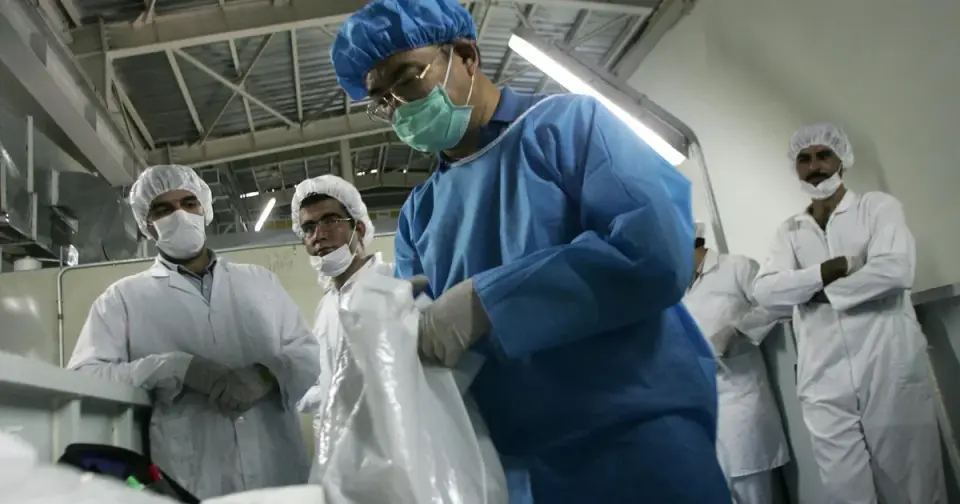
The UN nuclear watchdog expressed 'increasingly concerned' status regarding its inability to inspect an underground uranium facility in Isfahan, Iran, which Tehran has refused to open since June 2025 strikes. President Trump declared a diplomatic deal unnecessary, directing Vice President JD Vance to focus on domestic fraud investigations instead. Meanwhile, Iran claimed to have shot down a US MQ-1 Predator drone and struck a radar station in Bahrain, while the International Energy Agency reported oil supplies are finally surpassing demand for the first time since the war began.
Key points
- IAEA cannot verify the location or status of the Isfahan Fuel Enrichment Plant (IFEP), citing 'proliferation concern' and lack of access since February.
- Trump stated 'we don't need a deal with Iran,' claiming the US has secured 'hundreds of billions' in economic leverage and control of the Strait of Hormuz.
- Iran’s Revolutionary Guard claimed to have destroyed a US early-warning radar in Bahrain, though US Central Command denied damage, stating two drones were intercepted.
- Iran claimed to shoot down a US MQ-1 Predator drone near Kuhestak, though the US military did not confirm the loss.
- The IEA reported global oil supplies surpassed demand in October for the first time since the war began, with Gulf exports recovering to 82% of pre-war levels.
Background
This development follows an eight-month conflict that began in late February 2026. In June 2025, US and Israeli strikes damaged Iranian nuclear sites, including Isfahan, leading Iran to suspend cooperation with the IAEA. Recent diplomatic efforts, including a Qatari-mediated proposal to swap sanctions relief for inspections, have stalled. Trump previously suggested the war was 'militarily over' but has maintained a naval blockade and economic pressure campaign known as 'Operation Economic Outcast.'
How outlets are covering it
While CBS and Bloomberg emphasize the diplomatic deadlock and Trump’s rejection of negotiations, Al Jazeera highlights the IAEA’s urgent call for inspections, noting Iran blames US threats for the impasse. The BBC provides historical context on Iran’s pre-war uranium stockpile of 441kg enriched to 60%. On the military front, Iranian state media claimed significant successes against US assets in Bahrain and the Strait of Hormuz, but the US military disputed the damage claims, asserting that drones were intercepted and no injuries occurred. The IEA offered a contrasting economic view, noting that despite continued tanker attacks, oil markets are rebalancing due to recovered Gulf exports.
Why it matters
The inability to inspect the Isfahan facility creates a critical gap in global nuclear non-proliferation monitoring, leaving the status of Iran’s near-weapons-grade uranium stockpile unknown. Trump’s refusal to negotiate signals a shift from diplomatic resolution to sustained economic and military pressure, potentially prolonging the conflict. The IEA’s report on oil supply surplus offers temporary relief to global energy markets, but the ongoing threats to maritime security in the Strait of Hormuz remain a significant risk for sustained recovery.
What to watch
The IAEA has stated it is 'fully prepared' to resume inspections if Iran permits access, but Tehran has refused until US threats cease. Trump has directed Vance to focus on domestic issues, effectively pausing direct negotiations. The US military continues to facilitate ship-to-ship transfers in the Gulf of Oman to protect oil flows, while Iran maintains its stance that it will not remove enriched material from the country. The IEA expects the global oil market to return to a surplus in the fourth quarter of 2026, contingent on maritime security stabilizing.
- Live Updates: U.N. agency pushes for access to key Iran nuclear site as Trump says deal to end war unnecessary CBS News
- IAEA increasingly concerned about Iranian enrichment plant, its report says Reuters
- UN watchdog 'increasingly concerned' over uninspected Iran nuclear site BBC
- UN watchdog calls on Iran to reopen nuclear facilities to inspection Al Jazeera
- Iran Extends Blackout of Nuclear Work With US War Deadlocked Bloomberg.com
Want the full story? Read the original reporting
Read on CBS News