
Israel and US voters face intertwined fates over Iran war and economy
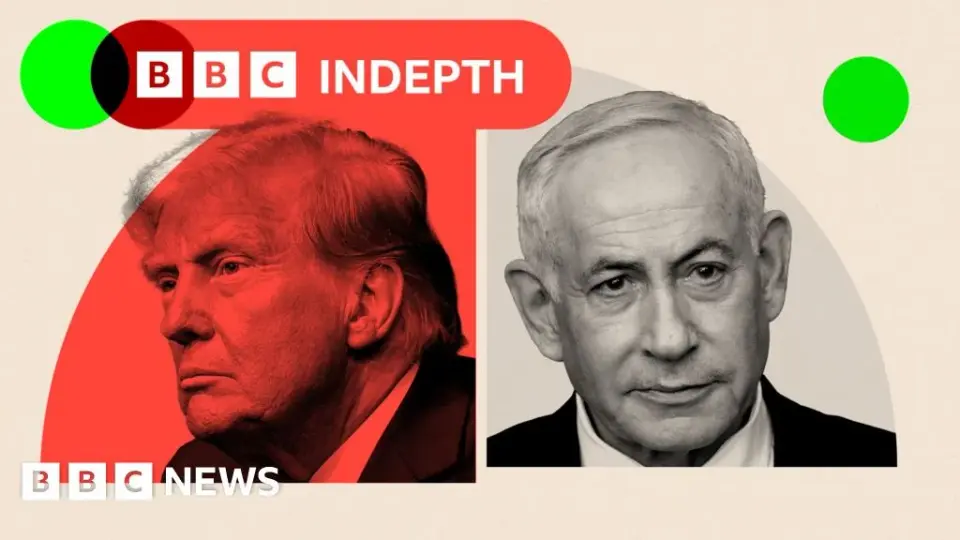
Israel and the United States are holding elections within a week of each other, with outcomes deeply linked by the ongoing war with Iran and global economic pressures. Israeli voters choose a new parliament on Tuesday, while US voters elect a new Congress a week later. Both campaigns are dominated by concerns over energy prices, security, and the potential for renewed military strikes against Iran. Approximately 500,000 dual citizens can vote in both polls, potentially influencing tight US races like the Michigan Senate contest. The elections could reshape US-Israel relations and global energy markets, as leaders weigh the risks of further conflict against domestic economic struggles.
Key points
- Israel holds parliamentary elections on Tuesday, with the US midterms following one week later.
- The US-Israel war on Iran, which began in February, has failed to overthrow the regime and has disrupted energy flows through the Strait of Hormuz.
- Approximately 500,000 Israelis with US passports can vote in both elections, potentially impacting tight US races such as the Michigan Senate contest.
- US President Donald Trump has endorsed Israeli Prime Minister Benjamin Netanyahu, suggesting both leaders should 'finish the job' in Iran, but has also restrained Netanyahu from attacking before US polling day to avoid energy price spikes.
- Israeli opposition leader Gadi Eisenkot has ruled out joining a unity government with Netanyahu, warning against escalating the war for political purposes.
- US Democratic candidates, such as Abdul El-Sayed in Michigan, are campaigning on cutting military aid to Israel, reflecting fractured bipartisan support for the conflict.
Background
The current elections follow a period of intense conflict, including the US-Israel war on Iran that began in February 2026, which destroyed many military targets but failed to overthrow the Iranian regime. The war has led to significant economic disruptions, including the seizure of the Strait of Hormuz and soaring energy prices. In the US, traditional bipartisan support for Israel has fractured, with some Democrats campaigning against military aid to Israel. In Israel, the 7 October Hamas-led attacks have damaged Netanyahu's reputation as a security leader, and he faces potential legal proceedings if he loses power. The archive notes previous tensions over the portrayal of the Gaza war and allegations of US embassy aides suppressing reports on Israeli actions, highlighting ongoing disputes over US-Israel relations.
How outlets are covering it
The BBC emphasizes the global consequences of the elections, particularly regarding the Iran war and the global economy, noting that Trump may be more willing to attack Iran after the midterms if unconstrained electorally. Vox highlights that while Israel was prominent in US midterm primaries, it is less prominent now, with voters' top priorities being affordability and cost of living. Jewish Insider focuses on US critics of Israel, noting that anti-Israel activists are preparing to oppose any Israeli government regardless of the election outcome, and reports on the Bank of Israel's rejection of Netanyahu's cryptocurrency proposal. The outlets differ in their emphasis: the BBC focuses on the strategic and economic implications, Vox on the shifting priorities of US voters, and Jewish Insider on the political opposition to Israel in the US.
Why it matters
The outcomes of these elections will shape the future of US-Israel relations, the course of the Iran war, and global energy markets. A change in the Israeli government could lead to a new relationship with an outgoing US president, while a Democratic Congress might check US support for Israel. The potential for renewed military strikes against Iran could plunge the Middle East into fresh chaos and impact the global economy. The elections also reflect broader shifts in public opinion on the conflict, with some US voters prioritizing economic concerns over foreign policy.
What to watch
Israelis will vote on Tuesday to elect a new parliament, with the US midterms following one week later. The outcomes will determine the future of US-Israel relations and the potential for renewed military action against Iran. If Netanyahu loses power, he may face legal proceedings, and a new Israeli leader will need to forge a new relationship with the US. If Democrats gain greater control in Congress, they may use their powers to restrain military spending and cut aid to Israel. The potential for post-electoral strikes against Iran could lead to further regional instability and economic disruptions.
- Israelis and Americans are both voting - with global consequences BBC
- Opinion | The World Has Changed. So Must Our Approach to Israel. The New York Times
- 2026 midterms: Would a Democratic Congress change course on Israel? Vox
- Bibi or no Bibi, Israel’s critics vow not to budge Jewish Insider
- Beyond the Ballot Box: Israel’s Strategic Future The Times of Israel
Want the full story? Read the original reporting
Read on BBC