
Maduro and Wife Plead Not Guilty to US Torture Charges in New York
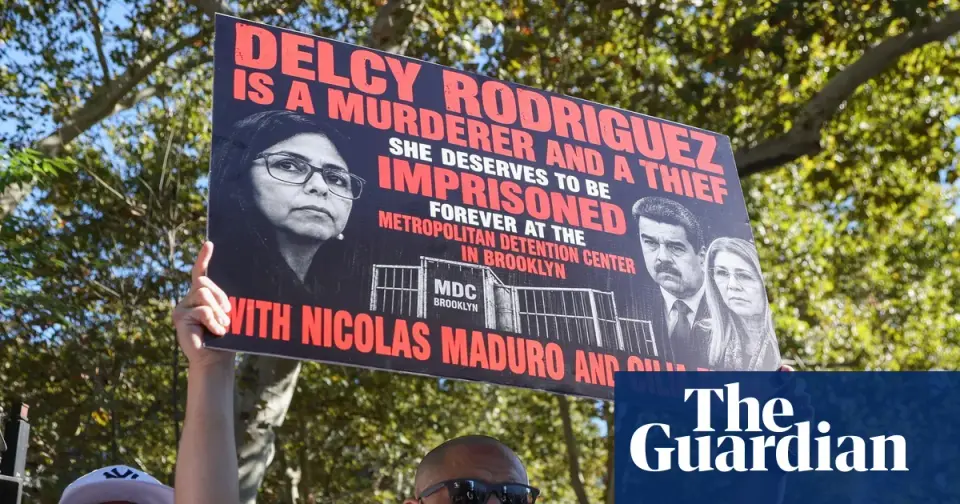
Former Venezuelan President Nicolas Maduro and his wife, Cilia Flores, pleaded not guilty to new US charges alleging they orchestrated a state-sponsored torture system. The couple, detained in New York since a January 2026 military raid, faced a superseding indictment that adds conspiracy to commit torture to existing drug trafficking counts. Judge Alvin Hellerstein entered the pleas after Maduro repeatedly interrupted proceedings to deny the accusations as 'false.' The trial has been delayed to June 2027, with defense attorneys continuing to assert sovereign immunity while prosecutors detail alleged methods including electric shock and asphyxiation.
Key points
- Maduro and Flores pleaded not guilty to new conspiracy-to-commit-torture charges in a New York federal court on October 15, 2026.
- The superseding indictment alleges Maduro oversaw a violent repression system that tortured scores of victims, including three Americans, using methods such as electric shock, asphyxiation, and psychological torture.
- Judge Alvin Hellerstein entered the not-guilty pleas on behalf of both defendants after Maduro repeatedly interrupted the judge to criticize the indictment as containing 'false accusations and false testimony.'
- The trial date has been moved from June 1 to June 14, 2027, at the request of both prosecution and defense attorneys.
- Defense lawyers maintain that Maduro and Flores qualify for sovereign immunity as former heads of state, while prosecutors argue they are rogue officials with no such protection.
- Maduro, 63, and Flores, 70, were captured in a US military raid in Caracas in January 2026 and remain in custody in Brooklyn, where they have reportedly lost weight during detention.
Background
This development follows the unsealing of a superseding indictment in early October 2026, which added torture charges to the existing drug trafficking case against Maduro and Flores. The couple had previously pleaded not guilty to narco-terrorism and drug trafficking charges, with their defense team arguing the case should be dismissed on immunity grounds. Maduro had been under investigation by the International Criminal Court for crimes against humanity related to his crackdown on opponents since taking power in 2013. The new charges allege a state-sponsored system of repression stretching back to his ascent to power, including the torture of specific individuals and US citizens.
How outlets are covering it
The Guardian emphasizes Maduro's active resistance to the proceedings, noting he spoke through an interpreter and twice criticized the indictment before Judge Hellerstein entered the plea on his behalf. The outlet highlights the rarity of prosecuting foreign officials in the US, citing previous cases involving the son of Liberian president Charles Taylor and Russians responsible for war crimes in Ukraine. BBC focuses on the broader context of the case, noting that the couple has pleaded not guilty to all allegations and argued for dismissal on sovereign immunity grounds. The outlet also mentions Flores' unsuccessful petition for release on bond due to health issues. Politico provides a concise summary of the arraignment, noting the couple appeared in tan prison garb with shackled ankles, and confirms the trial delay to June 2027. All three outlets agree on the core facts of the not-guilty plea and the new torture charges, but differ in emphasis: The Guardian focuses on the courtroom dynamics and legal rarity, BBC on the broader legal and humanitarian context, and Politico on the procedural details of the arraignment.
Why it matters
The case represents a significant test of US jurisdiction over foreign officials accused of human rights abuses, with implications for international law and sovereign immunity. The torture charges, if proven, could establish a precedent for holding former heads of state accountable for state-sponsored repression in US courts. The case also highlights the ongoing tensions between the US and Venezuela, with Maduro's defense team arguing the charges are a tool to further 'imperial' plans for access to Venezuela's oil reserves. The outcome could influence future prosecutions of foreign leaders and the application of international law in US courts.
What to watch
The trial is scheduled for June 14, 2027, with both sides agreeing to the delay. Defense attorneys will likely continue to argue for dismissal on sovereign immunity grounds, while prosecutors will present evidence of the alleged torture system. The case may also face legal challenges regarding the legality of the US military raid that captured Maduro and Flores in January 2026. International observers will watch the case closely as a test of US jurisdiction over foreign officials and the application of international law in US courts.
- Nicolás Maduro tells New York court new torture allegations are ‘false’ The Guardian
- Maduro pleads not guilty to additional charges in New York BBC
- Ex-Venezuelan President Nicolás Maduro is returning to federal court to face torture allegations ABC News - Breaking News, Latest News and Videos
- Maduro Says New US Torture Allegations Are ‘False Accusations’ Bloomberg.com
- Maduro pleads not guilty on torture charge Politico
Want the full story? Read the original reporting
Read on The Guardian