
Oleshky Ceasefire Holds as Nordic Leaders Engage Putin Amidst Continued Russian Strikes
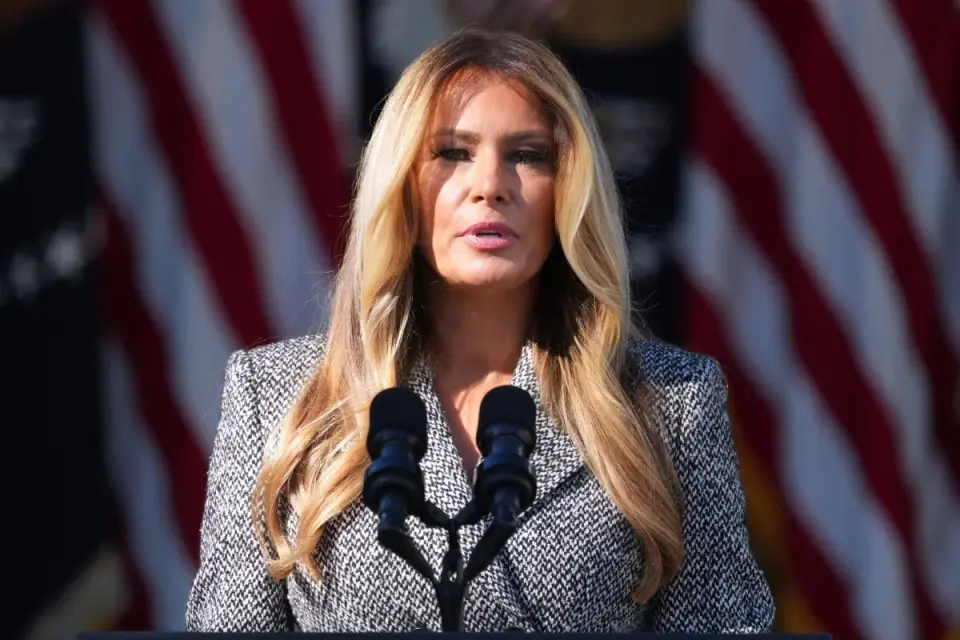
A localized ceasefire in the Russian-occupied city of Oleshky took effect on October 27, brokered by U.S. First Lady Melania Trump to facilitate humanitarian aid and evacuations. While the truce held in the Kherson region, Russia continued missile attacks elsewhere, killing at least three civilians. Nordic leaders held rare direct talks with Vladimir Putin ahead of upcoming peace negotiations in Abu Dhabi.
Key points
- The ceasefire began at 3 a.m. on October 27, expanding beyond Oleshky to the wider Kherson region to allow safe passage for aid convoys.
- Approximately 1,700 to 2,000 people remain trapped in Oleshky, facing severe shortages of food, water, and electricity since the 2023 dam collapse.
- Evacuations are planned for Friday, with residents expressing fear that Russian authorities may screen them for pro-Ukrainian ties before allowing departure.
- Finland’s President Alexander Stubb and Norway’s Prime Minister Jonas Gahr Støre held a 90-minute phone call with Vladimir Putin, described as 'frank and substantive.'
- Russian ballistic missiles struck Kyiv and Kharkiv shortly after the ceasefire began, killing at least three people and injuring others, highlighting that the truce is strictly localized.
Background
Previous coverage from October 23 indicated that the ceasefire was initially scheduled for October 29 but was brought forward by two days to address an urgent humanitarian crisis. Earlier reports noted tensions between the White House and the Vatican over credit for brokering the deal, with Pope Leo XIV also urging both sides to allow aid. The current situation follows months of stalled peace efforts and rising tensions between Washington and Kyiv over military aid and satellite access.
How outlets are covering it
AP and ABC News emphasize the role of Melania Trump in brokering the deal and highlight the contrast between the local truce and continued Russian missile strikes on Kyiv. BBC and The Guardian focus on the humanitarian desperation in Oleshky, noting residents have been eating weeds to survive, and detail the expanded scope of the ceasefire. The Guardian and BBC also highlight the diplomatic significance of the Nordic leaders' call with Putin, noting European divisions over direct engagement with Moscow. All sources agree that the ceasefire is a high-stakes operation amid deep mistrust between Russia and Ukraine.
Why it matters
The Oleshky ceasefire represents a rare, albeit limited, de-escalation in a four-and-a-half-year war, potentially paving the way for broader peace negotiations in Abu Dhabi next month. However, the continued Russian attacks on other Ukrainian cities and the strict conditions of the local truce underscore the fragility of any diplomatic progress. The involvement of Nordic leaders in direct talks with Putin signals a shift in European diplomatic strategy, though skepticism remains about Russia's willingness to compromise.
What to watch
Humanitarian aid is expected to be delivered to Oleshky by Thursday, followed by evacuations on Friday. The ceasefire is scheduled to last until 10:59 p.m. on November 1. Trilateral talks involving Russia, Ukraine, and the United States are expected to take place in Abu Dhabi next month to lay the groundwork for detailed peace negotiations.
- Localized Ukraine ceasefire brokered by Melania Trump starts as Nordic leaders speak to Putin AP News
- Ceasefire extended across Ukraine's Kherson region, officials say BBC
- US-brokered truce appears to hold in Ukrainian town close to starvation Reuters
- Oleshky truce appears to hold as two European leaders have ‘frank’ call with Putin The Guardian
- Local ceasefire brokered by Melania Trump starts in southern Ukraine as Russia attacks other areas ABC News - Breaking News, Latest News and Videos
Want the full story? Read the original reporting
Read on AP News