
Trump Rejects Iran’s Hormuz Deal as Rial Hits Record Low and UK Probes Terror Plot
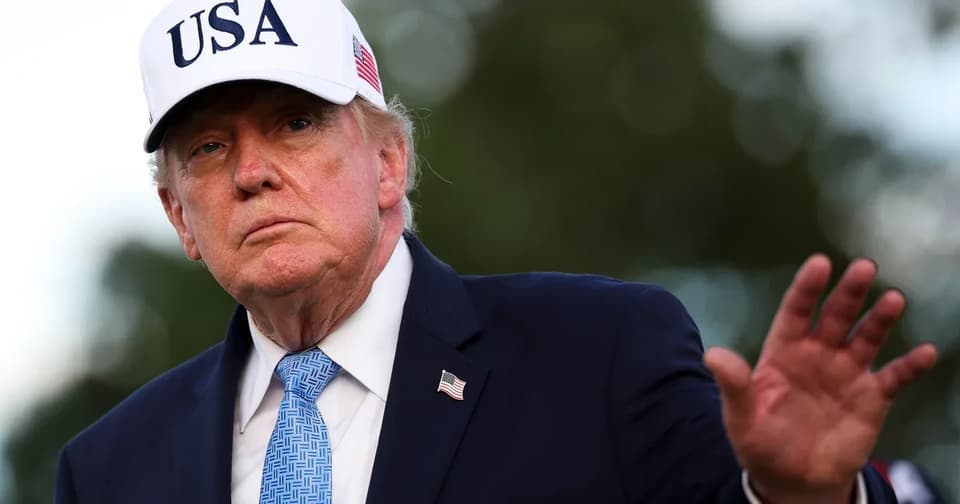
President Trump rejected Iran’s proposal to reopen the Strait of Hormuz, citing demands for upfront sanctions relief, while Iranian officials maintain readiness for both diplomacy and renewed conflict. The rial hit a record low against the dollar, and Saudi Arabia resumed oil exports via its East-West pipeline after drone strikes. A U.K. police investigation into a potential terrorist plot at RAF Fairford, used by U.S. bombers, adds to regional tensions.
Key points
- Trump dismissed Iran’s seven-day plan to reopen the Strait of Hormuz, stating it offered terms he would have accepted a year ago but not now, and asserted the U.S. is 'winning tremendously.'
- Iranian Foreign Minister Abbas Araghchi stated Tehran is prepared for either diplomacy or a return to fighting, placing the choice with the U.S. president, while Iranian state media confirmed no direct talks are planned at the U.N. this week.
- The Iranian rial fell to an all-time low of 2.4 million per dollar, amid 61.4% annual inflation and a 128% rise in food prices, according to Iran’s Statistical Center.
- Saudi Arabia resumed oil exports through its East-West pipeline after drone strikes earlier this month, a route vital for bypassing the disrupted Strait of Hormuz, according to Bloomberg.
- U.K. police arrested five men near RAF Fairford on suspicion of a terrorist plot involving three trucks, with authorities investigating possible links to Iran, which has declared U.S. bases as legitimate targets.
Background
The U.S.-Iran conflict began in February 2026 with joint U.S.-Israeli strikes, leading to a blockade of the Strait of Hormuz and a series of shifting truces and negotiations. Previous coverage noted Trump’s oscillating strategy between military pressure and diplomatic overtures, with Iran’s economy deteriorating under sanctions and a plunging currency. The current standoff follows a rejected proposal that aimed to reopen the strait in exchange for sanctions relief and the release of frozen assets.
How outlets are covering it
Outlets diverge on the nature of Iran’s proposal. Politico reports that U.S. Ambassador Mike Waltz characterized the offer as 'cynical,' claiming Iran demanded sanctions relief and access to frozen assets before negotiating, while Iranian Foreign Minister Abbas Araghchi disputed this, stating the U.S. had not read the full proposal. CBS News highlights Trump’s assertion that Iran is 'losing badly' and his expectation of resumed talks, whereas The Washington Post frames the rejection as Trump refusing a political 'off-ramp' amid midterm election pressures. All sources agree on the immediate economic impact, including the rial’s record low and Saudi Arabia’s pipeline resumption, but differ on the likelihood of near-term negotiations versus renewed military escalation.
Why it matters
The rejection of the Hormuz deal risks prolonging a conflict that has destabilized global energy markets and strained U.S. domestic politics. The rial’s collapse and soaring inflation in Iran signal deepening economic strain, while the U.K. terror plot investigation underscores the conflict’s potential to trigger broader regional violence. With both sides signaling readiness for war or diplomacy, the next few weeks could determine whether the conflict escalates or de-escalates, with significant implications for global oil prices and U.S. midterm elections.
What to watch
Iran’s U.N. delegation is set to return to Tehran on Tuesday, with no direct talks planned this week. Trump has indicated he expects negotiations to resume, though he has not confirmed a timeline, and has kept the option of resuming strikes on the table. Saudi Arabia’s resumption of oil exports via the East-West pipeline may ease some pressure on global supply, but the Strait of Hormuz remains partially closed. U.K. authorities will continue investigating the RAF Fairford arrests, potentially linking them to Iran. The next 48 hours will likely see further diplomatic maneuvering through Qatari mediators, with both sides assessing whether to pursue talks or escalate military actions.
- Live Updates: Iran says Trump must choose between war or diplomacy as talks expected to resume this week CBS News
- Iran Is Pressed to Make Nuclear Concessions to Revive Peace Talks With U.S. WSJ
- Waltz says Iran wanted sanctions relief up front in rejected deal; Tehran pushes back Politico
- Analysis | Trump says he has an off-ramp to his biggest political problem. He refuses to take it. The Washington Post
- Iran insists on diplomatic solution after Trump rejects peace plan Reuters
Want the full story? Read the original reporting
Read on CBS News