
US Imposes Visa Bans on South Africans Over Disputed 'White Genocide' Claims
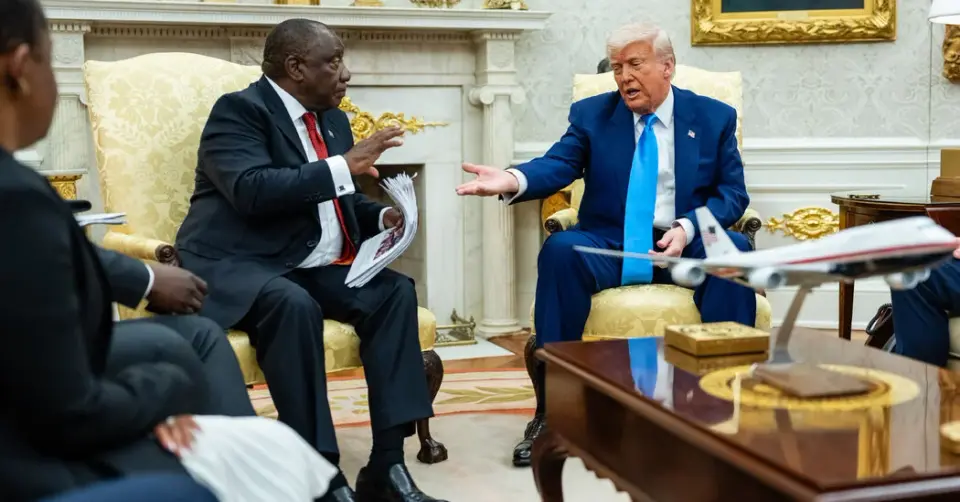
The Trump administration has imposed visa restrictions on selected South Africans, citing alleged discrimination against white people and Afrikaners. Secretary of State Marco Rubio warned of further punitive measures if Pretoria does not change its policies, including land expropriation laws and affirmative action. South African President Cyril Ramaphosa has condemned the move as racist, while the US State Department maintains that its actions are necessary to uphold the rule of law.
Key points
- The US State Department announced new visa restrictions targeting South Africans deemed responsible for or complicit in policies that allow uncompensated land seizures and race-based discrimination.
- Secretary of State Marco Rubio stated that the United States will not allow such behavior to go unchecked, describing the visa ban as the first step in a series of escalatory measures.
- South African President Cyril Ramaphosa has called the US policies racist, while the South African foreign ministry described the allegations as baseless and a result of misinformation from fringe groups.
- The restrictions follow previous US sanctions, including barring South African officials from G20 meetings and phasing out HIV treatment aid, as well as a refugee program for Afrikaners that has seen mixed results.
- The US cites a contentious South African law allowing expropriation of unused private land without compensation, affirmative action policies, and violent crimes against white farmers as evidence of an anti-white stance.
Background
This development is part of a broader pattern of US-South Africa tensions under the Trump administration, which has previously imposed sanctions over alleged anti-white and anti-American policies. In February 2025, Trump announced a refugee program for Afrikaners, claiming they were victims of a 'white genocide' in South Africa, a claim widely acknowledged as false. The first group of 68 white South Africans arrived in the US in May 2025, but recent rejections of refugee applications have left many applicants dismayed. The US has also criticized South Africa's move to accuse Israel of genocide against Palestinians in the International Court of Justice.
How outlets are covering it
The New York Times and CBS News emphasize the US government's stance, highlighting Secretary of State Marco Rubio's warnings of further punitive actions and the administration's focus on alleged discrimination against white South Africans. The South African government, as reported by The Guardian and CBS News, strongly rejects these allegations, calling them baseless and racist. The Guardian provides additional context on the refugee program, noting that dozens of applicants have been rejected, with some citing criminal histories or other issues, despite the US's initial claims of a humanitarian emergency for Afrikaners. The sources differ in their emphasis: The New York Times and CBS News focus on the political and diplomatic aspects, while The Guardian highlights the human impact on individual applicants.
Why it matters
The visa restrictions signal a significant escalation in US-South Africa relations, potentially affecting diplomatic ties and economic cooperation. The move also underscores the US administration's focus on racial issues in foreign policy, which could have broader implications for international relations and perceptions of US foreign policy. For South Africa, the sanctions and visa bans could impact its economy and international standing, while for the US, they reflect a continued effort to address what it perceives as human rights violations abroad.
What to watch
The US has warned of further punitive actions if South Africa does not address its concerns. South Africa is expected to continue rejecting the allegations and may seek diplomatic channels to resolve the dispute. The refugee program for Afrikaners may see further rejections or adjustments, depending on the US government's review process. The situation could also influence broader US-African Union relations and other international engagements.
- Trump Bars Some South Africans Over Claims of Anti-White Discrimination nytimes.com
- U.S. slaps South Africa with new sanctions due to alleged discrimination against White people cbsnews.com
- South Africa says U.S. misrepresented its policies after visa curbs yahoo.com
- ‘I believed the hype’: the white South Africans denied refugee status in the US The Guardian
- Trump administration hits South Africa with new sanctions over alleged discrimination against whites WTOP News
Want the full story? Read the original reporting
Read on nytimes.com