
Trump Vows Swift End to Iran War as Tehran Escalates Hormuz Attacks
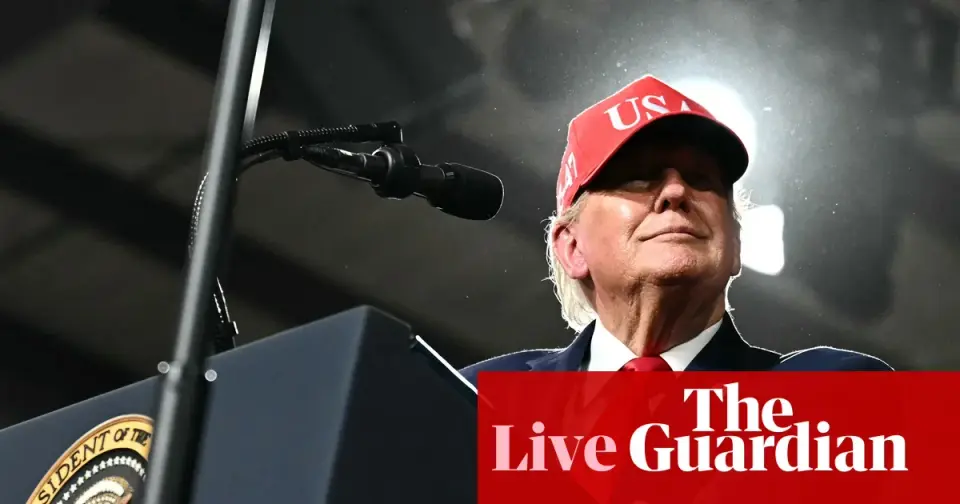
President Donald Trump claimed the war with Iran will end 'very soon' and that oil prices will plummet, a statement made as Iranian officials confirmed new tactics targeting shipping in the Strait of Hormuz to keep energy costs high ahead of the US midterm elections. While Trump threatened further military action, he also suggested the conflict might pause until after the November vote. Meanwhile, a Harris poll indicates three in four Americans are concerned about a recession, highlighting the economic pressure influencing the election.
Key points
- Trump stated the Iran war will end 'very soon' and that oil prices will 'drop like a rock,' though he previously suggested no strikes would occur before the midterms.
- Iranian officials confirmed Tehran is using new offensive tactics against ships in the Strait of Hormuz to keep oil prices high and influence the US vote.
- A Harris poll for the Guardian found that three in four Americans are concerned about a potential recession, linking economic anxiety to voter sentiment.
- Trump threatened to 'hit Iran hard' at a rally in Alaska, accusing Iran of being a bully in the Middle East, while claiming Iran was two weeks away from a nuclear weapon.
- Iranian President Pezeshkian stated the country faces its most severe pressure since 1979, citing attacks on energy infrastructure and maritime restrictions.
Background
This development follows Trump’s September claim that the Iran war would end immediately after the midterms, a prediction that has not materialized as the conflict enters its seventh month. Recent archive coverage notes that Trump has frequently tied the war’s resolution to the election, while fact-checkers have debunked his economic claims at Republican rallies. The current situation reflects a continued pattern of using the Iran conflict as a political lever during the 2026 midterm campaign.
How outlets are covering it
The Guardian emphasizes the domestic political impact, noting that Trump’s renewed messaging on Iran is a response to economic uncertainty and voter disenchantment, as evidenced by a Harris poll showing high recession anxiety. The Jerusalem Post focuses on the military and strategic dimension, highlighting Trump’s threats to 'hit Iran hard' and detailing Iran’s deliberate strategy to disrupt shipping in the Strait of Hormuz to keep oil prices elevated. Iran International provides the Iranian perspective, with President Pezeshkian describing the current situation as the most severe pressure since the 1979 revolution, while also noting internal debates over the Nuclear Non-Proliferation Treaty and the lack of international support for Iran’s nuclear facilities. The outlets differ in their framing: The Guardian views the conflict through the lens of US domestic politics, the Jerusalem Post through the lens of military escalation and energy markets, and Iran International through the lens of national survival and diplomatic isolation.
Why it matters
The intersection of the Iran war, oil prices, and the US midterm elections creates a volatile political environment where foreign policy decisions are directly tied to domestic economic outcomes. Trump’s shifting statements on the war’s end suggest an attempt to manage voter perception of economic hardship, while Iran’s strategic use of the Strait of Hormuz aims to leverage global energy markets to influence the US vote. The high level of recession anxiety among Americans, as per the Harris poll, indicates that the conflict’s economic fallout is a central issue for voters, potentially determining the outcome of the midterms and the future of US-Iran relations.
What to watch
Watch for any further military strikes by the US or Israel against Iran, as Trump has left the possibility open despite earlier suggestions of a pause until after the midterms. Monitor oil prices and shipping traffic in the Strait of Hormuz for signs of escalation or de-escalation. Follow the Harris poll and other economic indicators to gauge the impact of the conflict on voter sentiment. Observe Iran’s diplomatic moves, including Pezeshkian’s upcoming visit to Armenia and the ongoing debate over the Nuclear Non-Proliferation Treaty. Track the US administration’s response to Iran’s maritime restrictions and any potential negotiations or further threats from Washington.
- Donald Trump claims ‘Iran war will end very soon’ as midterm rallies heat up – US politics live The Guardian
- Trump on Iran talks: ‘I don’t know who the hell we’re negotiating with’ The Hill
- Live - US weighs using ‘mother of all bombs’ against Iran - CNN Iran International
- Trump jokes that he took out too many of Iran’s leaders during recent war The Times of Israel
- 'We're going to hit them hard': Trump threatens Iran as Tehran escalates shipping attacks The Jerusalem Post
Want the full story? Read the original reporting
Read on The Guardian