
Trump’s 'Energy Ceasefire' Collapses as Russian Strikes Kill in Kyiv
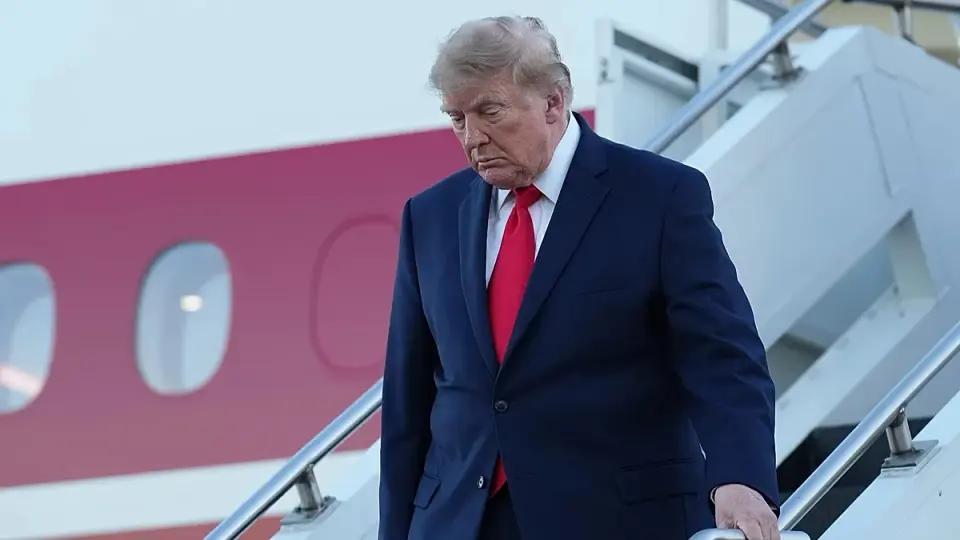
President Donald Trump insisted on October 12 that a mutual energy ceasefire between Russia and Ukraine was in effect, despite ongoing Russian strikes on Ukrainian infrastructure. A drone attack on a residential building in Kyiv’s Darnytskyi district killed one woman and injured at least five others. Ukrainian President Volodymyr Zelenskyy stated that Moscow continued targeting energy sites, while Kremlin spokesman Dmitry Peskov declined to confirm the agreement, stating only that 'contacts are ongoing.'
Key points
- Trump claimed both sides agreed to an energy ceasefire, stating, 'Because I said, You agree.'
- A Russian drone struck a 25-story apartment block in Kyiv’s Darnytskyi district, killing one woman and injuring five.
- Zelenskyy confirmed Ukraine would halt attacks on Russian energy infrastructure but noted Moscow had not reciprocated.
- Kremlin spokesman Dmitry Peskov refused to confirm the ceasefire, saying only that 'contacts are ongoing.'
- Oil prices fluctuated, with Brent crude rising to nearly $108 per barrel before falling to around $105 by Tuesday morning.
Background
This development follows a controversial US-Russia diesel deal announced on October 11, which suspended sanctions to allow 300,000 tons of Russian diesel exports. The move drew criticism from European allies and US lawmakers, who argued it financed Russia’s war effort. Prior to this, Russian strikes had intensified, including a massive barrage on October 7 that killed 28 people and targeted energy infrastructure ahead of winter.
How outlets are covering it
Euronews and NBC News highlight the contradiction between Trump’s assertion of a ceasefire and the reality of continued Russian strikes, including a drone attack on a Kyiv apartment block. BBC analysis emphasizes the political fallout, noting that Trump’s announcement preceded any formal agreement and that Zelenskyy had no advance notice. While Trump framed the ceasefire as a diplomatic success, BBC points out that diesel prices remained high, and critics, including Canadian Prime Minister Mark Carney and US senators, condemned the related diesel deal as undermining peace. NBC notes that experts doubt the diesel deal will significantly impact markets due to Ukrainian strikes on Russian refineries.
Why it matters
The failure of the 'energy ceasefire' to halt Russian strikes on Ukrainian infrastructure undermines Trump’s diplomatic efforts and raises concerns about the reliability of US-brokered agreements. Continued attacks on energy sites threaten Ukraine’s winter preparedness, while the suspension of sanctions on Russian diesel has drawn bipartisan criticism in the US and condemnation from European allies, potentially straining transatlantic relations ahead of US midterm elections.
What to watch
Ukraine has warned it will respond if Russia does not agree to an energy ceasefire this winter. The US State Department is investigating allegations of misconduct by Ambassador Kimberly Guilfoyle, and Trump indicated he is considering firing her. Meanwhile, global energy markets remain volatile, with Houthi attacks on Saudi Arabia threatening further escalations in the Middle East that could impact oil prices.
- Trump insists Russia-Ukraine 'energy ceasefire' is in place, drone strike kills woman in Kyiv Euronews.com
- Russia hits no energy targets in Ukraine for first time since Trump's 'truce' Reuters
- Reaction to Trump’s ‘energy ceasefire’ and judge slams tree removal from D.C. golf course: Morning Rundown NBC News
- Analysis: Trump's global headaches worsen weeks before crucial elections BBC
- World in Brief: Russia attacks Ukrainian energy sites; Meta releases “Muse Wonder” The Economist
Want the full story? Read the original reporting
Read on Euronews.com