North Korea and Belarus signed a friendship and cooperation treaty during Lukashenko’s Pyongyang visit, signaling closer bilateral ties as both face Western sanctions and back Moscow in the Ukraine war, with plans to expand cooperation across sectors and bolster a multipolar, anti-Western bloc.
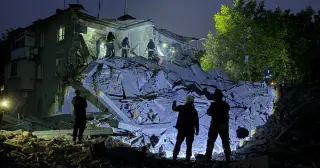
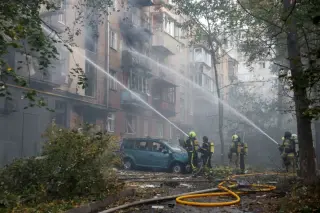
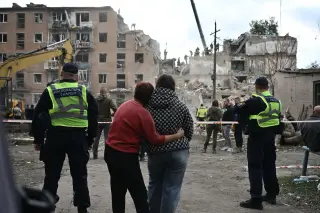
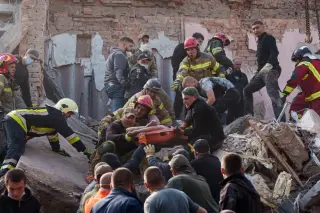
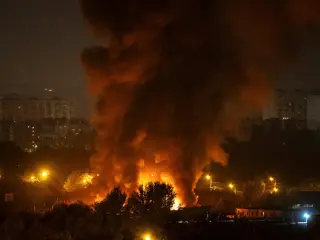
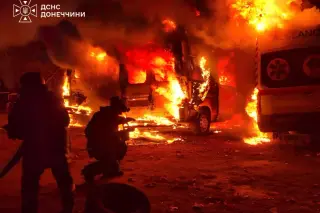
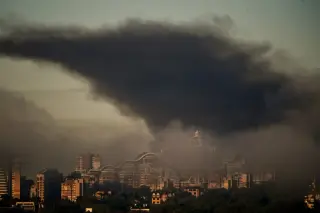
Russia launched more than 1,000 drones at Ukrainian cities, killing at least eight people and wounding nearly 100, including strikes in western Ukraine far from the front lines, in what Ukrainian officials described as Moscow’s largest single-day drone attack to date as Western attention centers on the Middle East and Iran.
Moldova declared a 60-day state of emergency in its energy sector after a key cross-border power line supplying electricity from Romania (via southern Ukraine) was knocked out by Russian strikes in Ukraine; restoration is expected within about seven days, with demining operations needed before repairs and authorities urging reduced consumption as Moscow’s broader assault on Ukraine continues and North Korea signals support for Russia.
ISW assesses Russia is intensifying mechanized assaults across the frontline in what appears to be preparation for a Spring-Summer 2026 offensive, though with limited armor concentrated in localized, pulsing attacks. Ukraine has made some advances near Slovyansk, Kostyantynivka–Druzhkivka, and Hulyaipole, while Ukrainian drones disrupt Russian operations and strikes target logistics and energy infrastructure. Separately, Moscow seeks leverage with Iran and Belarus amid sanctions and economic pressures, and Ukraine weighs the political path to elections amid martial law and ceasefire questions. Russia conducted a large drone campaign (about 156 drones with roughly 133 downed) causing damage to infrastructure, and Ukrainian forces downed a Ka-52 helicopter with FPV drones, illustrating the continued prominence of drone warfare on the battlefield.
African governments are navigating cautious diplomacy as reports of Russia-linked recruitment of Africans to fight in Ukraine emerge; Kenya’s foreign minister visits Moscow under domestic pressure to halt recruitment, while Ghana and South Africa report casualties and investigations. Estimates suggest thousands of Africans could be involved, including over 1,000 Kenyans, but officials emphasize dialogue over confrontation and analysts say public backlash remains limited for now.
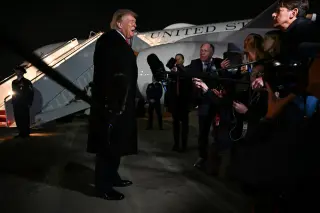
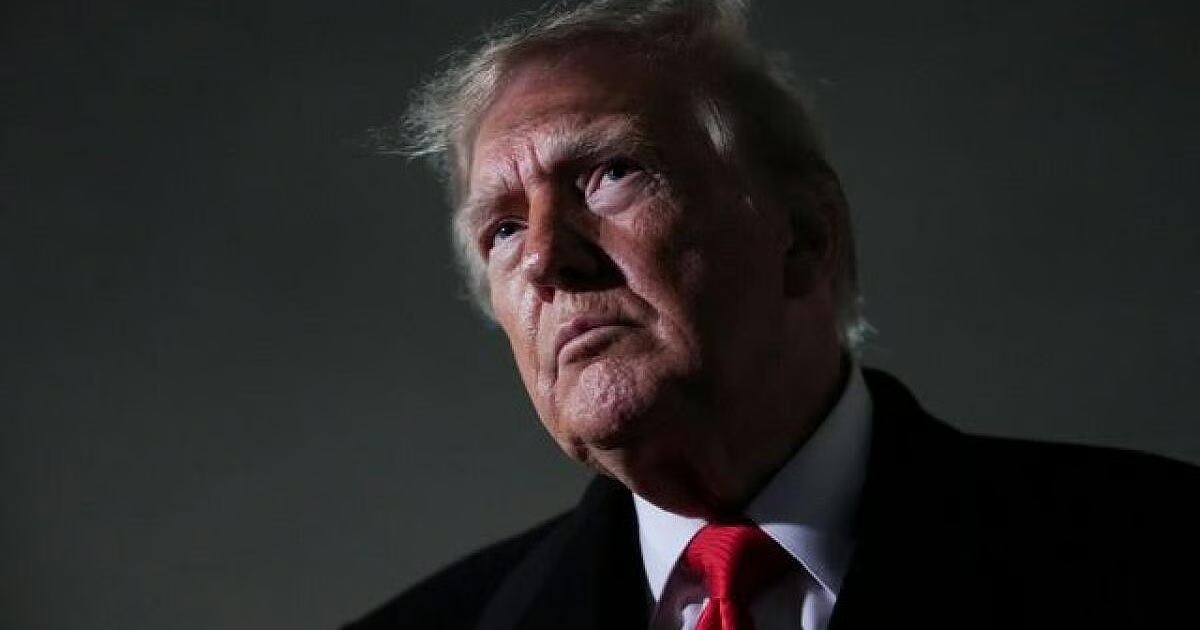
Russia is reveling in Trump’s decision to lift U.S. sanctions on Russian oil at sea, viewing it as a financial windfall that could ease penalties Moscow had begun to feel and help fund Putin’s war, even as oil markets swing due to the U.S.-Israel confrontation over Iran.
Casey Michel argues that Russia’s expanded invasion has produced a string of strategic defeats, weakening Moscow while strengthening Ukraine’s sovereignty and military innovation; Western policymakers have misread the conflict, and the path to lasting peace lies in strong Western support and Ukraine’s integration into NATO and the EU.
Kenyan police arrested a man accused of recruiting fighters to join Russia's war in Ukraine, signaling ongoing cross-border recruitment linked to the conflict; investigators in Nairobi say the case is active and part of broader efforts to curb foreign militant activity.
A February 2026 ISW assessment argues that battlefield realities negate Moscow’s claim of an inevitable Ukrainian defeat, noting Ukrainian counterattacks have reclaimed significant ground since December and February, eroding Russia’s original war aims; Russia has not secured a permanent edge and faces setbacks as it moves to stabilize positions ahead of potential renewed offensives, while Ukraine’s gains and Russian command‑and‑control failures complicate Moscow’s plans.
Ukraine’s Artan elite unit, formed in 2022 and now numbering in the hundreds, conducted a frontline operation in Zaporizhzhia Oblast that destroyed Russian assault groups, cut key supply lines, and established fire control over critical arteries near Stepnohirsk, according to Ukrainian Defense Intelligence. The operation improved Ukrainian tactical positioning at a front where Russia controls much of the region, though Zaporizhzhia city remains under Kyiv’s control.
South Africa’s President Cyril Ramaphosa thanked Vladimir Putin after the SA government helped secure the return of 17 South Africans who allegedly joined mercenary forces in the Russia-Ukraine war; four have returned, 11 more are on their way home and two remain to be processed or are in transit; Ramaphosa spoke to Putin on February 10 and said the gesture would facilitate their repatriation, with SA’s embassy in Moscow continuing to monitor the one person still in hospital as recruitment investigations proceed; it is illegal in South Africa to fight as a mercenary without government authorization.
ISW’s February 23 update flags Moscow's use of Defender of the Fatherland Day to frame and enable limited rolling involuntary mobilization, with Putin and Medvedev pushing a responsibility narrative and Kremlin safeguards to blunt domestic backlash, including tighter internet controls and limited social protections if mobilization expands. On the battlefield, Ukraine continues to liberate southern areas with movements near Kupyansk, Oleksandrivka, and Verbove, though ISW notes contested Russian gains and a fluid front line. Russia aims to bolster intelligence and disrupt satellite communications, while Belarus increases military cooperation and drone activity. Ukrainian strikes hit oil infrastructure in Russia (Tatarstan) and Belgorod, and the war remains marked by heavy attrition and shifting control across Donetsk and Zaporizhzhia directions. ISW will continue monitoring frontline changes and refine its terrain maps as new evidence emerges.
Kenyan workers were lured by recruitment agents to Russia for truck-driving jobs, only to be sent to Ukraine to fight. Kenya’s National Intelligence Service says over 1,000 Kenyans were recruited, with dozens on the front lines, some killed or missing. One recruit, Dancan Chege, escaped after brutal training and mass casualties he witnessed; families demand accountability and repatriation. Kenya has repatriated dozens and vows to crack down on fraudulent recruitment, while Moscow denies illegal recruitment and frames foreign enlistment as voluntary.
Five years into Moscow’s invasion, Ukraine’s front lines are characterized by fatigue, fear, and stalemate: neither side is close to victory, casualties mount on both sides, and morale hinges on small wins. A temporary boost came when Russia’s drone operations were hampered after SpaceX’s Starlink move, but Moscow is retooling its communications and the conflict shows little sign of wrapping up as peace talks stall and manpower remains a strain.
On day 1,459 of Russia’s invasion, new attacks across Sumy, Zaporizhia, Dnipropetrovsk, Donetsk and Kherson wounded civilians and forced evacuations, while a Mondelez facility in Sumy was hit. Ukraine claimed strikes on Russian targets including a missile plant and a gas plant. Zelenskyy pursued diplomacy with Western partners and energy coordination, and demonstrators in Washington, Paris, and Prague showed support ahead of the invasion anniversary. Kyiv also imposed sanctions on about 225 ship captains linked to Russian oil. Energy tensions persisted with Slovakia and Hungary threatening electricity or oil transit stoppages, highlighting regional energy-security concerns. A Czech official said 200 reconnaissance drones were transferred to Ukrainian brigades, and UK/EU leaders discussed further support.