
US Forces Exit Iraq by Sept 30, Ceding Regional Influence to Iran Amid ISIS Fears
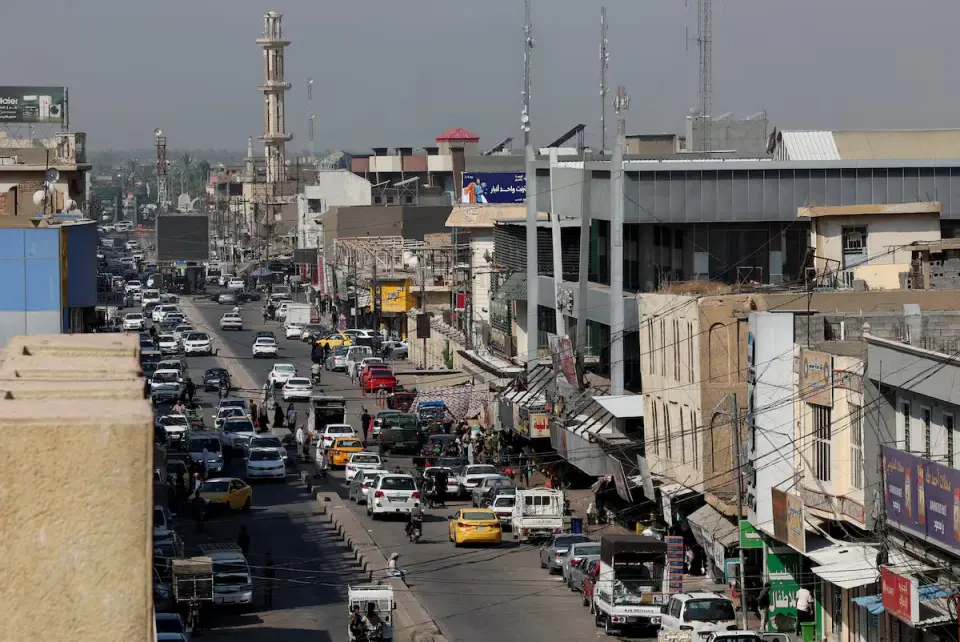
US troops are set to leave Iraq by September 30, ending a two-decade presence that began with the 2003 invasion. While Prime Minister Ali al-Zaidi frames the exit as a victory for sovereignty, critics warn it creates a security vacuum. Iran-backed militias celebrate the move, while Kurdish and Sunni leaders fear a resurgence of Islamic State and increased Iranian dominance.
Key points
- The US-led coalition will conclude its combat mission in Iraq by September 30, 2026, as agreed in a 2024 framework under President Joe Biden.
- Iran-backed groups, including the Islamic Resistance in Iraq, are celebrating the withdrawal as a historic victory, while Iran’s parliament welcomes the move as a step toward removing US forces from the Middle East.
- Iraqi Prime Minister Ali al-Zaidi has declared public holidays to mark the 'restoration of full national sovereignty,' though the disarmament of militias has been delayed until June 2027.
- Kurdish and Sunni leaders warn the withdrawal is premature, citing a lack of US air support and intelligence, which could allow Islamic State sleeper cells to regroup.
- The Kurdistan Regional Government notes that over 1,000 drone and missile attacks have hit the region since the Iran war began, highlighting the vulnerability of civilian and energy infrastructure.
Background
This withdrawal follows a 2024 agreement between the US and Iraq to end the coalition’s mission, which was originally established in 2014 to combat Islamic State after its territorial sweep. Recent tensions have escalated, including US strikes on Iranian targets and Iranian-backed militia attacks on US facilities and Gulf states. In September 2026, US Secretary of State Marco Rubio warned of potential 'Balkanisation' if armed factions are not brought under state control, a concern that has intensified as the withdrawal deadline approaches.
How outlets are covering it
The Washington Post emphasizes the shift in regional power dynamics, noting that the withdrawal leaves a battered but influential Iran at the center of the region’s future. Military Times highlights the strategic benefit to Iran, with analysts predicting that pro-Iranian militias will seek to translate this momentum into greater political influence. The National News focuses on the internal Iraqi divide, contrasting the government’s celebration of sovereignty with Kurdish and Sunni fears of a security vacuum. While all sources agree on the September 30 deadline, they differ on the immediate risks: The National News stresses the threat of Islamic State resurgence and the lack of air defense, whereas Military Times focuses on the broader geopolitical implications for Iran’s 'axis of resistance.'
Why it matters
The US withdrawal from Iraq marks a significant shift in the balance of power in the Middle East, potentially allowing Iran to expand its influence without a direct US military counterweight. It also raises concerns about the resurgence of Islamic State, which could destabilize the region and impact global energy supplies. The move underscores the complex interplay between sovereignty, security, and foreign policy in the post-conflict era.
What to watch
Iraq will move to individual bilateral security cooperation with the US, NATO, and other nations. The disarmament of Iran-backed militias is expected to be completed by June 2027, though hardline factions like Kataib Hezbollah have refused to lay down arms. The Kurdistan Regional Government is working to improve air and missile defense capabilities to address the security vacuum.
- US forces exiting Iraq after 2 decades, leaving opening for Iran Military Times
- Iraq: US troops withdraw after 12 years as Baghdad delays disarming Iran-backed militias to June 2027 dw.com
- US forces exit Iraq, emboldening Iran's proxies and Islamic State reuters.com
- U.S. withdraws forces in Iraq as balance of power shifts to Iran The Washington Post
- Iraq prepares for new chapter after US troop withdrawal as security concerns remain thenationalnews.com
Want the full story? Read the original reporting
Read on Military Times