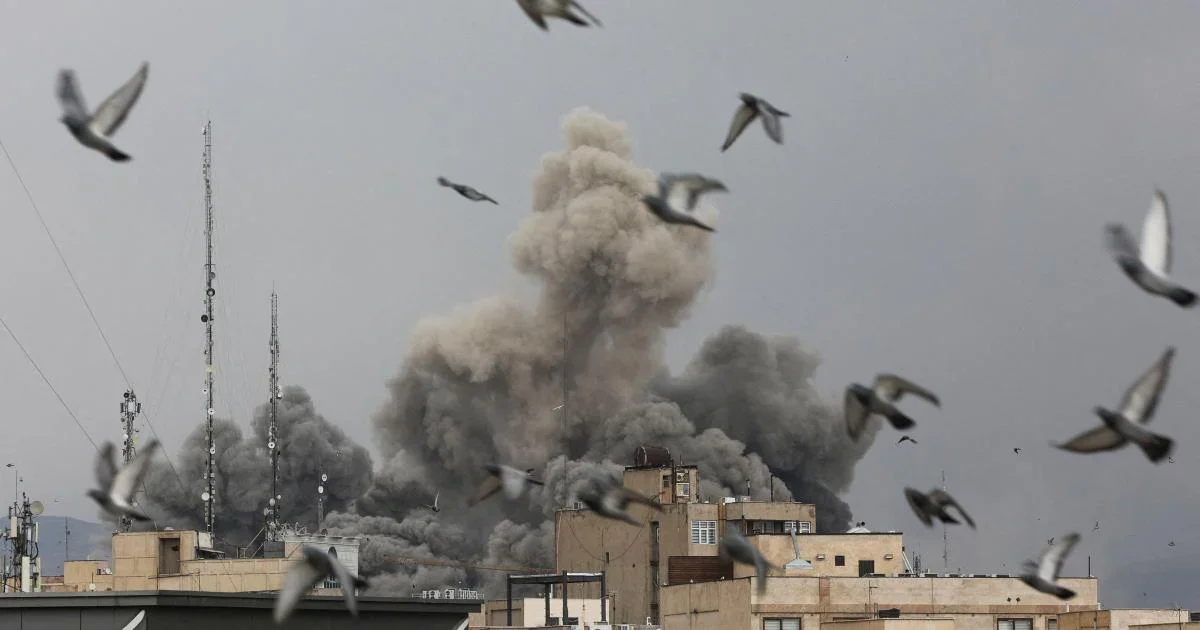
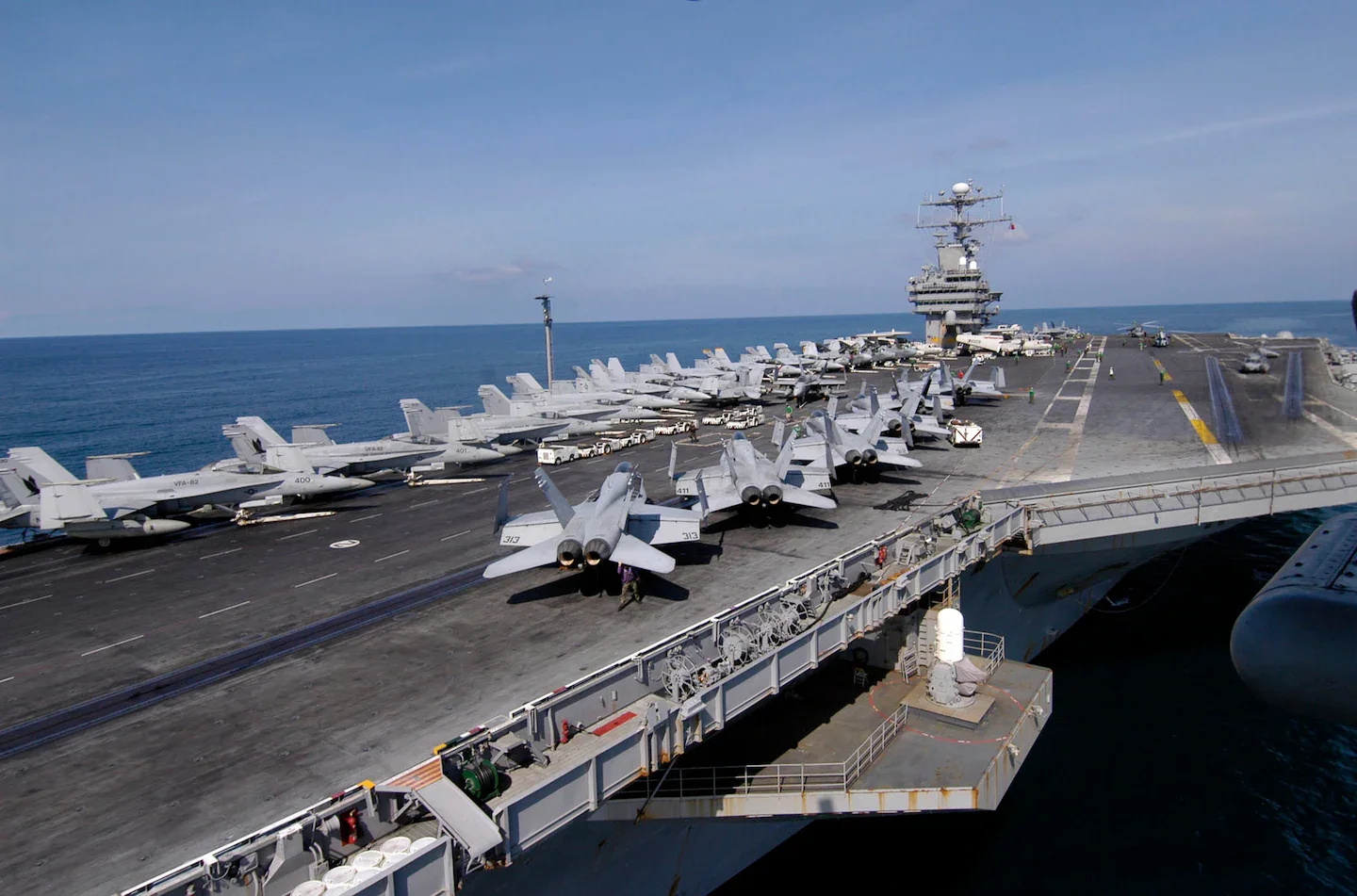
Iran is preparing for a major military confrontation with the United States as diplomatic talks in New York fail to yield a breakthrough. A third US aircraft carrier strike group is moving to the Middle East, while Tehran proposes transferring its enriched uranium stockpile to a third party. Simultaneously, Iranian-backed Houthi forces are advancing in Yemen, threatening regional stability.
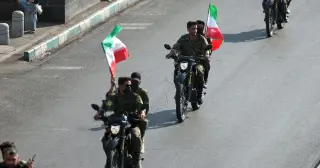
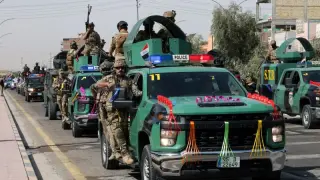
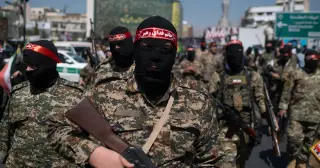
US forces have fully exited Iraq, ending a two-decade military presence that began with the 2003 invasion. The withdrawal, which concluded with the departure from bases in Erbil, marks a significant shift in regional power dynamics. While Washington frames the move as a successful transition to an Iraqi-led security effort, Iran and its allied militias have celebrated the exit as a victory. This development leaves Baghdad facing challenges in asserting sovereignty and disarming foreign-aligned factions, while Kurdish officials express anxiety over the removal of US air defense systems.
US troops are set to leave Iraq by September 30, ending a two-decade presence that began with the 2003 invasion. While Prime Minister Ali al-Zaidi frames the exit as a victory for sovereignty, critics warn it creates a security vacuum. Iran-backed militias celebrate the move, while Kurdish and Sunni leaders fear a resurgence of Islamic State and increased Iranian dominance.
Iran's Revolutionary Guard says it is prepared for a long-term war and would expand the war's geography and weaponry if the U.S. resumes attacks, signaling a willingness to escalate amid ongoing regional security concerns and diplomatic maneuvering.
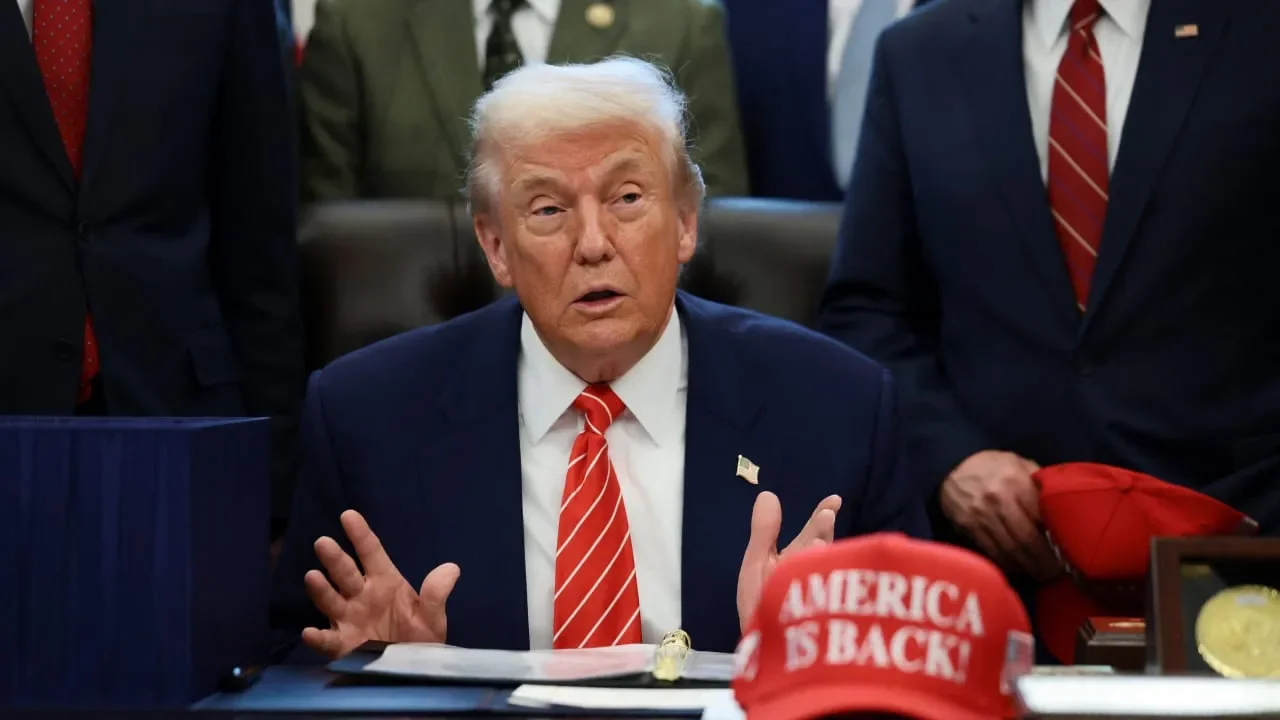
Persian Gulf states—Saudi Arabia, the UAE, Qatar, Kuwait and Bahrain—are increasingly frustrated with Washington’s handling of Iran, accusing Trump of erratic diplomacy and backtracking on threats; some consider diversifying security partnerships and re-evaluating the heavy American military footprint, though no immediate shift away from the U.S. security framework is evident.
GCC states welcome a US-Iran memorandum of understanding as a pragmatic move to end the war and deter Tehran’s drone-and-proxy capabilities, signaling a shift toward diplomacy and regional mediation led by Qatar; they seek a broader security framework beyond nuclear constraints, while remaining wary of Hormuz-control issues and the unsettled dynamics with Israel and Tehran.
Israeli airstrikes across southern Lebanon killed at least 22 people and threatened to derail U.S.–Iran negotiations on a broader ceasefire, complicating a fragile accord that underpins the talks. While U.S. envoys Witkoff and Kushner were en route and Iran’s attendance remained uncertain, mediators urged a ceasefire as a condition for progress. Hezbollah’s stance and ongoing clashes in Nabatieh, Barish, Tyre and the Bekaa Valley added to the fragility. A new round of Israel–Lebanon talks is scheduled in Washington for June 23–25, though Hezbollah’s exclusion and continuing violence may hamper any breakthrough.
Iran is pressing for formal sovereignty over the Strait of Hormuz, framing control of the waterway as its primary deterrent and warning that recognition would disrupt global shipping. The ISW-CTP update cites preparatory moves suggesting a renewed confrontation, including an IRGC infiltration attempt on Bubiyan Island, Mahshahr Port drills, and Iranian aircraft repositioning to Pakistan/Afghanistan to shield assets. Negotiations, if resumed, reportedly hinge on five preconditions: a complete end to the war on all fronts, sanctions relief, unfrozen assets, compensation, and formal recognition of Hormuz rights. The United States and allies continue pressure to safeguard shipping, with covert strikes by the UAE and Saudi Arabia reportedly occurring against Iran, while Iran consolidates internal power around the IRGC. The report also notes Israel’s FPV drone countermeasures, Hezbollah activity near Lebanon, and Iraqi PMF efforts framed as sovereignty signaling, painting a volatile, pre-war landscape ahead of potential renewed conflict.
The United States faces pressure to secure buy-in from Gulf partners—Saudi Arabia, the United Arab Emirates, Qatar and others—as the protracted war with Iran strains regional alliances and risks Gulf infrastructure and vital assets, including the Strait of Hormuz.
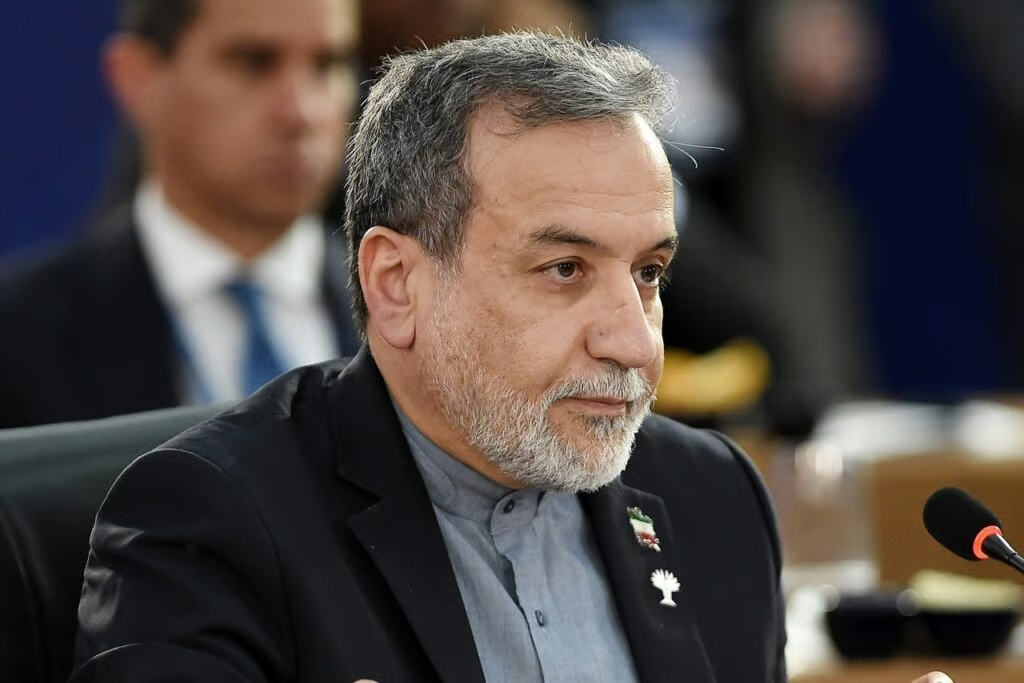
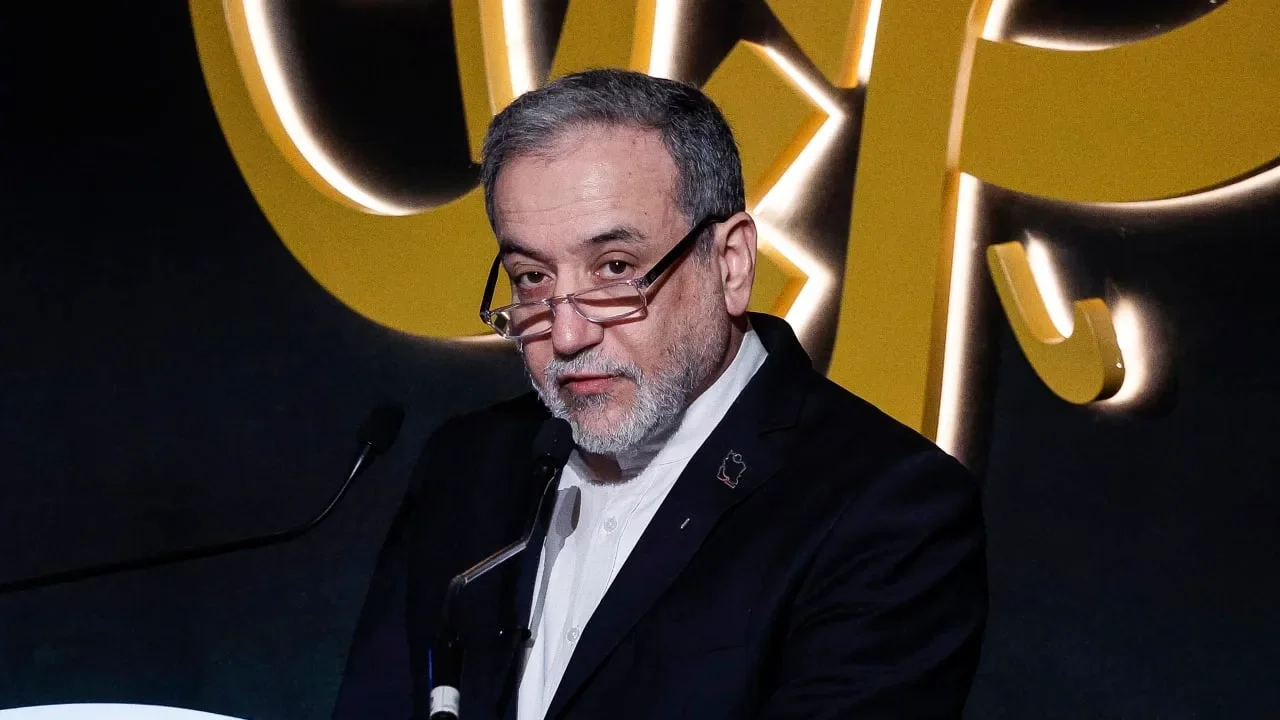
Iranian Foreign Minister Abbas Araghchi urged Saudi Arabia to expel U.S. forces, arguing their presence offers no security after Tehran’s strike damaged a major U.S. air base in Saudi Arabia and wounded American personnel, signaling a challenge to long-running U.S.-Saudi security ties and portraying the move as opposition to “enemy aggressors.”
The piece argues that the U.S. and Israel have mounted the first truly joint operation against Iran, signaling a historic shift in alliance practice with fused intelligence and shared risk, but rising domestic political divisions in both countries threaten long-term support and future coordination; while militarily advancing goals like crippling Iran’s missiles and leadership, the outcome now hinges on leadership and public opinion, as regional stability remains uncertain after the campaign ends.
The United States told Iran it expects meaningful concessions at the next round of nuclear negotiations, while Tehran says enrichment must continue and the talks should focus on the nuclear issue only. Iran rejects halting enrichment and pushes for assurances the program remains peaceful, even as Israel signals a hardline stance and prepares for a White House meeting. U.S. envoys recently met Iranian officials in Oman to shape the agenda for the upcoming talks.
The article argues that the United States has moved back into indirect talks with Iran, choosing diplomacy over a broader confrontation after Iran’s domestic protests exposed its vulnerability. Washington aims to revive the nuclear file, while Tehran insists talks stay narrowly focused on its nuclear program; the move follows a cautious, restraint-first approach to avoid a wider war or regime change. Israel fears a nuclear deal could legitimize a brutal regime if sanctions relief strengthens Tehran, and officials warn that real accountability for Iran’s internal repression and regional behavior risks being sidelined as negotiations center on centrifuges and enrichment.
U.S. forces shot down a Shahed-139 Iranian drone that approached the aircraft carrier USS Abraham Lincoln in the Arabian Sea, with an F-35C taking it out and no injuries or damage reported. The incident added to regional tensions as Washington has deployed more forces and assets nearby, following Iranian harassment of a U.S.-flagged tanker and amid ongoing, narrower-format negotiations over a nuclear deal.
Iran's protests have escalated with increased violence and spread across more provinces, leading to deaths and confrontations with security forces, while regional tensions rise with Israel conducting extensive strikes in Lebanon, Iran offering weapons for cryptocurrency, and Yemen's southern separatists moving towards declaring independence, all amidst ongoing conflicts and security challenges in the Middle East.