
US strikes Iranian air defenses as Qatar mediates fragile ceasefire talks
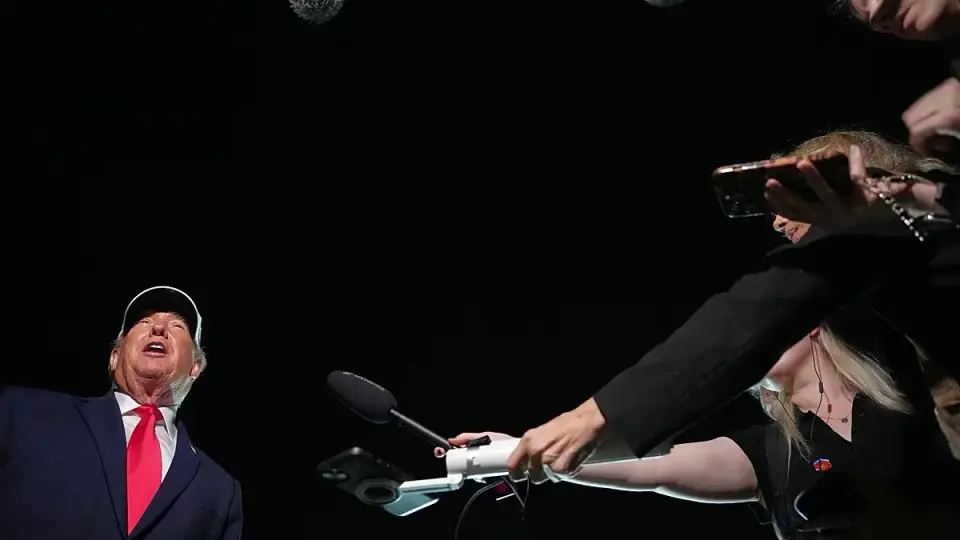
The US conducted limited airstrikes on Iranian air defenses in Qeshm Island, which President Trump described as minor, while Qatar continues mediating a potential bridge deal. Iran remains unwilling to engage in nuclear talks until the US lifts sanctions and ends its naval blockade, with both sides exchanging diplomatic calls to prevent a wider regional war.
Key points
- US forces targeted Iranian anti-aircraft systems on Qeshm Island, with Trump claiming the operation took only 15 minutes.
- Qatar is mediating a 'bridge deal' involving the lifting of the US blockade and release of frozen assets in exchange for IAEA inspections.
- Iran demands the end of the US naval blockade, sanctions relief, and compensation for war damage before engaging in nuclear negotiations.
- CENTCOM launched Task Force Iron Gate to enforce the blockade and prevent illegal weapons shipments to Iran via land routes.
- Iranian officials claim their military is stronger than at the start of the conflict and have removed self-imposed limits on missile range.
Background
This latest escalation follows a series of limited US strikes on Qeshm and Hengam islands in early November, occurring just before the US midterm elections. The conflict, which began in February 2026, has been characterized by intermittent strikes and stalled diplomatic efforts. Recent archive coverage highlights ongoing tensions in the Strait of Hormuz and Iran's rejection of US 'paper commitments' prior to this latest exchange.
How outlets are covering it
Euronews and AP News emphasize the simultaneous nature of military strikes and diplomatic efforts, noting that Trump insists negotiations are progressing despite the violence. Fox News highlights the US military's intensified blockade through the new Task Force Iron Gate and Iran's claims of increased military strength. While Euronews focuses on the risk of a broader regional war involving Gulf states, Fox News details Iran's internal political shifts, including calls to change the negotiating team and the lifting of missile range restrictions. All sources agree that Qatar is the primary mediator, but they differ on the likelihood of a breakthrough, with AP noting Iran's current unwillingness to engage without prior concessions.
Why it matters
The continued strikes and stalled negotiations threaten to reignite a full-scale war in the Middle East, which would severely impact global energy markets and oil prices. The failure to reach a deal could lead to a prolonged regional conflict involving Iran's proxies, while a successful bridge deal could stabilize the Strait of Hormuz and reduce global fuel costs.
What to watch
Iran is expected to continue reviewing Qatar's proposals, though it remains firm on its preconditions for talks. The US may conduct further limited strikes if Iran does not comply with the blockade, while diplomatic efforts will focus on implementing the proposed two-day bridge deal to facilitate IAEA inspections.
- US launches new targeted strikes on Iran as Trump claims progress in talks with Tehran Euronews.com
- US military carries out new targeted strikes on Iran as Tehran's leaders weigh mediator's proposals AP News
- Trump says US forces destroyed Iranian 'anti-aircraft device' Fox News
- Qeshm island and Hormuz hit, as mediators try to prevent US-Iran escalation Al Jazeera
- Two missiles strike Iran's Qeshm Island, Tasnim news agency says Reuters
Want the full story? Read the original reporting
Read on Euronews.com