Iran has agreed to allow IAEA inspectors back into the country as US-Iran negotiations move toward a final deal, with mediators saying progress is solid and a 60-day roadmap is in place; the memorandum of understanding includes reopening the Strait of Hormuz and establishing a de-confliction mechanism to end fighting on all fronts, including Lebanon, while technical talks continue.
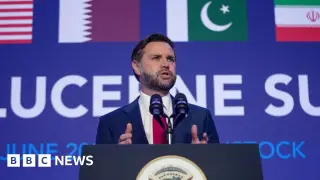
Iran is leveraging the sequencing of the US-Iran MoU to force Washington to address Lebanon/Hezbollah and economic relief before resuming nuclear negotiations, a dynamic evident in the June 21 Burgenstock talks mediated by Qatar and Pakistan. Tehran stresses that implementing the MoU’s early clauses—ceasefire, lifting the naval blockade, reopening Hormuz, asset releases—must come before any nuclear talks, prioritizing a Lebanon ceasefire and Israeli withdrawal while frontloading funds to blunt US leverage if negotiations stall. Internal Iranian factional tensions over strategy have emerged, and while Israeli-Hezbollah operations have paused, the IDF remains in southern Lebanon; Iran’s claimed Hormuz closure aims at economic pressure, though shipping continues, signaling a calculated but contested leverage play ahead of potential nuclear concessions.
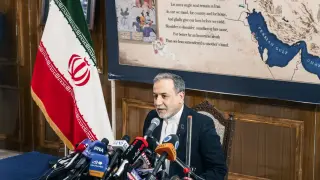
Iran's foreign minister Abbas Araghchi said a deal with the United States to extend the ceasefire, reopen the Strait of Hormuz, and begin nuclear negotiations has never been closer, as mediators including Pakistan push for an agreement even as public back-and-forth and disputes over unfrozen assets and concessions linger.
The United States and Iran have a tentative memorandum of understanding to turn the existing ceasefire into a lasting settlement, with reopening the Strait of Hormuz as the first step and the naval blockade lifted once Hormuz is open. A 60-day window would address Iran’s nuclear program, including its stockpile of highly enriched uranium, while sanctions relief and unfrozen assets would depend on Hormuz’s reopening. Trump has pressed hard on nuclear red lines and asset unfreezing, while Iran seeks permanent control measures in the strait; distrust remains as negotiators finalize the language and sequencing amid broader regional tensions.
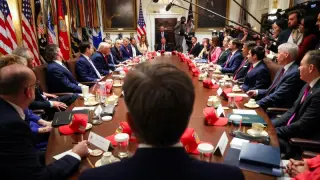
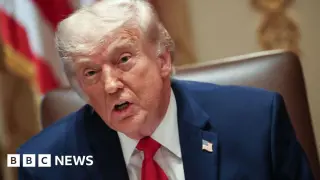
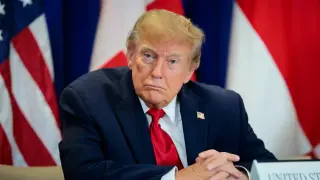
President Trump said the US isn’t satisfied with the current Iran deal and warned Washington could resume strikes if no agreement is reached, even as Iran signaled progress but cautioned a deal isn’t imminent. Iran allegedly circulated a draft calling for reopening the Strait of Hormuz and US withdrawal, a claim the White House dismissed as fabrication. Secretary of State Rubio said there has been some progress, but no specifics were disclosed as talks continue amid a volatile regional context and recent U.S. strikes; BBC reportedly has not verified the draft.
The U.S. and Iran are close to signing a 60-day memorandum of understanding that would reopen the Strait of Hormuz, allow Iran to sell oil, and ease some sanctions in exchange for Iran’s commitments on its nuclear program, with negotiations to suspend enrichment and remove stockpiles to follow in a final agreement. The draft also envisages an end to the Israel-Hezbollah conflict, a pause in further sanctions relief until verifiable concessions are made, and keeps U.S. forces in the region during the period. Mediation led by Pakistan and support from Gulf leaders are backing the plan, and a Sunday announcement is possible but not guaranteed. If Iran delivers on concessions, broader economic relief could come; if not, the deal could fall apart.
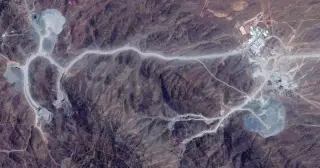
ISW/CTP provide daily updates on US/Israeli strikes on Iran and Iran’s responses. On May 10, Iran’s counterproposal reportedly calls for ending the war, a gradual opening of the Strait of Hormuz, and lifting the US naval blockade, with roughly 30 days of nuclear-negotiations and HEU stockpile adjustments, while Iran seeks guarantees to retrieve HEU if talks fail. Trump has called the proposal “totally unacceptable.” Iran is believed to have attacked a commercial vessel and Gulf states to keep oil prices high and pressure the US, and to push for sanctions relief and tolls in the Strait of Hormuz. The regime has publicly highlighted meetings involving Supreme Leader Mojtaba Khamenei to project decisive leadership amid reports of marginalization. The update also notes an Israeli clandestine outpost in the Iraqi desert supporting the war effort and related Iraqi militia dynamics and discussions on disarmament, with no major new US-Israeli campaigns reported.
Pakistan says the US and Iran are close to a basic interim deal to end the war and reopen the Hormuz Strait, with a two-phase framework: an immediate ceasefire and shipping resumption, followed by talks on Iran’s nuclear program; Tehran would demand unfrozen assets and a longer enrichment moratorium, while Washington seeks broader settlement, but gaps remain and the risk of renewed fighting persists.
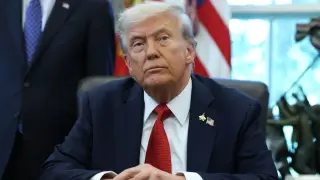
President Trump said talks with Iran over a 14-point peace framework are progressing and Tehran is expected to reply within 24–48 hours to a one-page memorandum of understanding that would pause nuclear enrichment, lift sanctions, and release frozen Iranian funds, with the White House hoping for a breakthrough before his China trip. Some officials remain skeptical a deal will emerge; if no agreement is reached, the administration has warned that military action could resume. Netanyahu has coordinated with Washington, and a recent Israeli strike in Beirut adds tension to the broader crisis.
Iran reportedly offered to reopen the Strait of Hormuz if the U.S. lifts its blockade and ends the war, while proposing to delay negotiations on its nuclear program; Trump canceled a Pakistan meeting with Kushner and Witkoff, and Rubio dismissed the proposal as unsustainable, arguing the strait is an international waterway not subject to Iranian control. A ceasefire remains in place but Hormuz remains a strategic, tense flashpoint as U.S. naval actions continue.
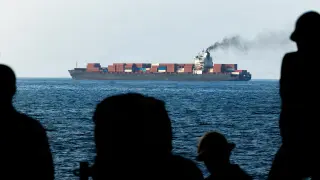
The ISW-CTP brief reports the IRGC laid out strict conditions for Strait of Hormuz transit—commercial vessels only, the Iranian-approved route, and coordination with IRGC forces—preserving Iran’s control as US-Israeli strikes press Iran and as internal regime divisions surface after Araghchi’s claim the strait is open; CENTCOM says 19 vessels turned away and none breached the blockade, while some non-Iranian ships skirt the Iranian route; meanwhile, the IDF’s campaign inflicted heavy damage on Iran’s steel, petrochemical, gas processing, and space sectors, complicating its ability to reconstitute its ballistic-missile program; a 10-day Hezbollah-Lebanon ceasefire begins, with Hezbollah resisting disarmament and Israel maintaining positions, and both sides still negotiating broader terms like sanctions relief and nuclear enrichment; overall, the gap between US and Iranian positions remains wide and the ceasefire/negotiations timeline unclear.
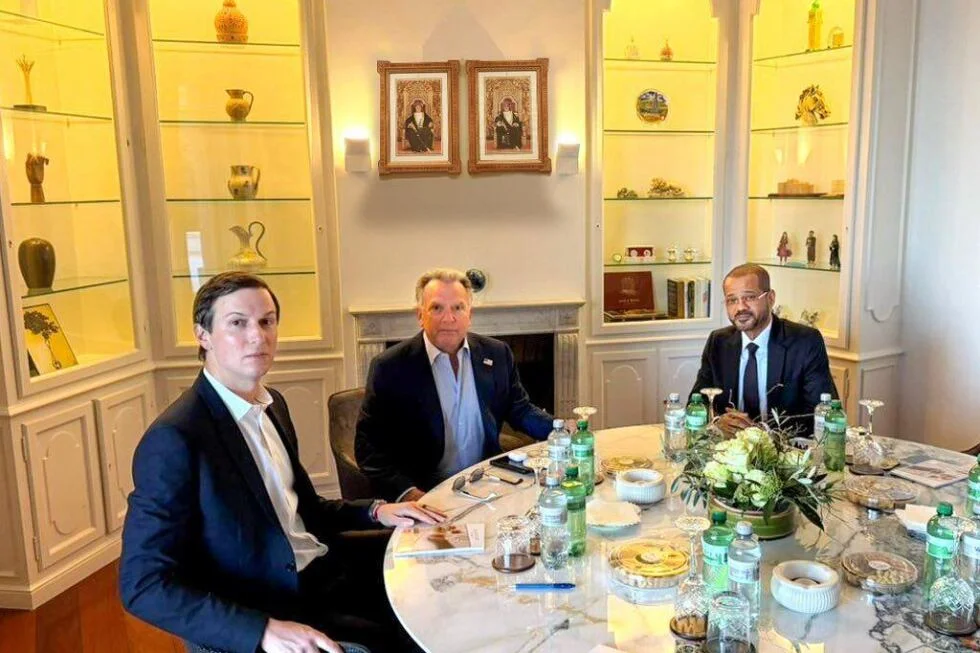
Iran and the United States are holding indirect talks in Geneva, mediated by Oman, over Tehran’s nuclear program and sanctions relief. Both sides have exchanged “constructive” proposals, with discussions paused for capitals’ input and meetings set to resume later in the day, as Washington maintains pressure in the region while pursuing a potential narrow path to a deal.
With nuclear talks stalled, Iran staged live-fire drills with Russia in the Gulf and the U.S. moved the USS Ford closer to the Middle East, signaling a renewed show of force even as Tehran faces domestic protests and negotiators weigh next steps.
The article discusses how Iran and its adversaries can break the cycle of securitization and hostility by promoting domestic reforms, regional cooperation, and renewed diplomacy, particularly with the US, to address mutual security concerns and foster stability.
European diplomats met with Iran to restart negotiations on its nuclear program, amid tensions over uranium enrichment and recent conflicts, with deadlines approaching for sanctions restoration and ongoing disputes over Iran's nuclear rights and compliance.