
US Sanctions ICC President and Senior Lawyer in Escalation of Court Dismantling Campaign
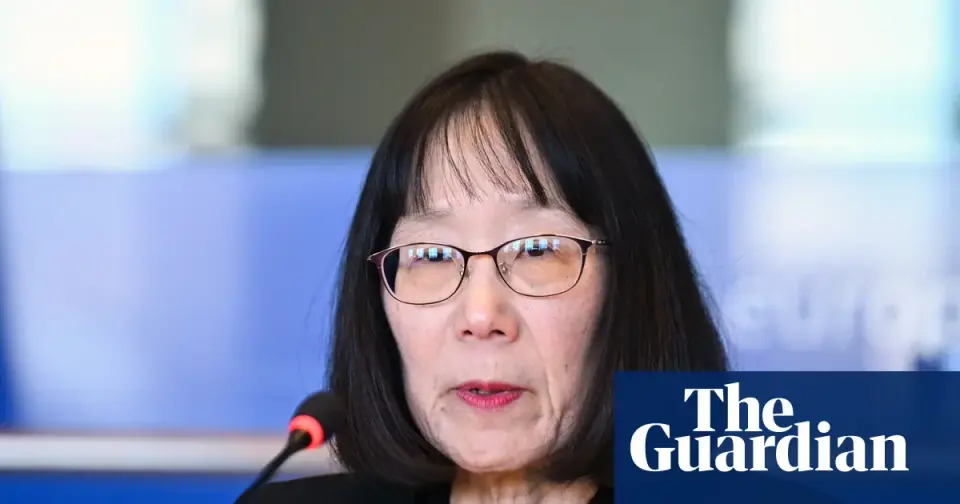
The US government has sanctioned the president and a senior trial lawyer of the International Criminal Court (ICC), marking the latest escalation in Washington's campaign to dismantle the Hague-based body. Secretary of State Marco Rubio accused the ICC of abusing its authority and exceeding its mandate, specifically targeting officials from nations that have not consented to its jurisdiction. The move follows previous sanctions against ICC prosecutors and judges, driven by US and Israeli objections to investigations into war crimes in Gaza and Afghanistan.
Key points
- US Secretary of State Marco Rubio announced sanctions against ICC President Tomoko Akane of Japan and Senior Trial Lawyer Abdoulaye Seye of Senegal.
- Rubio labeled the ICC a 'corrupt and fatally politicized' court that has maliciously abused its authority, calling on its 125 member states to withdraw.
- The sanctions target officials involved in investigating crimes by Israel in Gaza and the West Bank, as well as US personnel in Afghanistan.
- The ICC responded by stating that such measures undermine the rule of international law and threaten the global legal order.
- This action brings the total number of sanctioned ICC officials to at least 11, including nine judges and the former chief prosecutor.
Background
This development follows a series of escalating tensions between the US administration and the ICC. In July 2026, Rubio vowed to dismantle the court 'brick by brick,' urging allies to join the effort. Earlier that month, the ICC voted on whether to remove prosecutor Karim Khan over misconduct allegations, a move linked to ongoing US sanctions. In 2025, President Trump issued an executive order sanctioning the court, citing 'illegitimate' actions against the US and Israel. The current sanctions are part of a broader strategy to isolate the ICC and prevent it from prosecuting US or Israeli officials.
How outlets are covering it
The US government, led by Rubio, frames the ICC as a threat to national sovereignty and a 'corrupt' body that exceeds its mandate, particularly in targeting Israel and the US. In contrast, the ICC and human rights organizations, including Human Rights Watch and the Center for Constitutional Rights, argue that the sanctions are unconstitutional and violate the rule of law. They contend that the measures prevent victims of war crimes from seeking justice and are designed to create a 'get-out-of-jail-free card' for government officials. Israeli officials have also warned of potential ICC arrest warrants for ministers and military officials, further intensifying the dispute.
Why it matters
The sanctions against the ICC's top leadership signal a significant shift in US foreign policy, moving from diplomatic pressure to direct financial and legal restrictions on international judicial bodies. This could weaken the ICC's ability to investigate and prosecute war crimes globally, particularly in conflict zones like Gaza and Afghanistan. It also raises questions about the future of international law and the US commitment to multilateral institutions, potentially setting a precedent for other nations to withdraw from or ignore the court's jurisdiction.
What to watch
The ICC is expected to continue its investigations despite the sanctions, though the financial and travel restrictions may hinder its operations. The US may impose further sanctions on other ICC officials or member states that support the court. Human rights groups are likely to pursue legal challenges against the sanctions in US courts, arguing they violate constitutional rights and international obligations. The ICC may also seek to rally support from its 125 member states to counter the US campaign to dismantle the court.
- US sanctions international criminal court president and prosecutor theguardian.com
- Rubio announces sanctions on ICC president The Hill
- Rubio announces sanctions on ICC officials amid campaign to dismantle the court CNN
- US announces new sanctions on top ICC figures BBC
- US sanctions International Criminal Court president, senior lawyer Reuters
Want the full story? Read the original reporting
Read on theguardian.com