
Core Muscle Contractions Trigger Ultrafast Brain Vein Constrictions
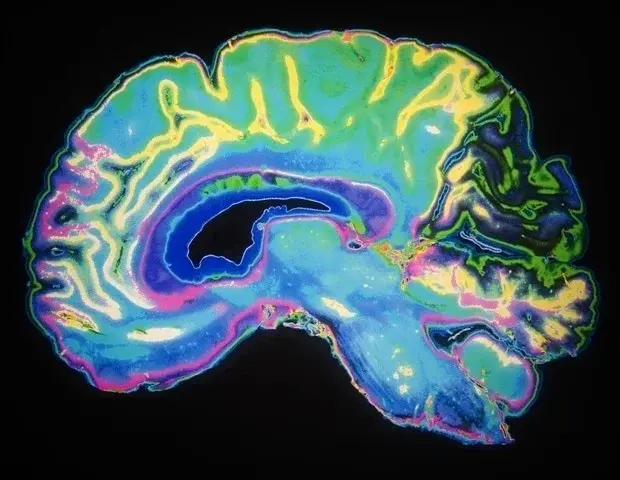
A new study from Penn State reveals that contracting core muscles, such as during exercise or coughing, rapidly constricts major brain veins to regulate blood flow. This mechanical link between the body and brain occurs within 100 milliseconds, challenging the view that brain circulation is isolated from bodily movement.
Key points
- Researchers at Penn State found that abdominal muscle contractions increase pressure in blood vessels connected to the brain via the spinal column.
- This pressure causes ultrafast constrictions of the superior sagittal sinus and bridging veins, momentarily increasing blood flow.
- The vein constriction happens within approximately 0.1 seconds, much faster than the seconds-long response time of arteries and capillaries.
- The study, conducted on mice, suggests this mechanism is likely similar in humans due to comparable physiological structures.
- Understanding this dynamic could explain the link between exercise and brain health, as well as why movement can worsen migraines.
Background
Recent archive coverage highlighted a 'fitness paradox' where leisure-time physical activity reduces dementia risk by 24%, while work-related activity increases risk by 20%. While those studies focused on long-term cognitive outcomes, this new research provides a mechanistic explanation for how acute physical movements influence cerebral circulation. It complements earlier findings that core movements trigger instant brain vein constriction, reinforcing the idea that torso activity directly impacts brain physiology through rapid mechanical signaling.
Why it matters
This discovery shifts the understanding of brain physiology by showing that cerebral blood flow is not regulated solely by local signals but is actively influenced by mechanical forces from the rest of the body. Recognizing that veins are dynamic regulators rather than passive pipes may lead to new treatments for headaches and migraines, which are linked to pain receptors in the dura mater that respond to these flow changes.
What to watch
The research team plans to further investigate how these mechanical signals affect brain health and disease. They aim to develop a framework for understanding brain-body interactions that could help diagnose circulation issues and create new therapeutic approaches for conditions exacerbated by physical exertion.
Want the full story? Read the original reporting
Read on News-Medical