
Tel Aviv Study Suggests Qumran Sect Abandoned 364-Day Calendar Due to Astronomical Drift and Political Shifts
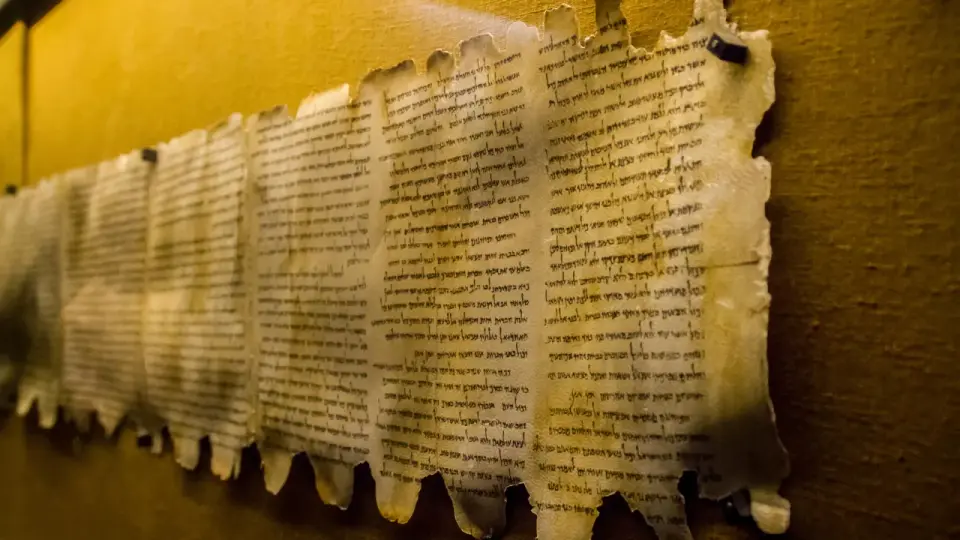
A new study by Prof. Eshbal Ratzon at Tel Aviv University proposes that the Qumran sect initially used their 364-day calendar but later abandoned it due to accumulating seasonal errors and changing political alliances. The research suggests the calendar served as a practical tool during the sect's early separation from Jerusalem authorities but became a theoretical religious ideal as it drifted out of sync with the solar year. This explanation resolves a long-standing debate about whether the calendar was ever actually used, highlighting how astronomical inaccuracies and political shifts under Alexander Jannaeus influenced the sect's practices.
Key points
- Prof. Eshbal Ratzon argues the Qumran sect used the 364-day calendar during its early history to distinguish itself from Jerusalem religious authorities.
- The 364-day calendar, which ensures 52 perfect weeks, drifted approximately one day and a quarter shorter than the astronomical year, causing festivals to misalign with seasons over decades.
- The study suggests the calendar was abandoned due to this astronomical drift and improved political relations with the Hasmonean ruler Alexander Jannaeus, who opposed Pharisaic leadership.
- Ratzon contends the calendar persisted as a theoretical religious ideal, believed to have been given to Moses, rather than being entirely discarded or corrected with intercalary days.
- The findings, published in Tarbiz Quarterly for Jewish Studies, suggest the calendar's prominence in Qumran scrolls reflects its symbolic importance rather than continuous practical use.
Background
This study addresses a decades-long debate among scholars regarding the practical application of the Qumran sect's 364-day calendar. Previous theories suggested either periodic corrections to the calendar or that it was purely a theoretical ideal. Ratzon's work builds on the understanding that the Qumran community had a complex relationship with Jerusalem authorities, influenced by political figures like Alexander Jannaeus. The research adds to the broader historical context of Second Temple period Judaism, where calendar disputes were central to religious and political identity. It does not rely on recent archive articles, which covered unrelated topics such as Venus's moon, Perseid meteors, Micron stock, and Philadelphia missing persons cases.
Why it matters
This research provides a nuanced explanation for a significant aspect of Dead Sea Scrolls scholarship, bridging the gap between theoretical religious ideals and practical historical practices. It highlights how astronomical inaccuracies and political dynamics can shape religious observance, offering insights into the evolution of the Qumran sect. Understanding this transition helps scholars interpret the scrolls' emphasis on calendar systems and their role in defining the sect's identity and conflicts with mainstream Jewish authorities.
What to watch
Further archaeological and textual analysis may be required to confirm the timeline of the calendar's abandonment and its transition to a theoretical ideal. Scholars may investigate additional scrolls or historical records to verify the political influences of Alexander Jannaeus on the Qumran sect's practices. The study may also prompt re-evaluations of other religious calendars in the Second Temple period, examining how astronomical drift and political changes affected their use and interpretation.
Want the full story? Read the original reporting
Read on ScienceDaily