
science-and-history3.655 min read
Purdue-led team begins dredging search for Amelia Earhart's plane at Nikumaroro
6 hours ago•Source: The Guardian

The latest science and history stories, each synthesized from multiple sources with added background and context.
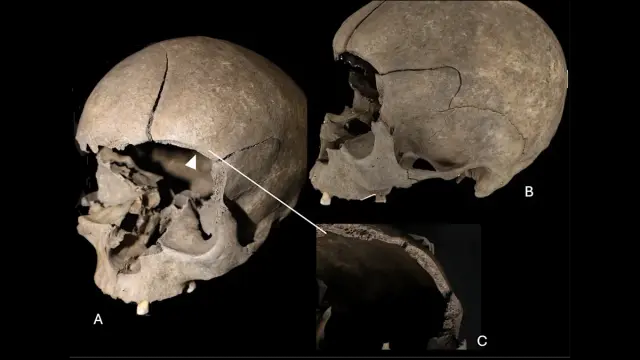
Archaeologists have discovered a child's skull built into the floor of a 2,500-year-old house in Scandinavia. The finding, reported by Yahoo News, suggests the remains were intentionally incorporated into the structure's foundation, offering new insights into ancient burial practices or ritualistic behaviors in the region.

Archaeology News Online Magazine•23 days ago
Knowable Magazine•29 days ago

This article covers recent discoveries and developments including the world's strangest dinosaur with unique armor, a study showing multilingualism may slow brain aging, the grand opening of Egypt's new museum with King Tut artifacts, the public display of lost Habsburg royal jewels, and a promising peanut allergy treatment for toddlers. It highlights significant scientific, historical, and medical advancements and discoveries.

The article lists 21 Wikipedia pages related to body horror, covering topics like rare diseases, unethical experiments, and bizarre medical conditions, highlighting the dark and often disturbing aspects of medical history and science.
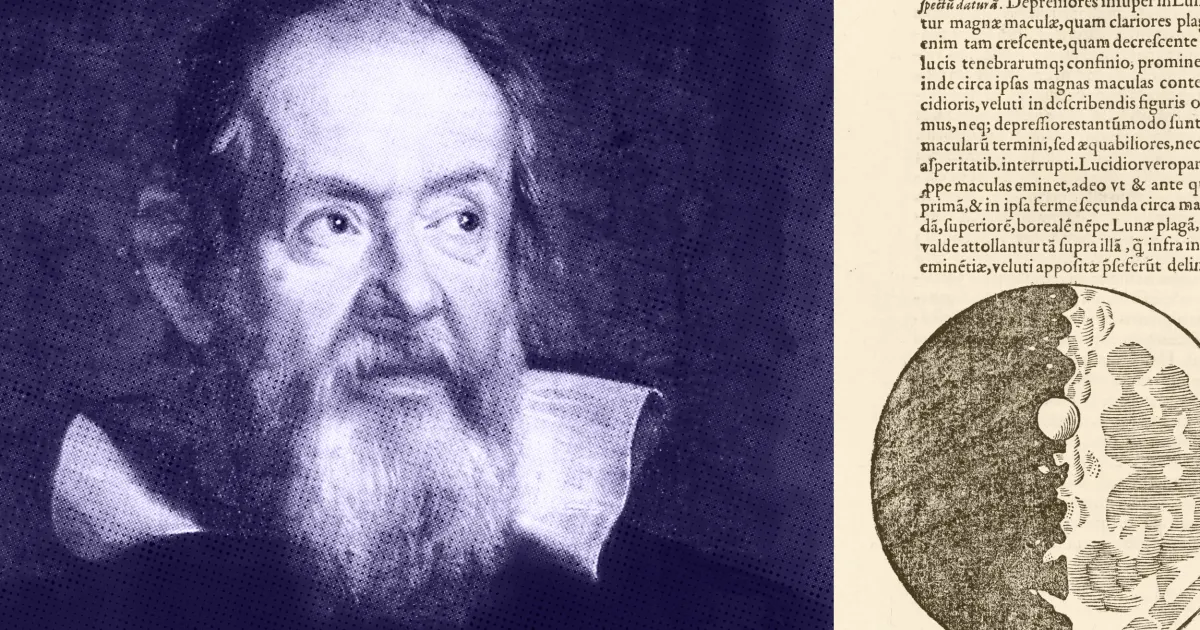
A visit to the Galileo Museum in Florence left the author in awe of the historical significance of Galileo's original experiments, which laid the foundation for modern science. The museum showcases artifacts like the inclined plane and telescopes used by Galileo, highlighting the painstaking efforts that led to groundbreaking discoveries in physics and astronomy. The experience underscored the long, complex journey of scientific progress and its impact on shaping a world free from superstition, while also reminding us of our responsibility to build on this legacy in addressing contemporary challenges like climate change.
A recent DNA analysis of Ludwig van Beethoven's hair has revealed new insights into his health and ancestry. The study, led by Johannes Krause at the Max Planck Institute, found no evidence of lead poisoning but suggested a hepatitis B infection may have contributed to his death. Surprisingly, a genetic mismatch in his paternal lineage indicates a possible extramarital affair in his family history. Despite extensive testing, the causes of his hearing loss and digestive issues remain unknown. The findings, published in Current Biology, highlight the role of modern science in unraveling historical mysteries.
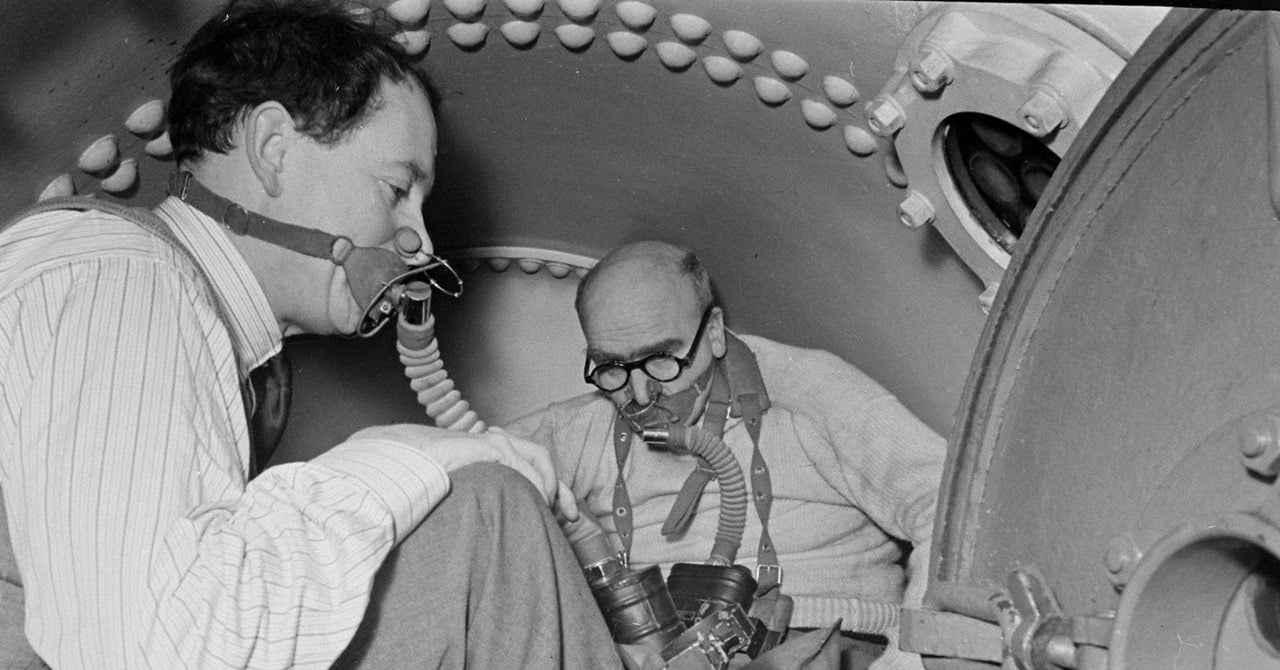
During World War II, a group of scientists conducted extreme self-experiments to develop crucial diving research that helped the Allies win the war. Led by Professor John Burdon Sanderson Haldane and Dr. Helen Spurway, the scientists tested the effects of pressure and oxygen on their own bodies in hyperbaric chambers, leading to groundbreaking discoveries in underwater survival. Their work enabled Allied divers to safely scout and clear the waters off the coast of Normandy for the D-Day invasion, ultimately contributing to the success of the mission and the defeat of Hitler.
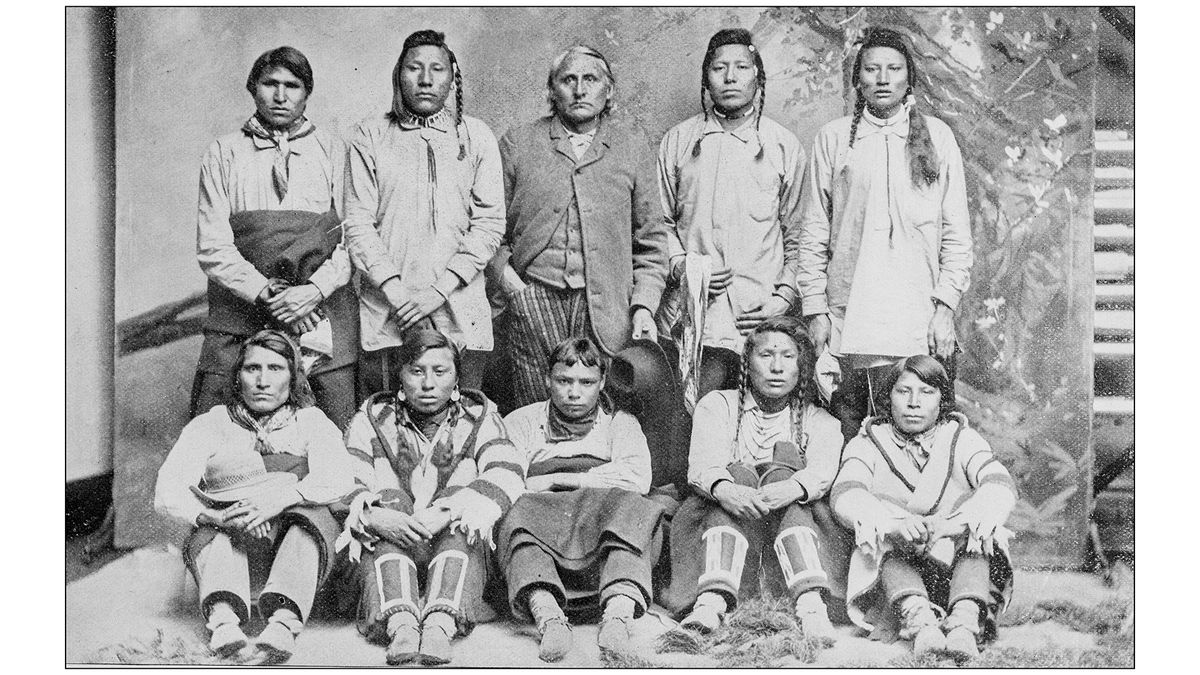
A new DNA study reveals that the Blackfoot Confederacy, comprising four related tribes, has an ancient genetic lineage dating back 18,000 years to the last ice age. The research, led by members of the Blackfoot Confederacy, investigated the genetic history of their tribes and found that present-day members share a large fraction of their genome with historical ancestors. This study, conducted through the Blackfoot Early Origins Program, is important for its collaborative and Indigenous-led approach, providing valuable insights into the ancient Indigenous lineage of the Blackfoot Confederacy.

Leap year was introduced to keep the calendar in sync with annual events due to Earth's orbit not being precisely 365 days a year. Without a leap day, major events would fall out of sync, causing seasons to align differently and potentially leading to summer in November. The concept of leap year evolved from ancient civilizations to the Julian calendar and eventually the Gregorian calendar. Leap day also comes with folklore about women proposing to men, and being born on a leap day can present paperwork challenges but also unique celebrations for leaplings.
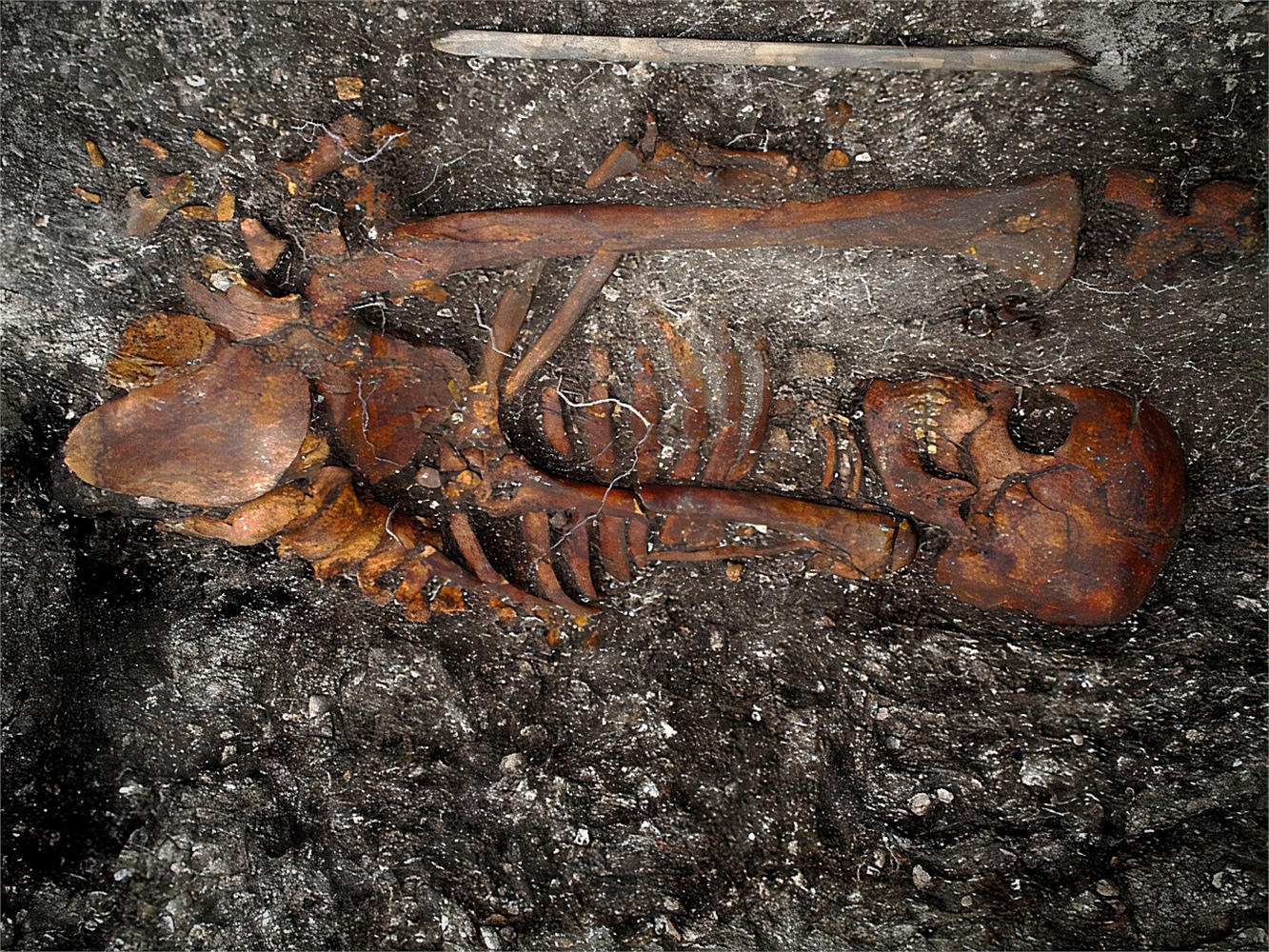
Ancient DNA analysis of prehistoric bones in Brazil has revealed the presence of the bacterium Treponema pallidum, indicating the existence of syphilis-like diseases in the Americas over 2,000 years ago, challenging the belief that Columbus brought syphilis to Europe. The findings suggest that treponematoses, including syphilis, were already widespread globally before Columbus's arrival, and recombination events have driven the development of different treponemal infections. This research sheds new light on the history and spread of infectious diseases and may lead to a better understanding of the origins of venereal syphilis.

Leap year, introduced by Julius Caesar, corrects for Earth's orbit not being precisely 365 days a year. Without it, major events would fall out of sync, causing seasons to shift and disrupting agricultural practices. The Gregorian calendar, introduced by Pope Gregory XIII, refined the leap year system. Leap day also comes with folklore about women proposing to men, perpetuating stereotypes. Being born on a leap day can be a paperwork hassle, but some leaplings embrace the uniqueness of their birthdays.
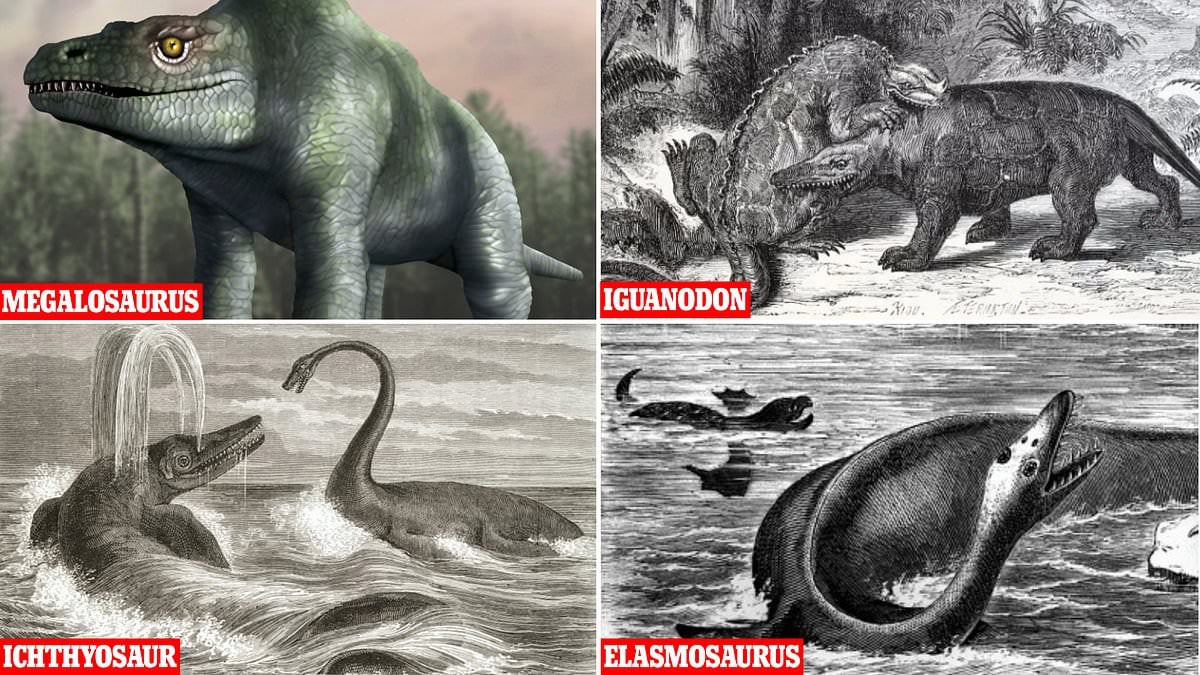
Hilarious images reveal how early palaeontologists' depictions of dinosaurs have evolved over time, from clumsy creatures resembling scaly rhinos to today's fearsome feathered beasts. The first dinosaur discoveries, including the megalosaurus and iguanodon, were initially thought to be giant lizards, leading to comical artistic interpretations. Modern understanding, aided by complete skeletons and fossilized feathers, has corrected many misconceptions, revealing that dinosaurs were more athletic, dynamic, and often feathered than previously thought. Ongoing debates among experts continue to shape our understanding of dinosaur appearance and behavior.