
Cape Canaveral uses big methane blast to sharpen safety rules for a busy launch era
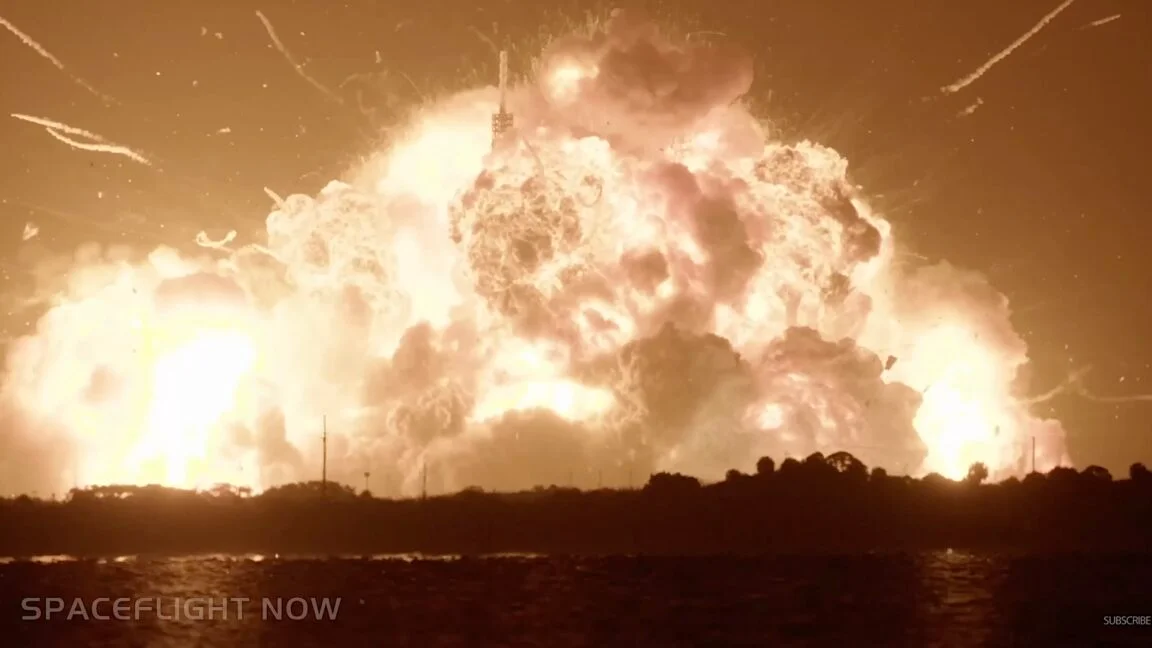
Blue Origin’s New Glenn methane/LOX test at Launch Complex 36 ended in a fireball that shattered hangar windows about a mile away and damaged a weather facility, but it yielded crucial real‑world data on methalox blasts. Space Force and NASA will use the measurements to improve blast models and may shrink keep-out zones from the current 100 percent TNT equivalency as data accumulates, though the policy remains conservative for now. The Space Force estimates the blast danger area for such flights at roughly 7,174 feet in diameter (about two‑thirds of a mile) with debris up to half a mile away, and there were no injuries. With SpaceX, Stoke Space, Relativity Space and Blue Origin expanding methane-fueled rocket pads, the Cape Canaveral area is projected to support up to 500 launches per year by 2036.
Reading Insights
0
33
8 min
vs 9 min read
93%
1,791 → 134 words
Want the full story? Read the original article
Read on Ars Technica