
Hypersonix Secures $46M to Develop World’s First Hydrogen-Powered Mach 12 Scramjet
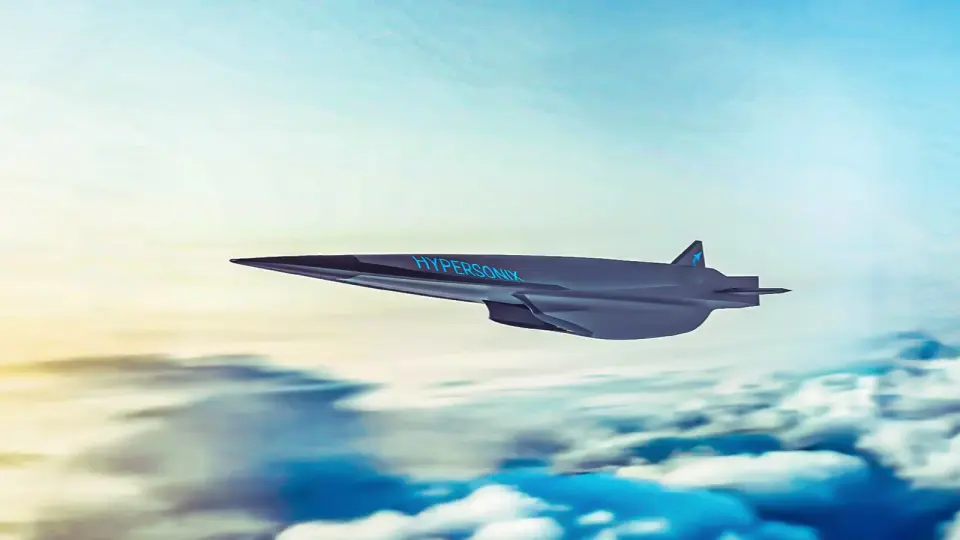
Brisbane-based Hypersonix Launch Systems (HLS) is developing the world’s first hydrogen-powered hypersonic aircraft, targeting speeds of Mach 12. The company recently raised US$46 million in Series A funding to advance its SPARTAN scramjet engine and associated platforms. This technology aims to combine the high energy density of hydrogen with air-breathing propulsion to achieve extreme speeds while producing only water vapor as exhaust, potentially revolutionizing defense, logistics, and space access.
Key points
- Hypersonix Launch Systems (HLS), based in Brisbane, Australia, is pursuing the development of a hydrogen-fueled hypersonic aircraft capable of reaching Mach 12, approximately 14,820 km/h at sea level.
- The company raised US$46 million in Series A funding to support the development of its SPARTAN scramjet engine, the DART AE demonstrator, and the VISR reconnaissance aircraft.
- The SPARTAN engine is described as a 3D-printed, reusable, air-breathing scramjet with no moving parts, designed to burn hydrogen for higher Mach numbers and produce zero CO2 emissions when using green hydrogen.
- Key platforms include the DART AE, an 11.5-foot demonstrator vehicle for the US Defense Innovation Unit’s HyCAT program, and the VISR, an 8-meter reusable aircraft for intelligence, surveillance, and reconnaissance missions using four SPARTAN engines.
- Hypersonix’s approach differs from traditional hypersonic programs, which typically use kerosene or rocket boosters, by focusing on hydrogen for its high specific energy and clean combustion profile.
- Challenges remain in hydrogen storage, thermal management, and material durability at hypersonic speeds, though the company’s funding and government contracts indicate significant industry confidence in the technology.
Background
Hypersonic flight, defined as speeds exceeding Mach 5, has historically been dominated by rocket-boosted vehicles or kerosene-fueled scramjets. While hydrogen has been considered for aviation since the 1950s, its integration with hypersonic propulsion is a recent development. Australia has researched scramjet technology for over two decades, including the HyShot project in the early 2000s. Other entities, such as the Franco-Swiss company Destinus Aerospace, are also exploring hydrogen-fueled hypersonic concepts, but Hypersonix is currently the only company targeting operational platforms with this specific combination. The broader aerospace industry is investing heavily in hypersonics for defense and commercial applications, with nations like the US, China, and Russia leading efforts in traditional propulsion methods.
Why it matters
If successful, Hypersonix’s technology could transform global transport by reducing intercontinental travel times from hours to minutes, revolutionize defense through rapid-response intelligence and surveillance platforms, and lower the cost and emissions of space access by serving as a reusable first stage for orbital launches. The use of green hydrogen offers a path to sustainable high-performance flight, addressing environmental concerns associated with traditional aviation fuels. However, the technology remains in the development phase, with unproven claims regarding sustained atmospheric flight at Mach 12 and significant engineering hurdles in fuel storage and thermal management.
What to watch
Hypersonix plans to use its recent funding to advance the DART AE demonstrator under the US HyCAT program, expand manufacturing capabilities in Queensland, and develop the VISR aircraft. The company aims to transition from laboratory tests to operational flights, with the long-term goal of achieving commercial viability for reusable hypersonic platforms. Success will depend on overcoming technical challenges related to hydrogen storage, engine durability, and aerodynamic control at extreme speeds.
Want the full story? Read the original reporting
Read on Simple Flying