
Michigan Supreme Court ruling wipes 20,000 names, including Nassar, from sex offender registry
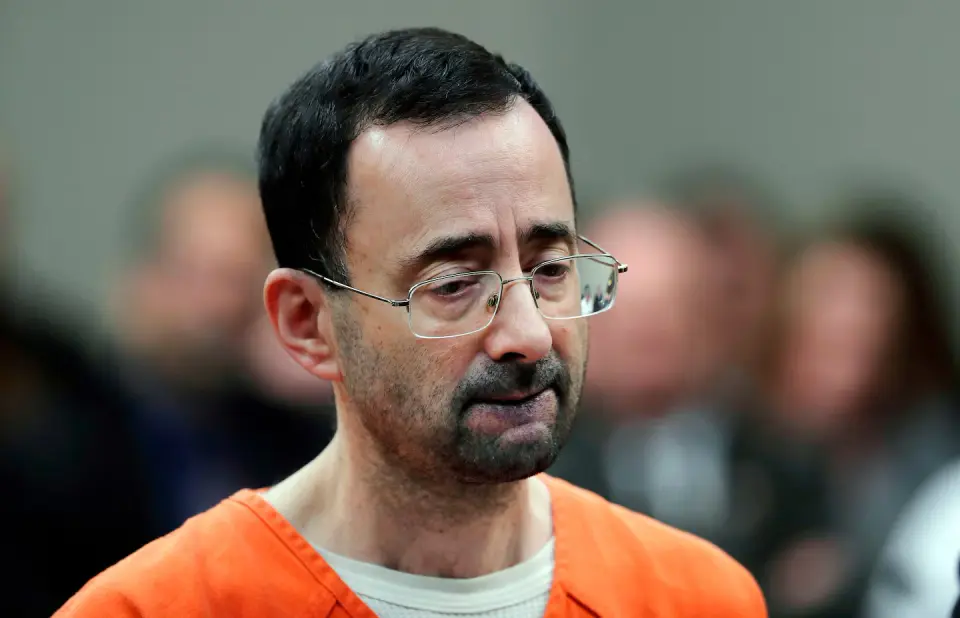
The Michigan Supreme Court ruled that the 2011 Sex Offender Registration Act cannot be applied retroactively to crimes committed before July 1, 2011. Consequently, the Michigan State Police removed over 20,000 individuals, including disgraced former gymnastics doctor Larry Nassar, from the public registry. While Nassar remains in prison and still legally required to register if released, the decision has sparked outrage among prosecutors and survivor advocates who view the removal as a safety risk.
Key points
- The Michigan Supreme Court ruled on Sept. 9 that the 2011 Sex Offender Registration Act (SORA) cannot be applied retroactively to crimes committed before July 1, 2011.
- Following the ruling, the Michigan State Police removed over 20,000 individuals, including Larry Nassar, from the public sex offender registry.
- Larry Nassar, who is serving decades in prison for sexually abusing athletes, remains legally required to register if he is ever released, but his name no longer appears on the public database.
- The Eaton County Prosecutor's office and survivor advocates criticized the decision, calling it a 'deeply concerning' removal of community protection and an 'institutional betrayal' of victims.
- The Michigan Legislature has not yet set a timeline to create a replacement law, leaving a gap in public safety measures for families and communities.
Background
This development follows a series of legal challenges to Michigan's sex offender registry. In 2021, the Michigan Supreme Court ruled an earlier version of the registry unconstitutional when applied retroactively. In December 2025, the court ruled in People v. Kardasz that the 2021 version functions as criminal punishment rather than a civil safety measure. This month's ruling addresses whether that finding applies to people whose crimes happened before 2011, leading to the current removal of 20,000 names.
How outlets are covering it
The Washington Post and WXYZ 7 News Detroit focus on the immediate impact of the ruling, highlighting the removal of 20,000 names, including Larry Nassar, from the public registry. USA Today provides additional context on Nassar's background and the Eaton County Prosecutor's office's criticism of the decision. WILX emphasizes the emotional response from survivor advocates, such as Grace French, who described the removal as an 'institutional betrayal' and a 'legal technicality' that undermines community safety. All sources agree on the facts of the ruling and the removal, but differ in their emphasis on the legal, political, and emotional implications.
Why it matters
The removal of 20,000 names from the public sex offender registry raises significant concerns about community safety and the ability of families to monitor for potential threats. The decision highlights the tension between legal technicalities and public safety, as well as the need for the Michigan Legislature to develop a new, constitutionally sound registry law. The case of Larry Nassar, a high-profile offender, underscores the emotional and practical impact of such legal decisions on survivors and the broader community.
What to watch
The Michigan Legislature must now create a new sex offender registry law, but no timeline has been set. Legal experts note that the Legislature does not currently have a replacement law ready, unlike in 2021. In the meantime, community organizations and families are urged to remain vigilant and rely on other resources for safety. The Eaton County Prosecutor's office and other advocates are likely to continue pushing for legislative action to restore public safety measures.
- Larry Nassar among thousands of sex offenders removed from Michigan registry The Washington Post
- Ex-USA Gymnastics doctor Larry Nassar removed from Michigan sex offenders list USA Today
- ‘Institutional betrayal’: Survivors react to Michigan sex offender registry changes WILX
- Prosecutor rails against ruling that delists Larry Nassar, others from sex offender registry mlive.com
- Larry Nassar one of more than 20,000 people removed from Michigan Sex Offender Registry WXYZ 7 News Detroit
Want the full story? Read the original reporting
Read on The Washington Post