
Sepang’s Deteriorating Tarmac Causes 4.5-Second Grip Deficit in F1 Practice
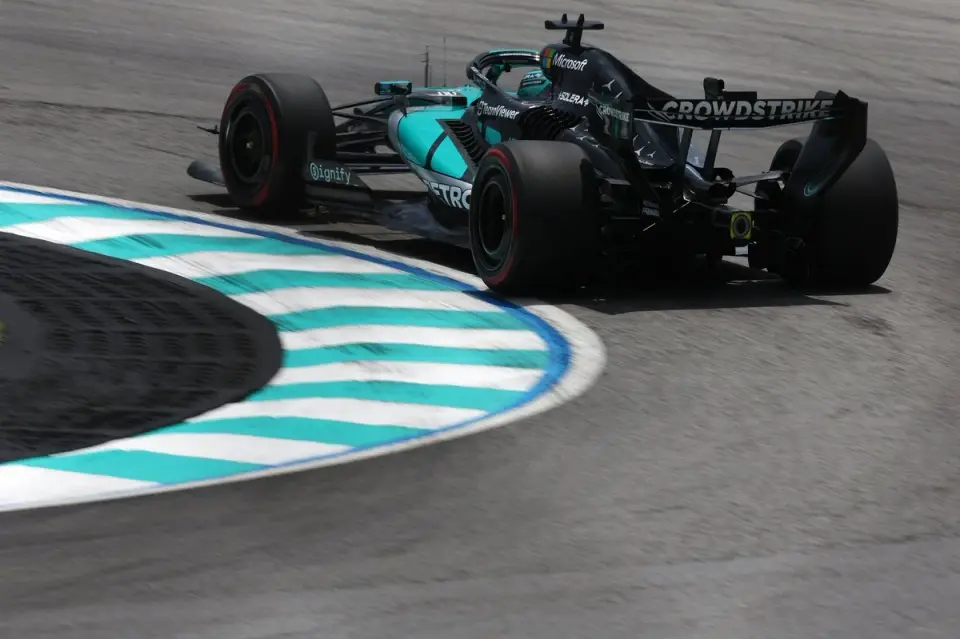
The 2026 Bahrain Grand Prix, relocated to Sepang, Malaysia, faced severe track degradation during Friday practice. Pirelli reported that one-lap times were up to 4.5 seconds slower than simulations due to 'sandpaper' tarmac shedding stones. While the surface is degrading rapidly, officials deem it manageable for safety, though it may alter qualifying versus race performance balances.
Key points
- Pirelli chief engineer Simone Berra confirmed that Friday practice laps were up to 4.5 seconds slower than expected due to low grip and rough tarmac.
- The 5.35km Sepang circuit shed stones during practice, requiring FIA sweeper trucks to clean the track multiple times after FP2.
- Charles Leclerc, who topped the day, described the track as 'very dirty' and 'slippery,' noting that conditions will likely evolve significantly by race day.
- Berra warned that degradation may worsen during the race due to high temperatures and multiple cars running together, potentially creating a discrepancy between qualifying and race pace.
- The event is a substitute for the cancelled Bahrain race, with Sepang’s rough surface mirroring the abrasive nature of the usual Sakhir venue.
Background
The 2026 Bahrain Grand Prix was relocated to Sepang, Malaysia, following a nine-year hiatus for the circuit, due to conflicts in the Middle East. The event has been designated a heat-hazard race, with forecast temperatures between 31C and 33C. Previous archive coverage noted concerns about the track’s rough surface and potential for rain, which aligns with the current reports of tarmac degradation and high tyre wear observed during practice.
How outlets are covering it
Motorsport.com provides detailed technical insights from Pirelli, highlighting the 4.5-second deficit and the specific issue of stones shedding from the tarmac. They emphasize the strategic implications for teams balancing qualifying versus race setups. ESPN’s source was inaccessible (403 error), so no comparative perspective could be extracted. The primary source notes that while the track is degrading, it is not a safety concern, a nuance not present in the inaccessible secondary source.
Why it matters
The extreme track degradation at Sepang introduces significant uncertainty into the 2026 Bahrain Grand Prix. A 4.5-second gap between simulations and actual performance indicates that teams may have misjudged their setups, potentially leading to unexpected results in qualifying and the race. The rapid deterioration of the tarmac could favor teams with better long-run consistency over those optimized for single-lap pace, adding a layer of strategic complexity to an already challenging event.
What to watch
Teams will need to adapt their setups for Saturday’s qualifying and Sunday’s race, focusing on managing tyre temperatures and avoiding sliding on the rough surface. The FIA will likely continue to monitor track conditions and deploy sweeper trucks as needed. The race may see a different pecking order compared to practice, as cars optimized for race stints may outperform those tuned for qualifying.
- Why extremely rough Sepang was over four seconds slower than Pirelli's F1 simulations Motorsport.com
- Why is the Bahrain Grand Prix taking place in Malaysia, 4,000 miles away? F1's unusual race explained ESPN
- F1 steps back in time. Plus: Verstappen leads early in Not Bahrain The New York Times
- All the stories that got the Malaysia paddock talking Formula 1
- Bahrain Grand Prix in Malaysia practice, qualifying and race times, UK times, plus weather forecast BBC
Want the full story? Read the original reporting
Read on Motorsport.com