
Heyward Condemns Franchise Tag as 'Stupid' Amid Porter Jr. Contract Standoff
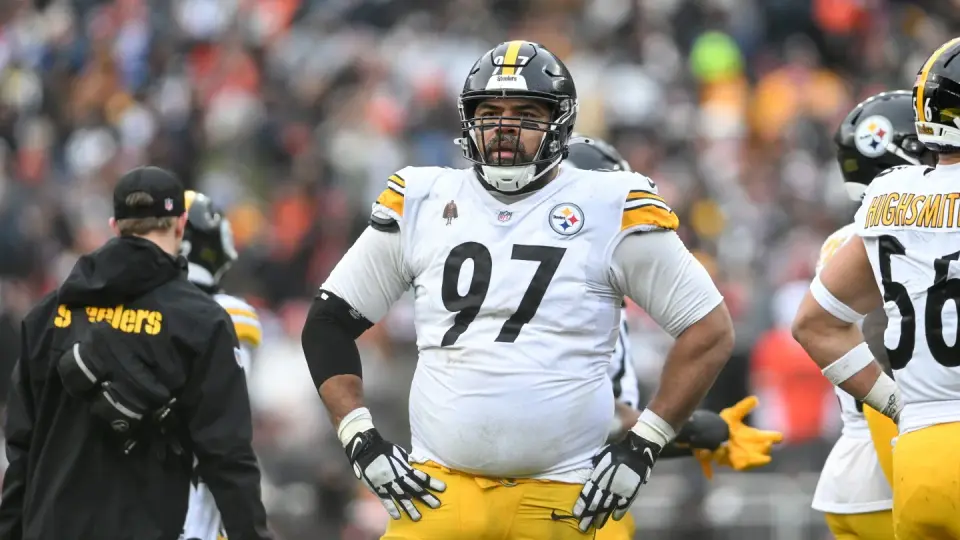
Cam Heyward, a Steelers defensive end and NFLPA executive, has publicly criticized the NFL franchise tag as 'stupid,' arguing it allows teams to exploit players and suppress market rates. His comments come as his teammate, cornerback Joey Porter Jr., faces a contract deadline before the season opener against the Atlanta Falcons. Heyward, who serves as the Steelers' NFLPA representative, advised Porter to remain focused despite the stalemate, noting that the team often delays negotiations until the final hours before the season begins. The dispute highlights a significant gap between the franchise tag value and the current market rate for elite cornerbacks, with Heyward suggesting the current system is 'backward' and hampers player earnings. While the Steelers have a history of last-minute deals, the potential use of the tag on Porter could force him into a 'hold-in' scenario, as traditional holdouts are now financially punitive under the current collective bargaining agreement.
Key points
- Cam Heyward described the franchise tag as 'stupid' and 'backward,' stating it hampers players by allowing teams to take advantage of them for one year without competing on the open market.
- The 2026 non-exclusive franchise tag for cornerbacks is valued at approximately $21.61 million, which is more than $12 million below the current market rate of $33.75 million for top players at the position.
- Joey Porter Jr. faces a contract deadline before the Steelers' season opener against the Atlanta Falcons, with the team maintaining a policy of not negotiating once the regular season begins.
- Heyward, who has undergone five contract negotiations in his 16-year career, advised Porter to 'keep his head up' and stay ready, emphasizing that the Steelers often finalize deals in the final hours before the season starts.
- The current collective bargaining agreement, which expires in March 2031, makes traditional holdouts rare due to $50,000 daily fines, leading players like Porter to 'hold in' while negotiations continue.
Background
This dispute follows weeks of speculation regarding Joey Porter Jr.'s future with the Steelers. Earlier reports indicated that while Porter could potentially become the highest-paid cornerback in the NFL, Steelers beat writer Ray Fittipaldo predicted a deal closer to $28 million per year, noting that the team might use the franchise tag as leverage if negotiations stalled. The current situation reflects a broader tension in the league, where the franchise tag formula, changed in 2011 to a five-year average of cap percentage, often fails to reflect current market values, as seen with other players like George Pickens.
How outlets are covering it
NBC Sports and the Pittsburgh Post-Gazette both report on Heyward's criticism of the franchise tag but emphasize different aspects. NBC Sports focuses on the systemic failure of the tag formula, citing specific examples like George Pickens and Joey Porter Jr. to illustrate how the tag value lags significantly behind market rates, suggesting the system is 'backward.' The Post-Gazette, however, frames the issue through the lens of the Steelers' internal culture and negotiation history, highlighting Heyward's personal experience with last-minute deals and his advice to Porter. While NBC Sports questions whether the NFLPA would strike over the tag, the Post-Gazette notes that Heyward acknowledges the 'sticking points' in the current collective bargaining agreement but remains optimistic about eventual resolution. Both sources agree that the tag creates a disadvantage for players but differ in their focus on the structural versus cultural implications of the dispute.
Why it matters
The franchise tag controversy underscores the ongoing power imbalance in NFL labor relations, where teams can leverage the tag to suppress market rates and force players into suboptimal deals. For Joey Porter Jr., the outcome of this negotiation could set a precedent for how elite cornerbacks are valued in the current market, potentially affecting future contracts for other top players. Additionally, the Steelers' strategy of delaying negotiations until the final hours before the season begins raises questions about the impact of contract uncertainty on team performance and player focus. As the collective bargaining agreement approaches its expiration in 2031, this dispute may become a focal point for future labor negotiations, potentially leading to changes in how the franchise tag is calculated or used.
What to watch
The immediate next step is the Steelers' season opener against the Atlanta Falcons, where the status of Joey Porter Jr.'s contract will be a key factor. If no deal is reached, the Steelers may use the franchise tag on Porter for the 2027 season, which could lead to a 'hold-in' scenario where Porter plays while negotiations continue. The NFLPA may also use this dispute to highlight the need for changes to the franchise tag formula in future collective bargaining negotiations. Additionally, the Steelers' ability to finalize other contracts before the season begins will be a test of their negotiation strategy and the impact of the franchise tag on the broader market.
- Cam Heyward blasts "stupid" franchise tag NBC Sports
- Steelers' Cam Heyward not a fan of NFL's 'stupid' franchise tag ESPN
- Steelers veteran blasts NFL franchise tag, calls it 'stupid' Yahoo Sports
- Cam Heyward can relate to Joey Porter Jr.'s ongoing contract stalemate with the Steelers Pittsburgh Post-Gazette
- Report: Steelers made an offer to Joey Porter Jr., but sides aren’t close NBC Sports
Want the full story? Read the original reporting
Read on NBC Sports