
House tweaks college sports bill as Cruz pushes final deal before Democratic takeover
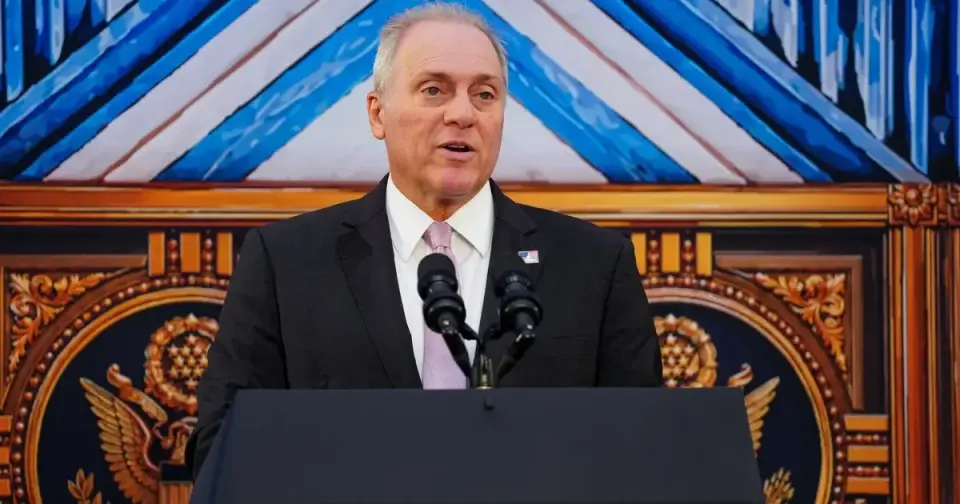
The House is preparing to vote on a modified version of the Protect College Sports Act, which passed the Senate 77-22 last month. Key changes include allowing conference expansion to 22 teams and restricting student fee subsidies for high-revenue schools. Senator Ted Cruz is negotiating with Democrats to secure passage before the lame-duck session ends, as a new Democratic Congress in January is expected to kill the bill. Proponents, including President Trump and NCAA leaders, argue the bill is necessary to stabilize college sports, while critics and some Democrats oppose the antitrust exemption, arguing it reduces player rights and shields institutions from lawsuits.
Key points
- The House version of the Protect College Sports Act allows conference expansion to 22 teams, up from 20 in the Senate version, and bans schools with over $50 million in media revenue from using student fees to subsidize sports.
- Senator Ted Cruz is negotiating with House Democrats, including the Congressional Black Caucus, to secure passage before the lame-duck session ends, proposing additional funding for HBCUs and student loan forgiveness to win support.
- The bill passed the Senate 77-22 last month but faces opposition in the House from Democrats and some Republicans, with the NCAA urging members to contact their representatives as soon as possible.
- President Trump and proponents argue the bill is necessary to prevent college sports from collapsing, while critics, including NBC Sports' Michael Florio, oppose the antitrust exemption, arguing it reduces player rights and shields institutions from lawsuits.
- The House is expected to consider the bill as soon as November 30, with House Majority Leader Steve Scalise saying the House will make 'very narrow changes' and be 'ready to go' in December.
Background
The Protect College Sports Act has been a bipartisan effort to regulate college sports, including transfer portal restrictions and rules on athlete pay. The bill passed the Senate 77-22 last month but faces a tougher road in the House, where Democrats and some Republicans have expressed concerns. The bill's fate is uncertain, as a new Democratic Congress in January is expected to kill the legislation. The NCAA and proponents, including President Trump, argue the bill is necessary to stabilize college sports, while critics oppose the antitrust exemption, arguing it reduces player rights and shields institutions from lawsuits. The bill's passage is seen as a last-chance effort to secure the legislation before the lame-duck session ends.
How outlets are covering it
Semafor reports that Senators are pushing House leaders to give the bill an 'up-or-down vote' and that Senate Majority Leader John Thune suggested the House could try to pass the bill on its suspension calendar, requiring a two-thirds majority vote, if there's too much internal GOP opposition. NBC Sports criticizes the bill as a 'magic wand' that would allow antitrust violations to occur without consequence, arguing that the bill reduces player rights and shields institutions from lawsuits. Yahoo reports that Senator Ted Cruz is negotiating with House Democrats, including the Congressional Black Caucus, to secure passage before the lame-duck session ends, proposing additional funding for HBCUs and student loan forgiveness to win support. AP News reports that the House version of the bill allows conference expansion to 22 teams and bans schools with over $50 million in media revenue from using student fees to subsidize sports, with the NCAA urging members to contact their representatives as soon as possible.
Why it matters
The fate of the Protect College Sports Act will determine the future of college sports regulation, including transfer portal restrictions, athlete pay, and conference expansion. The bill's passage would lock in rules that regulate how athletes are paid and build in protections for Olympic sports, while its failure would leave college sports in a state of flux, with no clear rules governing the industry. The bill's passage is also seen as a test of the new Democratic Congress's ability to pass legislation, as the bill is expected to be killed in the new Congress. The bill's passage would also have implications for the NCAA and its member schools, as the bill would provide an antitrust exemption that would shield institutions from lawsuits.
What to watch
The House is expected to consider the bill as soon as November 30, with House Majority Leader Steve Scalise saying the House will make 'very narrow changes' and be 'ready to go' in December. Senator Ted Cruz is negotiating with House Democrats to secure passage before the lame-duck session ends, proposing additional funding for HBCUs and student loan forgiveness to win support. The bill's passage is uncertain, as a new Democratic Congress in January is expected to kill the legislation. The NCAA and proponents, including President Trump, are urging members to contact their representatives as soon as possible, while critics are opposing the antitrust exemption, arguing it reduces player rights and shields institutions from lawsuits.
- Exclusive / Senators fret over fate of college sports bill Semafor
- Revised Protect College Sports Act allows conferences to expand up to 22 schools ESPN
- The Protect College Sports Act proponents are getting desperate NBC Sports
- Ted Cruz Negotiates With Democrats in Last-Chance Effort to Save College Sports Bill Yahoo
- House to debate slightly tweaked version of Protect College Sports Act AP News
Want the full story? Read the original reporting
Read on Semafor