
NYC Marathon 50th Anniversary Sparks Debate Over Cost, Access, and Local Disruption
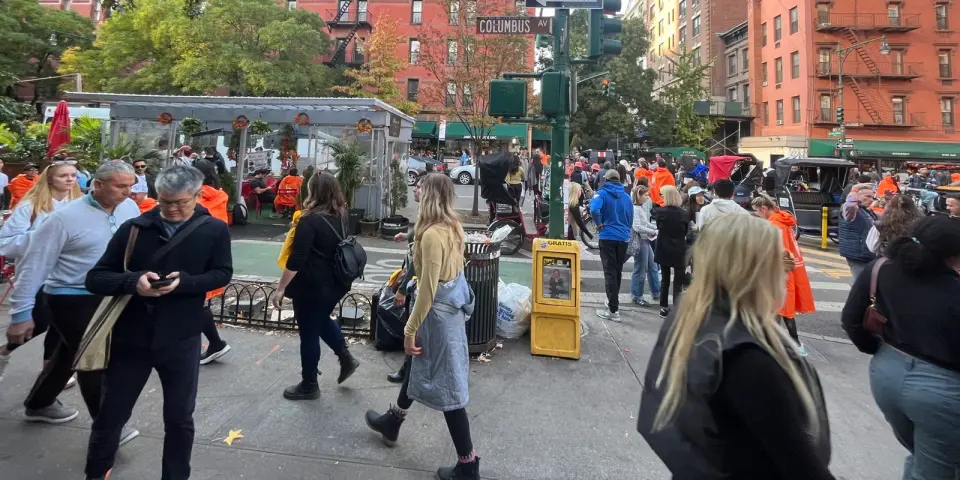
The 2026 New York City Marathon, marking 50 years of its five-borough course, is generating significant controversy. While the event raises over $100 million for charities and generates $800 million in local spending, critics cite rising costs, reduced accessibility for regular runners, and severe neighborhood disruptions. New York Road Runners (NYRR) defends its changes as necessary for managing record demand, but faces backlash from local residents and grassroots running clubs.
Key points
- The race is scheduled for November 1, 2026, coinciding with the 50th anniversary of the five-borough route.
- NYRR reports record applications of over 240,000, with a lottery acceptance rate of approximately 1%.
- Total charity fundraising is projected to exceed $100 million, with NYRR revenue reaching $133 million.
- The 9+1 program, which previously guaranteed entry for local runners, is being overhauled into a lottery system.
- Course alterations in the Bronx aim to restore access for local businesses and residents.
Background
Previous coverage noted that the 2026 race includes a 15-year-first alteration to the Bronx route to improve local access. The event is part of a broader trend of mass participation races facing logistical and financial pressures.
How outlets are covering it
West Side Rag highlights the negative impact on Upper West Side residents, describing the event as a 'nightmare' due to traffic closures and noise, while dismissing the medal as a 'participation trophy.' Conversely, CNBC details the high financial barrier to entry, noting one runner spent over $1,100 on gear and fees, though they found the training gratifying. New York Magazine focuses on the structural conflict between NYRR and grassroots clubs, with critics accusing the organization of becoming a 'money grab' that prioritizes charity runners over regular participants. NYRR CEO Rob Simmelkjaer counters these claims, stating that the organization reinvests 87% of revenue into community programs and that changes are necessary to manage unprecedented global demand, citing a similar drop in acceptance rates for the London Marathon.
Why it matters
The marathon serves as a major economic engine for New York City, but the tension between commercialization, accessibility, and local quality of life highlights broader issues in urban event management. The debate over who gets to run, and at what cost, reflects growing concerns about the exclusivity of traditional public sporting events.
What to watch
The race will take place on November 1, 2026. NYRR is expected to monitor the impact of its new entry systems and course changes, while local groups may continue to advocate for better access and reduced disruption. Future discussions may involve potential competitors like NYCRuns, which is exploring a new multi-borough marathon.
- I Hate The New York City Marathon West Side Rag
- The NYC Marathon Is as Popular as Ever. It Remains Inaccessible to Many. The New York Times
- Just 1% of Runners Who Applied to NYC Marathon Lottery Got In Bloomberg.com
- I spent more than $1,100 to run the New York City Marathon—here’s what was worth the money CNBC
- The Race to Race New York Magazine
Want the full story? Read the original reporting
Read on West Side Rag