
UW Huskies Sign Record $70M Deal to Rename Husky Stadium
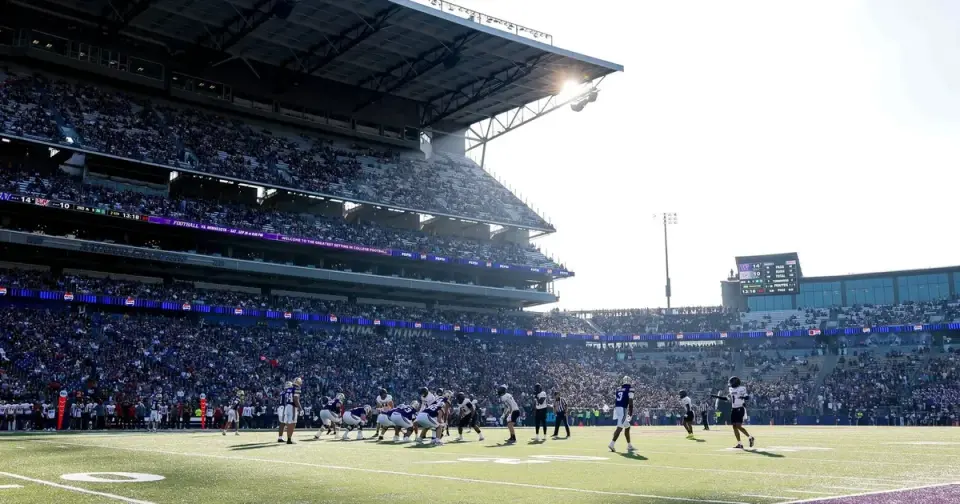
The University of Washington has agreed to a historic 10-year, $70 million naming rights deal with Columbia Bank, which will rename Husky Stadium to Columbia Bank Stadium starting January 1, 2027. The agreement, valued at $7 million annually, is the largest college football stadium naming rights deal in history. This deal replaces the previous naming rights held by Alaska Airlines for the field, which declined to renew. The partnership includes broader initiatives for student financial literacy and athlete development, and is pending approval by the UW Board of Regents.
Key points
- Columbia Bank will pay $70 million over 10 years for naming rights to Husky Stadium, making it the largest such deal in college football history.
- The new name, Columbia Bank Stadium, will take effect on January 1, 2027, with phased signage changes.
- The deal is part of a broader partnership that includes financial literacy programs, athlete wellness initiatives, and community engagement across UW campuses.
- Alaska Airlines previously held naming rights for the field at Husky Stadium but declined to renew; it recently signed a separate 10-year, $28.4 million deal for Hec Edmundson Pavilion.
- The agreement is pending approval by the UW Board of Regents and was facilitated by One Roof Sports & Entertainment.
Background
This deal follows a trend of major college sports venues securing large corporate naming rights, as seen recently with UConn’s M&T Bank Center at Gampel Pavilion. It also reflects the evolving landscape of college athletics, where universities seek sustainable revenue streams amid changes in the sport. The previous naming rights for Husky Stadium were held by Alaska Airlines under a 2015 deal that included both the stadium and Hec Edmundson Pavilion, but the airline only renewed the arena rights in March 2026.
How outlets are covering it
The Seattle Times and Sports Business Journal emphasize the financial record of the deal, highlighting its $70 million value and status as the largest in college football history. Seattle Sports notes the total revenue from both stadium and arena naming rights will exceed $98 million over the next decade. UW Athletics frames the deal as a comprehensive partnership extending beyond naming rights, focusing on student financial health and community impact. Columbia Bank’s president, Chris Merrywell, stresses the long-term commitment to the region and educational access. All sources agree on the deal’s size and timeline, but differ in emphasis: media outlets focus on the financial record, while UW and Columbia highlight the broader institutional and community benefits.
Why it matters
This deal sets a new benchmark for college football stadium naming rights, signaling the growing commercialization of college athletics. It provides UW with significant long-term revenue to support student-athletes and programs, while also reflecting the increasing influence of corporate partnerships in higher education. The deal may influence other universities to pursue similar large-scale agreements, potentially reshaping the financial landscape of college sports.
What to watch
The deal is pending approval by the UW Board of Regents. If approved, the name change will take effect on January 1, 2027, with phased implementation of signage and branding. The university and Columbia Bank will begin rolling out the various partnership initiatives, including financial literacy programs and athlete wellness projects, over the coming months.
- Washington sells Husky Stadium naming rights to Columbia Bank The Seattle Times
- Husky Stadium to be renamed after UW strikes historic deal Seattle Sports
- University Of Washington And Columbia Bank Announce Comprehensive 10-Year Partnership, Establishing Columbia Bank Stadium University of Washington Athletics
- Washington sells football stadium naming rights to Columbia Bank Sports Business Journal
- Husky Stadium is getting a new name and sponsor from Columbia Bank Yahoo Sports
Want the full story? Read the original reporting
Read on The Seattle Times