
Briatore’s public accusations of FIA bias spark legal and reputational crisis
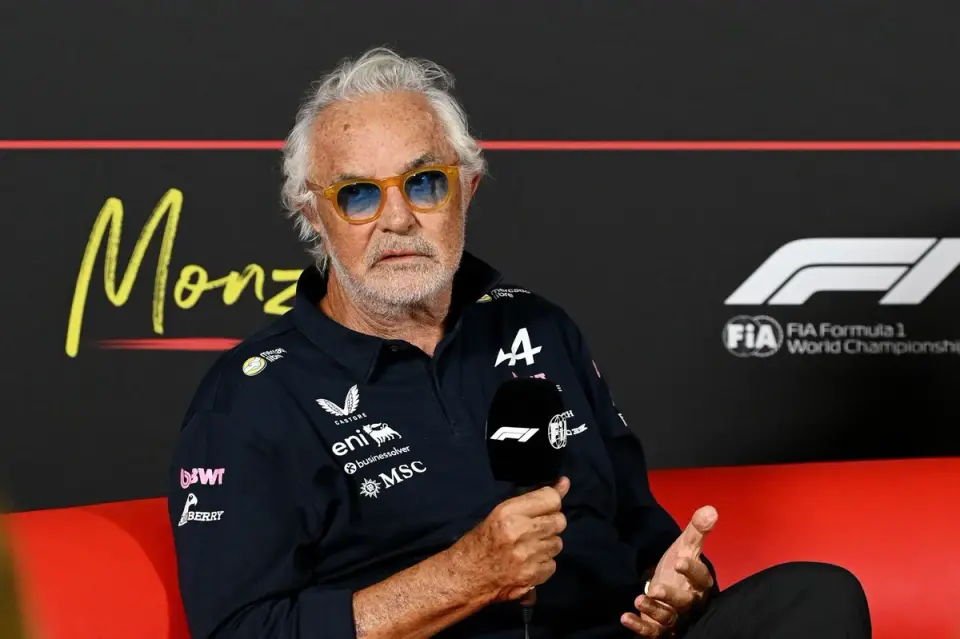
Alpine executive Flavio Briatore publicly accused an FIA judge of bias in the Monaco Grand Prix appeal, claiming links to McLaren. The FIA and McLaren rejected the claims as unfounded, with the court reaffirming its impartiality. The dispute stems from Pierre Gasly’s demotion from third to seventh place after pit-lane penalties were reinstated, triggering a legal and reputational standoff between the teams.
Key points
- FIA Court of Appeal reversed a prior decision, reinstating two pit-lane speeding penalties for Alpine’s Pierre Gasly at the Monaco Grand Prix, demoting him from third to seventh place.
- Flavio Briatore, Alpine’s executive adviser, publicly accused judge Filippo Marchino of bias, citing a 2018 charity event and car donations from McLaren Group shareholder Mansour Ojjeh.
- The FIA issued a statement confirming judges undergo annual interest disclosures and sign case-specific independence declarations, noting no objections were raised by parties during the hearing.
- McLaren team principal Andrea Stella condemned the allegations as 'insulting' and warned of potential consequences, citing FIA sporting code Article 1.1.1.
- The ruling elevated Red Bull’s Isack Hadjar to third and McLaren’s Oscar Piastri to fourth in the final Monaco standings.
Background
The dispute originated from incorrect pit-lane timing measurements at the Monaco Grand Prix, which led to multiple drivers receiving speeding penalties. Alpine initially succeeded in an appeal to have Gasly’s penalties dropped, but the FIA Court of Appeal reversed this, citing fairness in applying consistent measurements across all competitors. This follows a broader pattern of Briatore’s involvement in F1 controversies, including a prior lifetime ban for race-fixing that was later overturned.
How outlets are covering it
Autosport frames the incident as a chaotic press conference breakdown, noting Briatore’s 'barely coherent' rant and security intervention, while questioning the tenuousness of the alleged McLaren links. BBC and The Guardian emphasize the formal rebuttals: the FIA’s procedural defense and McLaren’s anger over the public nature of the accusations. All sources agree the judge’s connection to McLaren is indirect (via a charity and automotive division, not the racing team), but differ in tone—Autosport highlights the legal risk to Briatore, while BBC and The Guardian focus on the institutional response and team dynamics.
Why it matters
The incident exposes vulnerabilities in FIA’s judicial transparency and the potential for reputational damage from public accusations. It tests the integrity of F1’s appeal process and could set precedents for how teams handle disputes, potentially affecting future governance and team relationships.
What to watch
The FIA may review Briatore’s conduct under Article 151(C) of the sporting code, which addresses bringing the sport into disrepute. Marchino may pursue defamation claims, as the burden of proof lies with the accuser. The teams are expected to resolve the matter privately, but the fallout could influence FIA’s judicial procedures and team conduct policies.
- What next after Briatore’s explosive McLaren rant? Autosport
- Alpine's Pierre Gasly stripped of Monaco GP podium after McLaren and Red Bull win appeal ESPN
- FIA court of appeal refutes Flavio Briatore impartiality claims BBC
- McLaren and Alpine F1 teams at odds after Briatore outburst over appeal The Guardian
- What's next after Briatore's press conference bombshell the-race.com
Want the full story? Read the original reporting
Read on Autosport