
FAA to Ground Reagan National Flights for Three Hours During DC Grand Prix
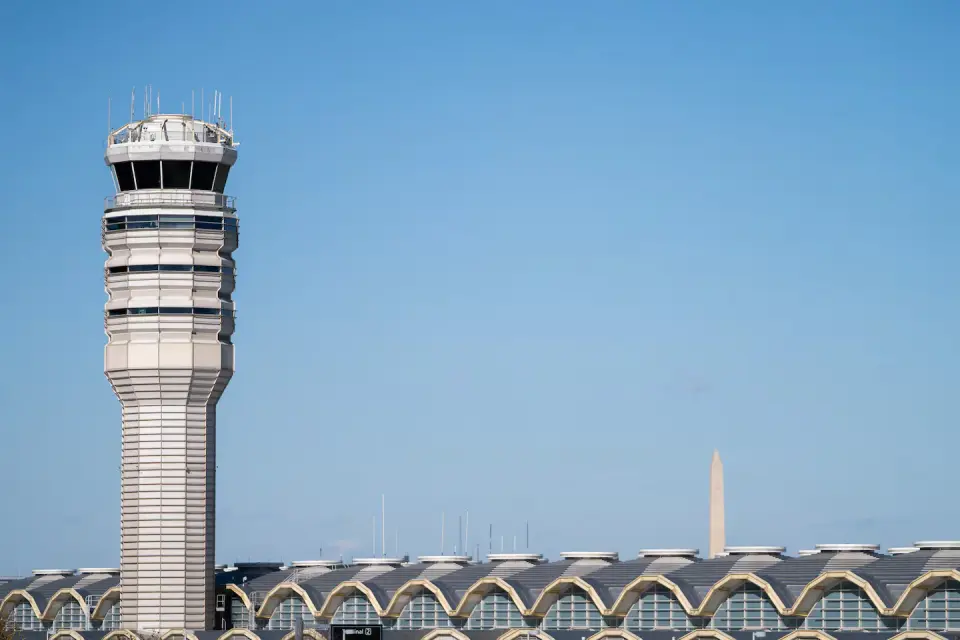
The Federal Aviation Administration plans to impose a three-hour ground stop at Reagan National Airport on August 23 to accommodate the Freedom 250 Grand Prix street race in Washington, D.C. The event, organized by Bud Denker, requires extensive logistical coordination, including 1,300 pages of permits and modifications to city infrastructure like manhole covers. While the race aims to celebrate the nation's 250th anniversary, it has raised concerns about air traffic safety and local disruptions, with the FAA already reviewing recent separation incidents near the airport.
Key points
- FAA expects to halt flights at Reagan National for at least three hours on August 23 for the race.
- The move is already affecting dozens of flights in advance of the event.
- Bud Denker, president of Penske Corporation, oversaw the seven-month planning process for the track.
- The race requires 1,300 pages of permits and involves welding shut manhole covers to prevent them from being lifted by car downforce.
- Trump issued an executive order in January to support the event, which is part of the 250th-anniversary celebrations.
Background
This development follows recent FAA reviews of air traffic safety incidents near Reagan National, including a Marine One near-miss in August 2026. Earlier in July, President Trump hosted a White House showcase for the Freedom 250 Grand Prix, featuring drivers like Alex Palou and Felix Rosenqvist, and previewing the 1.66-mile circuit. The race is part of broader national celebrations for the United States' 250th anniversary.
How outlets are covering it
The Washington Post focuses on the immediate operational impact, highlighting the FAA's decision to ground flights at Reagan National for three hours on August 23 and the resulting disruptions to dozens of flights. In contrast, Axios emphasizes the logistical and political challenges faced by organizer Bud Denker, detailing the seven-month planning process, the need for 1,300 pages of permits, and the physical modifications to D.C. streets, such as welding manhole covers. While The Post underscores the regulatory and safety implications for air travel, Axios highlights the behind-the-scenes efforts to navigate federal and local regulations, including the shift from a Capitol-centric track to a National Mall route after congressional approval failed.
Why it matters
The ground stop at Reagan National underscores the tension between major public events and air traffic safety in a densely populated area. The FAA's proactive halt, combined with recent reviews of separation incidents, highlights ongoing concerns about airspace management near D.C. airports. Additionally, the extensive logistical efforts required for the race, including infrastructure modifications and permit approvals, illustrate the complexity of hosting large-scale events in urban environments with strict regulatory frameworks.
What to watch
The FAA will implement the three-hour ground stop at Reagan National on August 23, coinciding with the Freedom 250 Grand Prix. Organizers will continue to manage on-site logistics, including heat relief centers at Smithsonian museums and traffic management around the course. The event is expected to draw 280,000 attendees, with most holding free tickets, while premium suites and club tickets command higher prices. Post-race, the FAA may further assess air traffic safety protocols in light of the event's impact on Reagan National operations.
- FAA to halt flights at Reagan National for Trump’s Grand Prix race The Washington Post
- D.C.-Area Airport to Close for 3 Hours for Grand Prix Event The New York Times
- DCA flights will pause for hours for the Freedom 250 Grand Prix WUSA9
- FAA to pause flights at Washington airport to support Freedom 250 Grand Prix Reuters
- Meet the fixer who brought IndyCar to Washington Axios
Want the full story? Read the original reporting
Read on The Washington Post