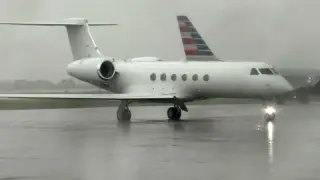
The FAA will impose a three-hour ground stop at Reagan National Airport on August 23 to accommodate the Freedom 250 Grand Prix street race in Washington, D.C., causing flight disruptions in the D.C. area.
Investigators are examining why a plane was allowed to take off from Reagan National Airport as President Trump’s helicopter was approaching, looking into possible miscommunications or procedural gaps in airspace management; no injuries reported and authorities are reviewing aviation safety procedures.
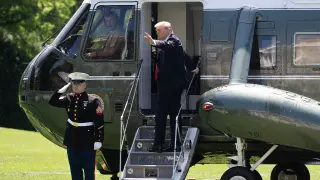
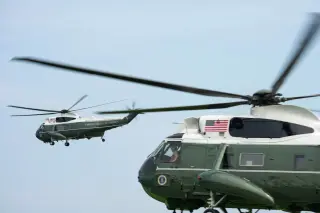
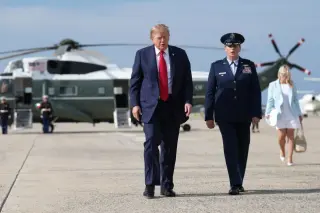
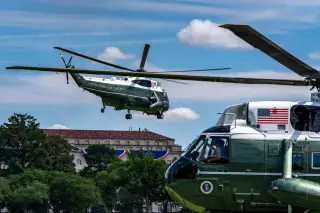
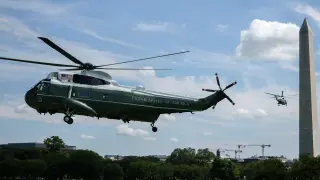
The FAA is reviewing a safety incident in which Marine One departed the White House while an Envoy Air Embraer 170 bound for Pensacola reportedly did not maintain separation near Reagan National Airport; officials said it did not appear to be a dangerous close call, but the agency will convene a Safety Review Team to assess whether the required 1.5 miles horizontal and 500 feet vertical separation was observed, noting that Reagan National traffic rules have tightened after a 2025 fatal crash and that commercial traffic is typically halted when Marine One is in flight near the airport.
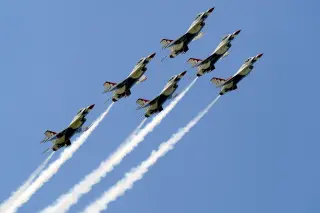
Reagan National Airport will close Friday from 10 a.m. to 1 p.m. for rehearsals ahead of America 250 celebrations, with Wings of Freedom demonstrations and low-flying military aircraft around DC, Arlington and Alexandria; Saturday’s FAA closure runs noon to midnight for the full celebration along the National Mall with flyovers and appearances by Air Force One, the Thunderbirds, Blue Angels, tri-bomber formations and B-2 stealth bombers.
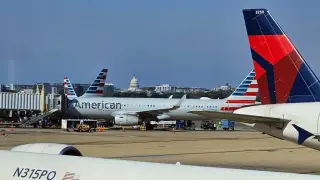
America 250 celebrations in downtown DC will cause temporary airspace closures around Reagan National Airport (DCA), with schedule adjustments and possible flight holds on dates including June 24-25, June 28, July 3-4, July 10, and August 22-23. July 3-4 will see the most impact, including hours with no DCA flights in the early afternoon on July 3 and after noon on July 4; operations may resume July 5. Passengers should check with their airline and visit flyreagan.com for updates. Terminal concessions remain open, but parking is limited and there are no approved on-site fireworks viewing; Gravelly Point may be accessed via marked signage.
The FAA’s feasibility review concludes that Trump’s proposed 250-foot Independence Arch near Reagan National Airport would not pose a significant risk to airspace or procedures, but due to its height it would need red obstruction lights and a full aeronautical study before construction; the plan has advanced with oversight from federal planners amid concerns about political influence on safety reviews.
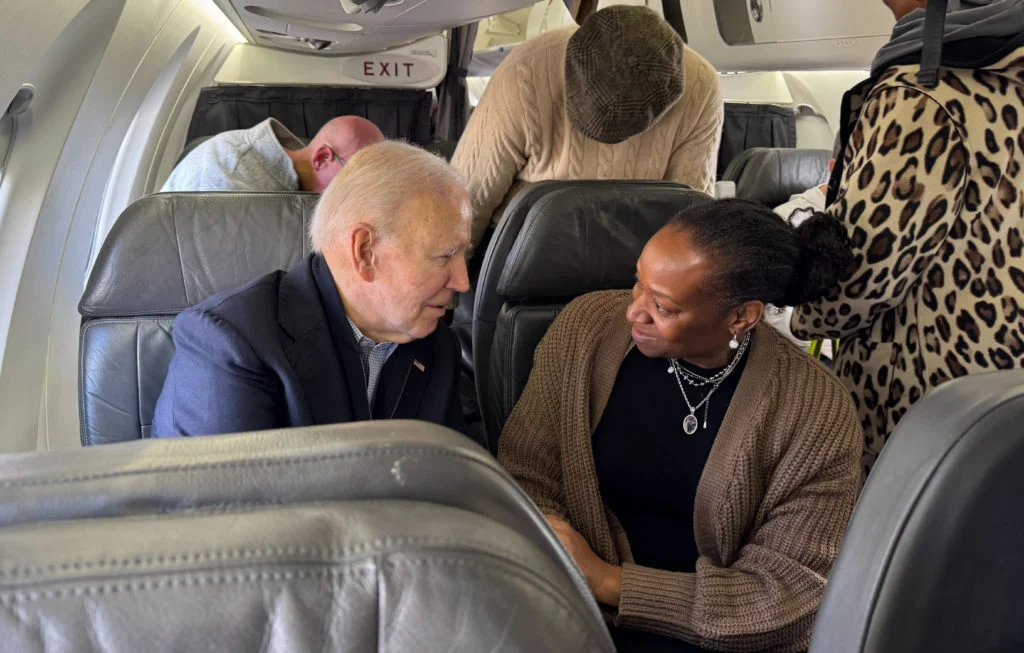
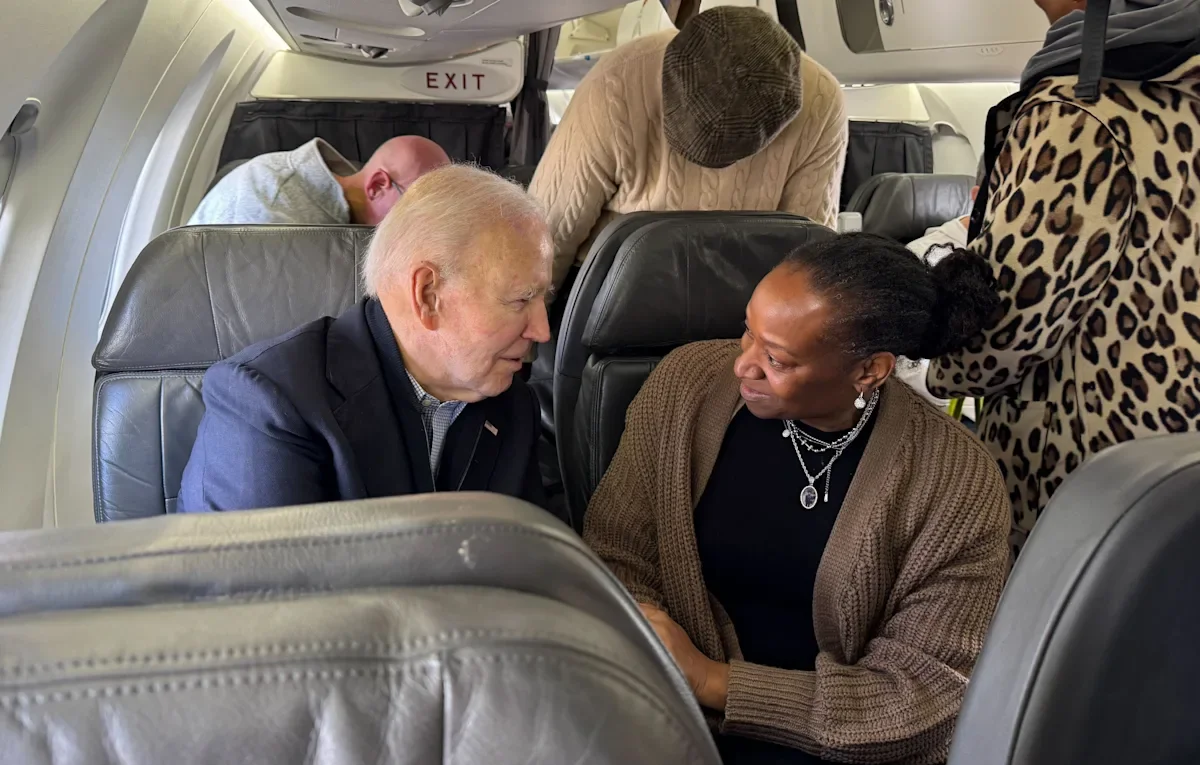
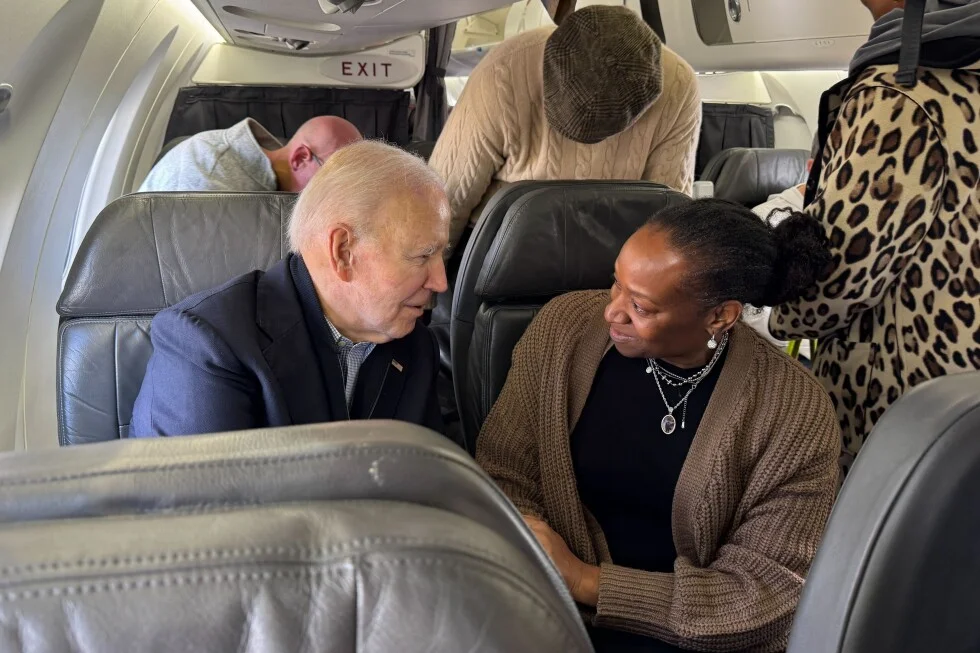
Former President Joe Biden flew commercially from Reagan National to South Carolina but was slowed by an hourlong ground stop caused by fog, traveling with his security detail and engaging with fellow passengers, showing that presidential travel can resemble ordinary air travel.
Former President Joe Biden flew commercially from Reagan National Airport to South Carolina, but fog caused an hourlong ground stop that delayed hundreds of travelers. Biden traveled with Secret Service protection and sat among ordinary passengers, highlighting that even presidents aren’t immune to ordinary travel delays.
Former President Joe Biden flew commercially from Reagan National Airport to South Carolina, joining everyday travelers on the flight; an AP photographer accompanied him, and Biden was later greeted by passengers in Columbia, with delays reflecting typical travel hassles.
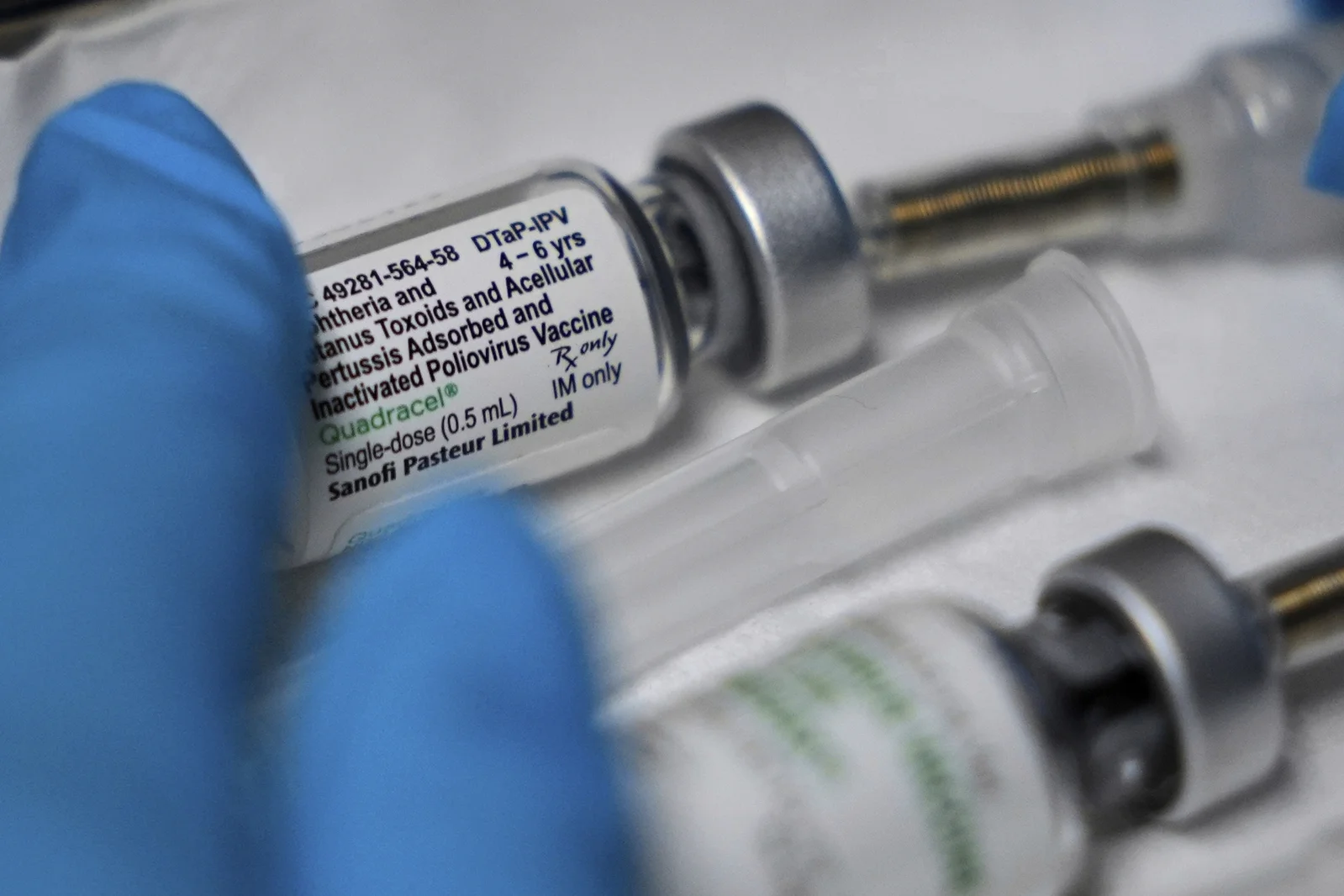
Three confirmed measles cases in the DC area have health officials warning of potential exposures at Reagan National Airport, Metro stations, Catholic University, Union Station, and the March for Life; individuals should verify vaccination status, monitor for symptoms for up to 21 days, and contact health authorities if exposed.
Virginia health officials warn of a measles exposure linked to Reagan National Airport after a preschool-age traveler with measles went through the airport on Jan. 26 and rode a Yellow Line Metro train; the Virginia Dept. of Health also lists Heathcote Health Center exposure on Jan. 29. Officials are tracing potential exposures; people who were at these sites at the specified times should report exposures to VDH, verify their MMR vaccination status, and monitor for symptoms for 21 days; those not fully vaccinated should contact a healthcare provider. Most Virginians are protected by vaccination, and the expected illness window is through Feb 19, 2026.
One year after the Jan. 29, 2025 Potomac collision that killed 67 people, families and first responders recount their losses as authorities outline safety reforms: the NTSB cited a dangerously narrow 75-foot vertical separation between the helicopter route and the jet path, along with faulty helicopter altimeters and overreliance on visual separation with night vision gear; in response, the FAA has closed Route 4, re-routed helicopter traffic, banned visual separation within five miles of Reagan National, and issued nearly 50 recommendations with a final NTSB report pending.
The US government acknowledged some failures and accepted liability in the deadly Jan. 29 mid-air collision over the Potomac River involving a military helicopter and a commercial jet, while denying certain claims of negligence, as part of a civil lawsuit filed by the victims' families.
The US government has admitted responsibility for failures by Army pilots and air traffic controllers in the January 29 midair collision near DC that killed 67 people, as part of a court case brought by victims' families, highlighting collective government failures despite ongoing investigations.
Army helicopter pilots may have struggled to see a passenger jet before their collision near Reagan National Airport due to factors like light pollution, dim aircraft lights, and the limitations of night-vision goggles, which could have contributed to the tragic crash that killed 67 people.