
Kenyan NFL Pioneer Daniel Adongo Deported After Visa Overstay and Legal Issues
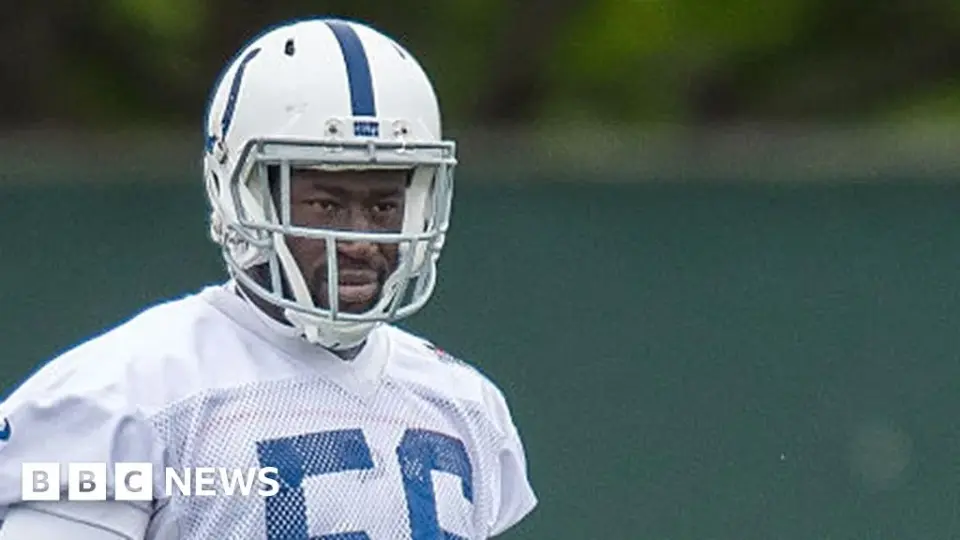
Daniel Ogama Adongo, the first Kenyan to play in the NFL, was deported from the US on June 20 after overstaying his visa and facing multiple criminal charges. ICE cited his removal as necessary due to his status as a 'dangerous individual,' while his legal team and family have raised concerns about his mental health and potential brain injuries.
Key points
- Daniel Ogama Adongo, 37, was removed from the US on June 20 after an immigration judge ordered his departure on March 23, 2026.
- Adongo played for the Indianapolis Colts from 2013 to 2015 after transitioning from rugby, becoming the first Kenyan to play in the NFL.
- ICE stated Adongo overstayed his visa in 2016 and was convicted of criminal mischief in 2020, resulting in a 364-day jail sentence.
- His legal team and family have cited mental illness and possible chronic traumatic encephalopathy (CTE) as factors in his legal troubles.
- ICE emphasized that Adongo's recent charges fall under the Laken Riley Act, which mandates detention for undocumented immigrants facing certain crimes.
Background
Adongo's case is part of a broader trend of deportations under the Laken Riley Act, which was signed into law by President Trump in January 2025. The act requires the detention of undocumented immigrants charged with or convicted of specific crimes, including theft and violent offenses. Adongo's case highlights the intersection of immigration enforcement and the legal and medical challenges faced by former athletes.
How outlets are covering it
ICE and the US Department of Homeland Security (DHS) portrayed Adongo as a 'dangerous individual' and emphasized his criminal history, including multiple arrests and a 2020 conviction. In contrast, Adongo's legal team and family, as reported by the Indianapolis Star and NBC News, highlighted his mental health issues and potential brain injuries, suggesting that his legal troubles were influenced by these factors. ABC News and NBC News noted that some of Adongo's charges were dismissed, while ICE focused on the convictions and the Laken Riley Act. The BBC and ABC News reported that Adongo has not commented on the allegations, and his current legal representation is unclear.
Why it matters
Adongo's deportation underscores the ongoing debates around immigration enforcement, the Laken Riley Act, and the treatment of undocumented immigrants with criminal histories. It also raises questions about the impact of sports-related injuries on athletes' legal and mental health, and the broader implications for former athletes in the US.
What to watch
Adongo's case may set a precedent for how the Laken Riley Act is applied to former athletes and other individuals with criminal histories. The outcome of his case could influence future immigration policies and the treatment of undocumented immigrants in the US. Additionally, the case may prompt further discussions about the mental health and legal support available to former athletes.
- US deports Kenyan former NFL player Daniel Adongo BBC
- First Kenyan-born NFL player deported, ICE says NBC News
- ICE deports former Indianapolis Colts linebacker Daniel Ogama Adongo ABC News - Breaking News, Latest News and Videos
- ICE Chicago removes former NFL player, criminal illegal alien from Kenya ICE | U.S. Immigration and Customs Enforcement (.gov)
- Daniel Adongo deported from US: ICE removes Daniel Adongo, former Indianapolis Colts linebacker ABC7 Chicago
Want the full story? Read the original reporting
Read on BBC