
Beyond the Mustang: The Forgotten Rivals That Defined the Pony Car Era
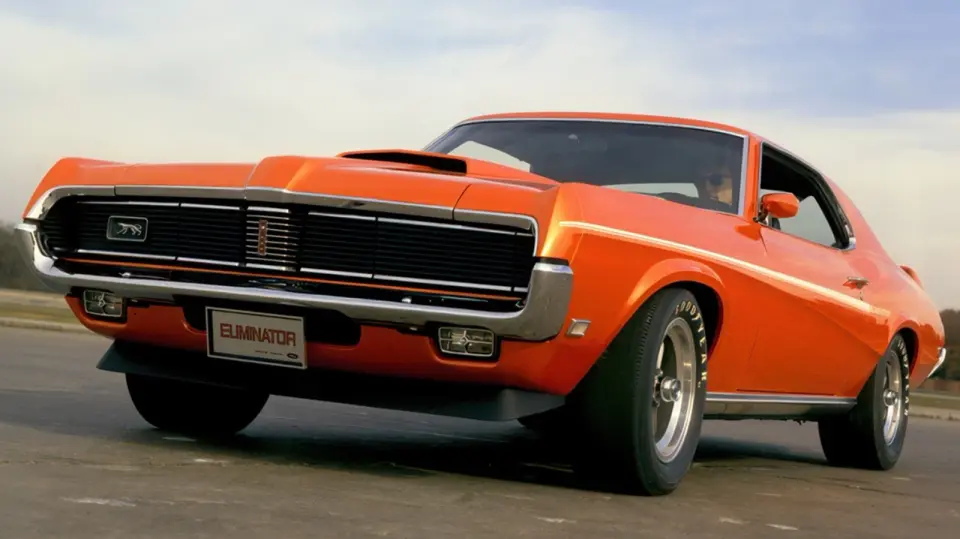
Jalopnik explores six non-Ford pony cars from the 1960s and 1970s, highlighting how the Mustang’s success triggered a competitive arms race among American automakers. The article details the engineering, performance, and market strategies of the Mercury Cougar, Plymouth Barracuda, Dodge Challenger, Chevrolet Camaro, Pontiac Firebird, and AMC Javelin, noting how each brand attempted to outdo Ford’s original low-cost performance formula.
Key points
- The Ford Mustang’s 1964 launch, which sold 400,000 units in its first year, prompted all major American automakers to develop competing pony cars within a few years.
- The Mercury Cougar, though based on the Mustang platform, featured a longer wheelbase, softer suspension, and higher-quality interiors, positioning it as a more comfortable, upscale alternative.
- Plymouth’s Barracuda initially lagged behind the Mustang but gained traction with the second generation and later adopted Chrysler’s E-body platform to offer high-performance Hemi engines, though only 652 Hemi variants were sold.
- The Dodge Challenger shared the E-body platform with the Barracuda but featured a wider body and aggressive styling, with the R/T trim offering significant performance upgrades to compensate for basic base suspension.
- Chevrolet’s Camaro, developed on a rushed schedule using the Nova platform, offered a wide range of engines, including the rare Z/28 and COPO variants, with the ZL1 producing approximately 500 horsepower.
- Pontiac’s Firebird, developed under John Z. DeLorean, focused on driver engagement with stiffer suspension and potent inline-six engines, while the Trans Am package added aerodynamic and performance enhancements despite not being a true SCCA homologation special.
Background
Recent coverage has highlighted the enduring legacy and high market value of rare pony cars, with ultra-rare models from the late 1960s and early 1970s fetching millions at auction. Additionally, Ford’s recent efforts to revive classic Mustang prototypes and plans for affordable rally-inspired vehicles underscore the continued cultural significance of the pony car segment. This article provides historical background on the competitors that shaped the era, offering context for the current collector market and Ford’s ongoing motorsports initiatives.
Why it matters
Understanding the competitive landscape of the 1960s and 1970s pony car segment provides insight into how American automakers responded to market trends and consumer demand for affordable performance. The engineering choices and marketing strategies of these rival models influenced the development of modern muscle cars and continue to impact the classic car collector market, where rare variants command premium prices.
What to watch
The article does not provide information on future developments, as it focuses on historical models from the 1960s and 1970s. However, the ongoing interest in classic pony cars and Ford’s recent motorsports initiatives suggest continued relevance and potential for future preservation or revival projects.
Want the full story? Read the original reporting
Read on Jalopnik