Tag

Muscle Cars

All articles tagged with #muscle cars

Barn-Born Beast: 1968 Plymouth Hemi GTX Convertible Heads to Mecum
cars2 days ago

Barn-Born Beast: 1968 Plymouth Hemi GTX Convertible Heads to Mecum

A barn-find 1968 Plymouth Hemi GTX Convertible—one of just 24 Hemi convertibles from 1968—was found in upstate New York after more than 50 years, retaining matching-numbers 426/425 hp Hemi V8 and TorqueFlite, with about 34k miles. It has undergone mechanical recommissioning (brake lines, fuel system, distributor, exhaust, radiator, etc.), a new top and interior, and will cross Mecum’s block later this month. The car exemplifies Plymouth’s ‘gentleman’s muscle car’ ethos and is among the era’s rarest production muscle cars.

Seven SUVs Powered by Muscle-Car V8s
automotive2 days ago

Seven SUVs Powered by Muscle-Car V8s

Seven SUVs fuse family-hauler practicality with muscle-car power: Cadillac Escalade-V with a 682-hp LT4, Dodge Durango SRT Hellcat with 710 hp, Jeep Grand Cherokee Trackhawk at 707 hp, Wrangler Rubicon 392 with 470 hp, Chevrolet Trailblazer SS with an LS2 6.0L (~395 hp), Saab 9-7X Aero with LS2 (~390 hp), and Chrysler Aspen offering 5.7L Hemi variants up to 376 hp. These models repurpose iconic V8s from classic American muscle cars for SUV duty, delivering extreme performance in family-oriented packages, though several are rare or out of production.

Six 1970s Automotive Giants That Belong Back on Modern Showrooms
automotive8 days ago

Six 1970s Automotive Giants That Belong Back on Modern Showrooms

A nostalgic look at six iconic 1970s machines—the Plymouth Superbird, Chevy K5 Blazer, International Harvester Scout II, Pontiac Firebird Trans Am, Chevy El Camino SS, and Cadillac Eldorado—arguing that their bold designs, big engines, and cultural impact define the era and deserve a place back on today’s showroom floors, with notes on specs and current collector value.

When Power Goes Wrong: 5 Muscle Cars Novice Drivers Should Avoid
technology2 months ago

When Power Goes Wrong: 5 Muscle Cars Novice Drivers Should Avoid

An automotive feature highlights five extreme muscle cars—the Ford Mustang Dark Horse SC, Dodge Charger Hellcat Redeye, Challenger SRT Demon, Hennessey Exorcist Camaro ZL1, and Cadillac CTS-V Blackwing—and argues their 500–1,000+ horsepower, aggressive tuning, and rear-wheel-drive layouts make them dangerous for inexperienced drivers, despite modern safety tech; the piece notes pricing and why these cars epitomize peak V8 performance that beginners should avoid.

Dodge Revives V8 Power with New Charger and Challenger Models
automotive6 months ago

Dodge Revives V8 Power with New Charger and Challenger Models

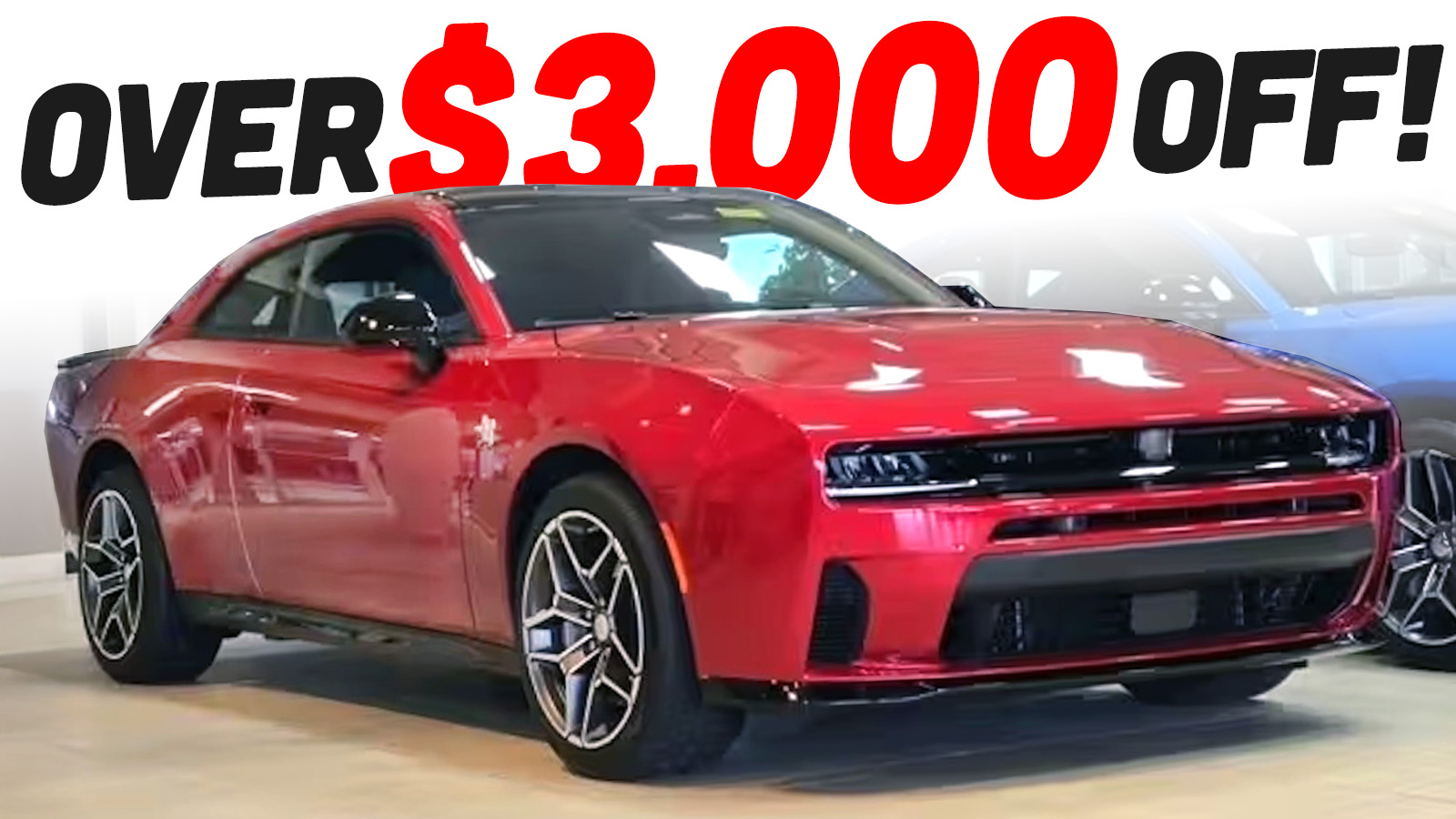
The new Dodge Charger Scat Pack with a 3-liter inline-six engine is arriving at dealerships, and buyers are already seeing significant discounts of over $3,000 off the MSRP, despite no official factory incentives yet. The car offers impressive performance and features, but the early dealer discounts suggest a competitive market response, possibly influenced by the electric Charger model's mixed reception.

Rare Ford Vehicles You Likely Haven't Seen
automotive9 months ago

Rare Ford Vehicles You Likely Haven't Seen

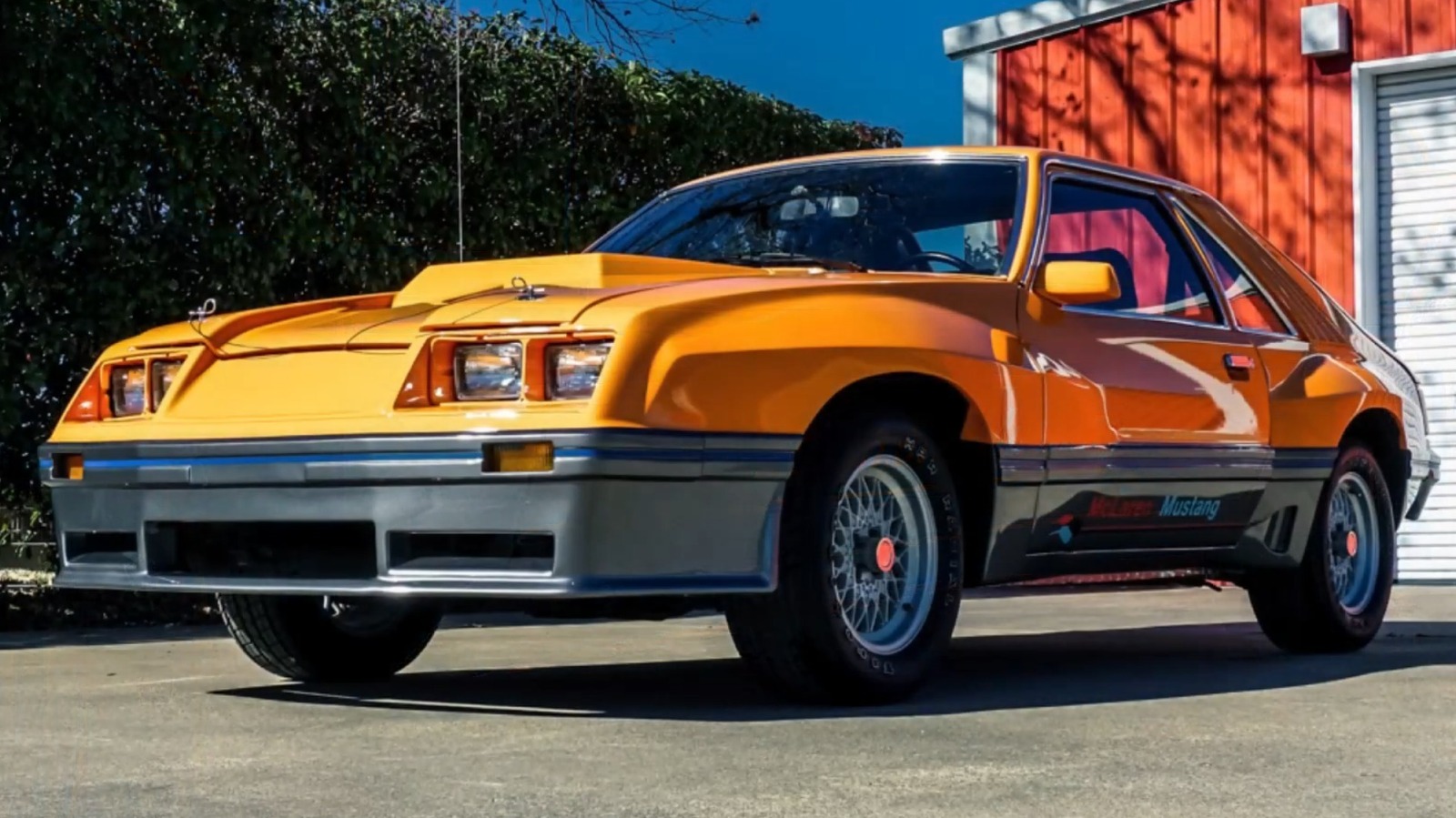
The article highlights some of the rarest Ford vehicles, including the Ford Fairlane 500 R-Code, a powerful muscle car from the '60s; the experimental V10 Mustang from 2004; the McLaren-enhanced Mustang M81 from the '80s; the rally-inspired Escort RS1700T; and the limited-edition GTX1 Roadster based on the Ford GT, emphasizing their unique features and rarity.

2026 Dodge Charger Sixpack: The Return of Muscle and Street Racing Excitement
automotive11 months ago

2026 Dodge Charger Sixpack: The Return of Muscle and Street Racing Excitement

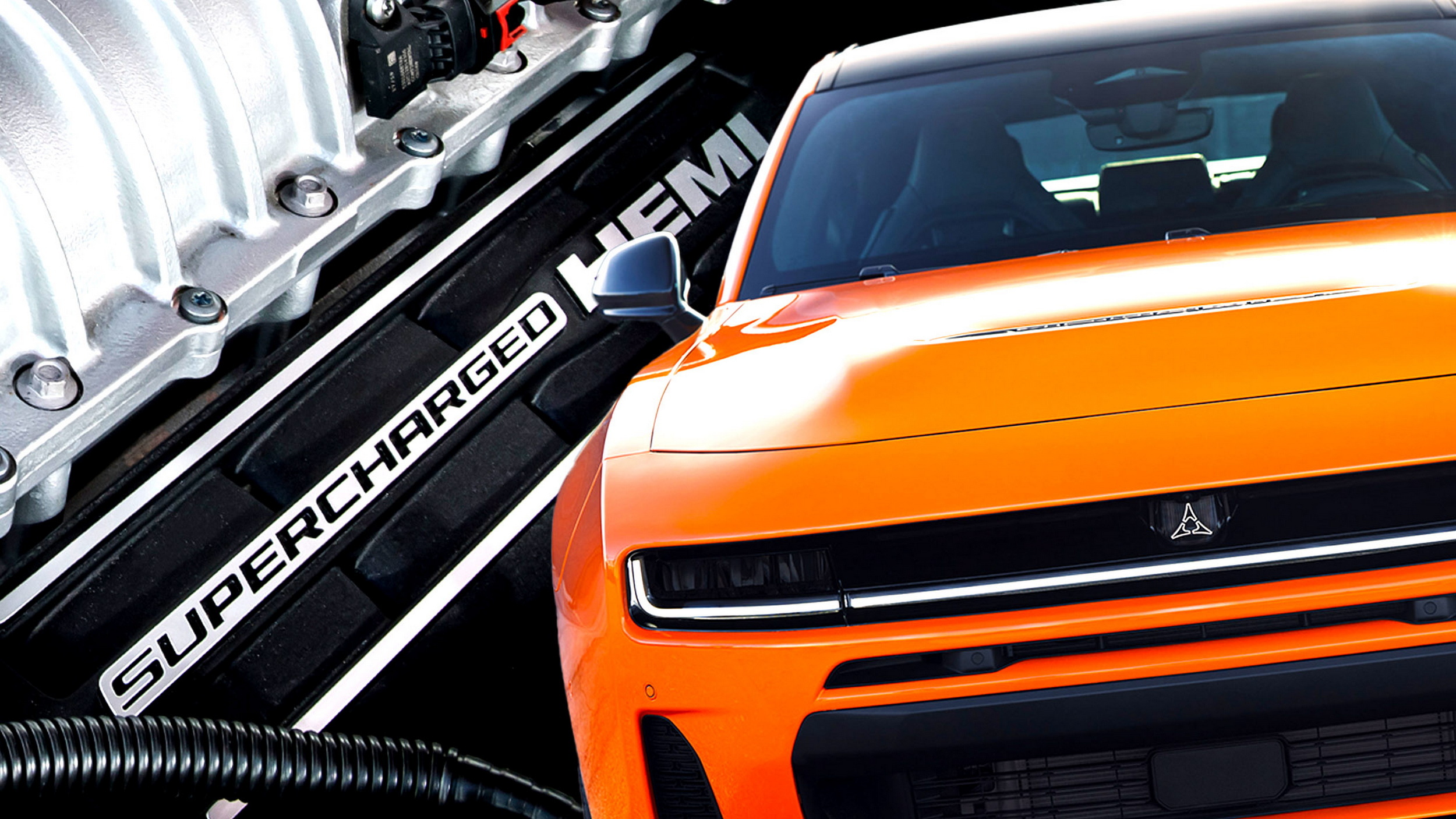
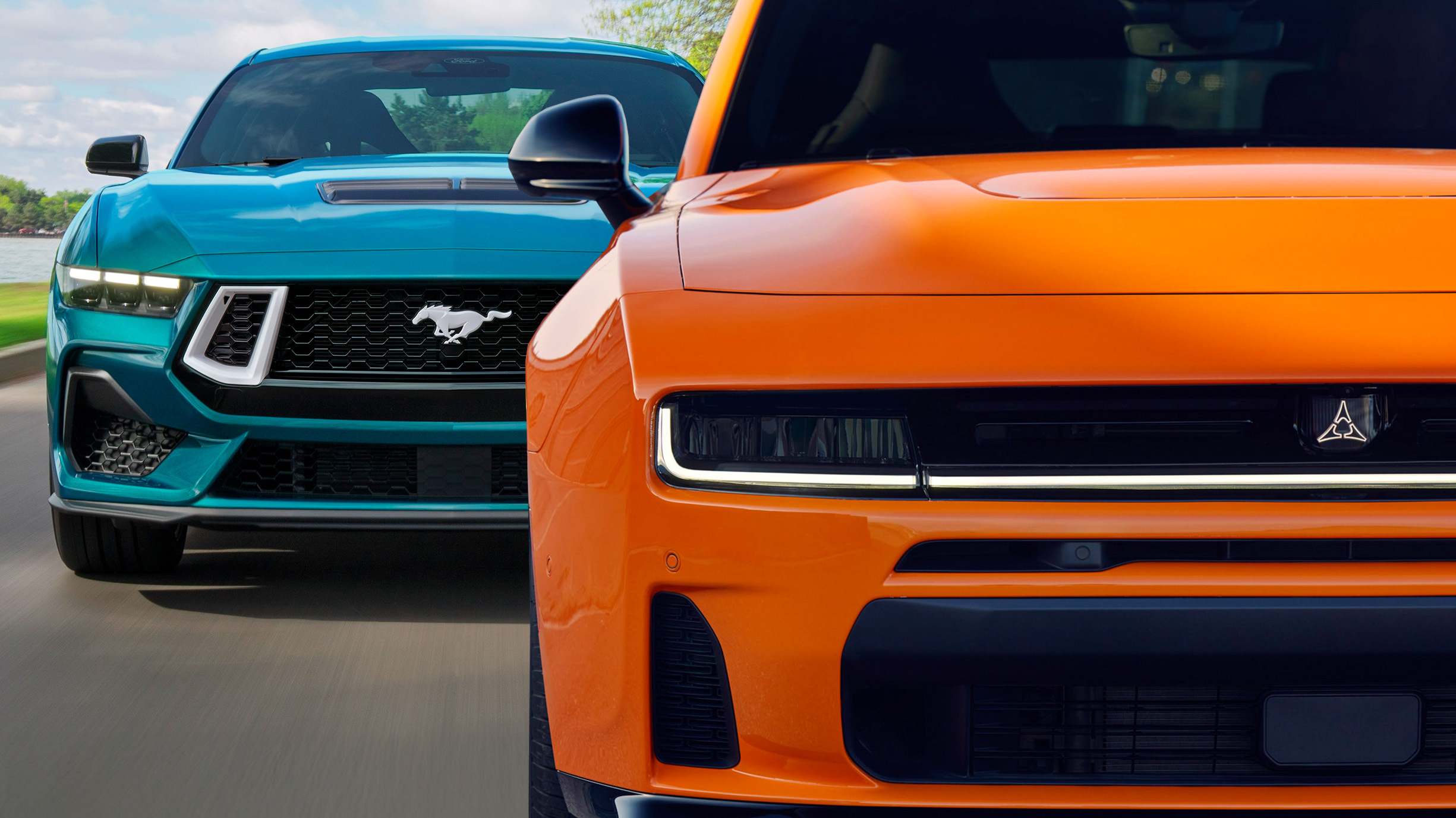
Dodge has introduced a combustion-powered Charger with options for 420 hp and 550 hp, competing against the Ford Mustang V8. The Charger offers more space, a liftback design, and AWD, but is heavier and more expensive. The Mustang provides a lighter, more traditional coupe with a V8 option and a convertible, but less interior space. The choice depends on preferences for performance, practicality, and budget.