
Connaught’s 2.0-Liter V10 Concept Remains Unbuilt Despite 300 HP Power
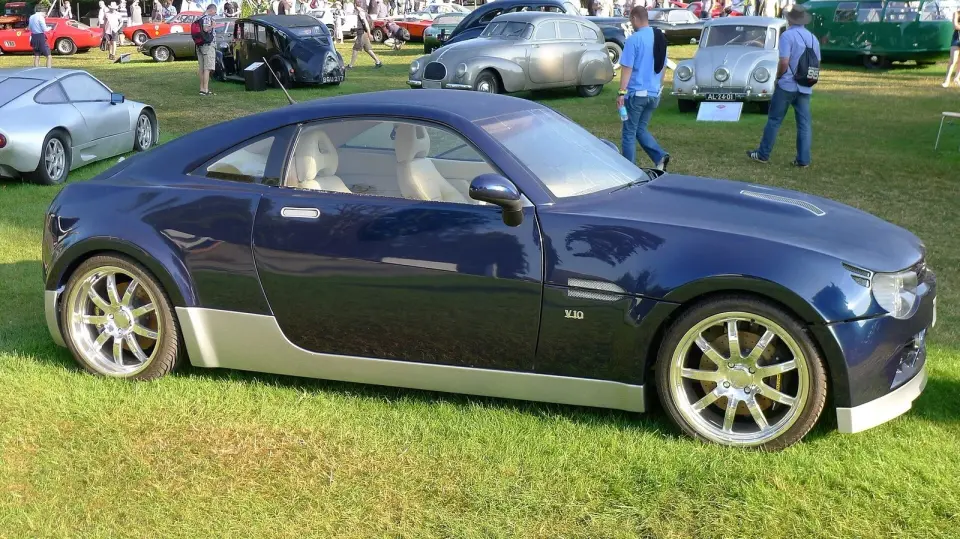
The Connaught Type D, a 2004 concept sports car, featured a 2.0-liter V10 engine, making it the smallest V10 ever designed for a car. The supercharged Syracuse GT version was projected to produce 300 hp, reach 171 mph, and accelerate from 0 to 60 mph in the low four-second range. Despite its impressive specs and lightweight 1,874-pound build, the car never entered production due to funding issues. The brand was later acquired by Bevan Davidson International, which proposed a 20-cylinder supercar in 2021, but no production models of either concept have been confirmed.
Key points
- The Connaught Type D concept, conceived in 2004, utilized a 2.0-liter V10 engine, significantly smaller than typical V10s like the 4.8-liter unit in the Lexus LFA.
- The standard Type D featured a naturally aspirated V10 paired with a Lynch electric motor for 162 hp, while the Syracuse GT version used a supercharger to achieve 300 hp.
- The Syracuse GT was projected to have a 0-60 mph time in the low four-second range and a top speed of approximately 171 mph, with a curb weight of 1,874 pounds.
- The Type D never progressed beyond the concept stage due to funding constraints, despite its performance metrics rivaling or exceeding those of modern four-cylinder sports cars like the Honda Civic Type R.
- In 2021, Bevan Davidson International proposed the Connaught X20, a supercar with a 20-cylinder engine composed of two 2.0-liter V10s, but no production has been confirmed.
Background
V10 engines are historically associated with high-displacement performance vehicles, such as the Porsche Carrera GT and BMW M5, which typically feature larger engine sizes. The Connaught Type D challenges this norm by demonstrating that a V10 can function effectively at a displacement comparable to modern four-cylinder engines. The archive does not provide relevant background for this automotive story.
Why it matters
The Connaught Type D illustrates the potential for high-performance engineering within strict displacement limits, a concept increasingly relevant as automotive regulations tighten. Its failure to reach production highlights the financial risks associated with niche, high-performance concepts. The subsequent proposal of the X20 suggests ongoing interest in unconventional engine configurations, though the lack of production indicates the market may not support such specialized designs.
What to watch
There is no confirmed timeline for the production of the Connaught Type D or the X20. Bevan Davidson International may revisit the Type D concept, but no official announcements have been made. The automotive industry will continue to monitor regulatory changes that could influence the viability of small-displacement, high-cylinder-count engines.
Want the full story? Read the original reporting
Read on Jalopnik