
Electric Vehicles Now Rival Hypercars in Acceleration
Jalopnik identifies 12 electric vehicles capable of reaching 60 mph in 3.5 seconds or less, highlighting how EVs have surpassed traditional supercar performance metrics. The list ranges from the Lucid Air Sapphire, which hits 60 mph in 1.89 seconds, to the Volvo EX30 Twin Motor Performance at 3.4 seconds. Key models include the Porsche Taycan Turbo GT, Audi RS e-tron GT performance, and Rivian R1T Quad. While these vehicles offer exceptional speed, trade-offs exist in range, handling, or price, with the Lucid Air Sapphire costing $250,500 and the Volvo EX30 starting at $46,345.
Key points
- Lucid Air Sapphire leads with a 1.89-second 0-60 mph time, 1,234 hp, and 427-mile range, priced at $250,500.
- Porsche Taycan Turbo GT achieves 2.2 seconds with 1,019 hp, while the Weissach Package reduces time to 2.1 seconds.
- Rivian R1T Quad reaches 60 mph in 2.5 seconds using four motors and 1,025 hp, offering 374 miles of range.
- Affordable options include the Tesla Model 3 Performance ($56,630, 2.9 seconds) and Volvo EX30 Twin Motor Performance ($46,345, 3.4 seconds).
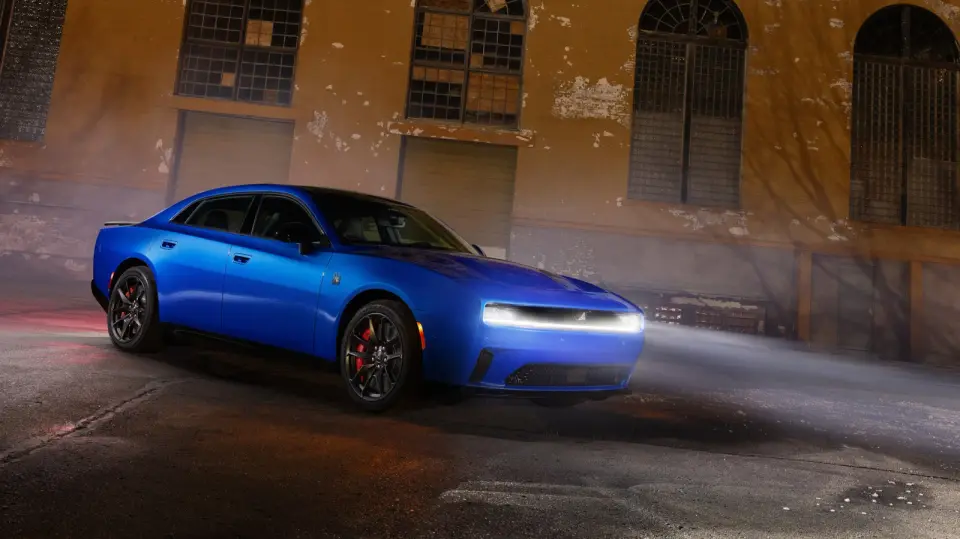
- High-performance EVs like the Hyundai Ioniq 5 N and Dodge Charger Daytona Scat Pack balance speed with handling features but have limited range.
Background
Recent automotive trends show a shift toward electric performance, with manufacturers prioritizing acceleration over traditional internal combustion engine metrics. This follows broader industry moves to integrate advanced battery technology and dual-motor systems, as seen in earlier coverage of EV charging standards and performance upgrades. The focus on 0-60 mph times reflects consumer demand for immediate power delivery, a key advantage of electric drivetrains.
Why it matters
The convergence of EV performance with hypercar-level acceleration challenges long-standing perceptions of electric vehicles as slow or impractical. This shift influences consumer choices, pushing automakers to balance speed with range and cost. As EVs become more accessible, they may redefine market segments, from luxury sedans to family crossovers, while raising questions about sustainability and infrastructure needs.
What to watch
Expect continued innovation in EV performance, with manufacturers focusing on improving range, charging speeds, and handling. Future models may integrate advanced software for better torque distribution and driving modes. As prices decrease and infrastructure expands, high-performance EVs could become more mainstream, influencing competition with traditional supercars and luxury brands.
Want the full story? Read the original reporting
Read on Jalopnik