
Seven 1970s Luxury Cars Have Lost Up to 90% of Their Inflation-Adjusted Value
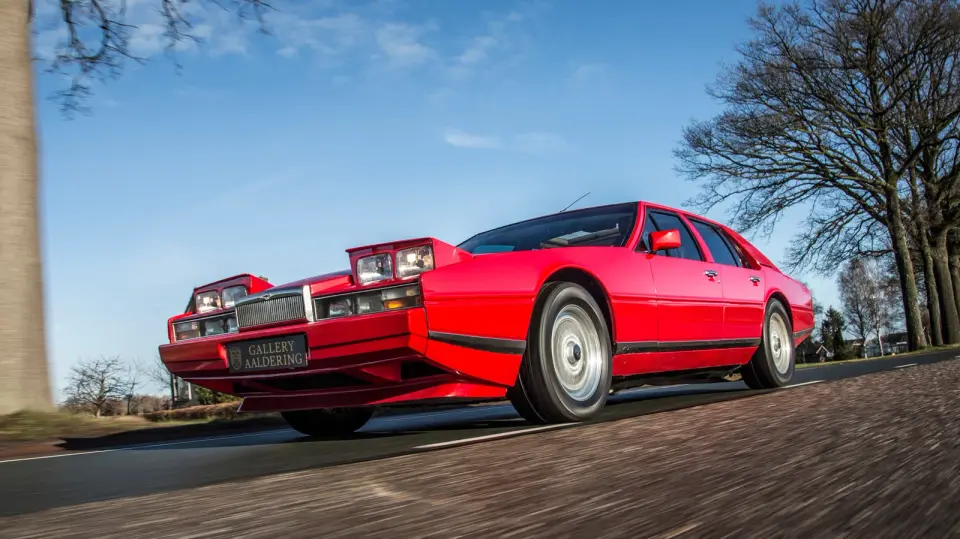
While many 1970s vehicles have become collector’s items, seven specific models remain significantly cheaper today than their inflation-adjusted original prices. These include the Chrysler New Yorker Brougham, Mercedes-Benz 450 SEL 6.9, Bentley T2, Maserati Merak SS, Aston Martin Lagonda S2, Stutz Blackhawk, and Rolls-Royce Camargue. Despite their high launch costs, which ranged from $7,831 to $68,445, current market values for these cars in good condition are far lower. For instance, the 1978 Chrysler New Yorker Brougham, which cost the equivalent of $40,100 today, now averages $9,230. Similarly, the Rolls-Royce Camargue, the world’s most expensive new car in 1975 at $68,445, is now valued at approximately $33,500. Factors contributing to this steep depreciation include high maintenance costs, divisive styling, and a lack of collector appeal compared to other contemporaries.
Key points
- The 1978 Chrysler New Yorker Brougham cost $7,831 originally, equivalent to $40,100 today, but now averages $9,230.
- The 1977 Mercedes-Benz 450 SEL 6.9 had a UK price of £21,995 (approx. $38,491 then, $212,100 today), now valued at $30,200–$33,900.
- The 1977 Bentley T2 cost £22,809 (approx. $40,000 then, $220,000 today), now valued at $13,500.
- The 1977 Maserati Merak SS cost £12,390 (approx. $21,683 then, $253,500 today), now valued at $46,000.
- The Aston Martin Lagonda S2 had a $79,500 sticker price (approx. $365,700 today), now valued at $50,000.
- The Stutz Blackhawk cost $74,000 in 1978 (approx. $379,000 today), now valued at $28,200.
Background
Depreciation typically affects most vehicles, with the average new car losing 30% of its value in the first two years. However, some 1970s models have experienced such severe value drops that they remain affordable despite their original high cost. These cars often suffered from high repair costs, controversial design choices, or a lack of collector interest, preventing the value recovery seen in other classics from the same era.
Why it matters
For buyers seeking luxury vehicles from the 1970s, these models offer a significant discount compared to their original inflation-adjusted prices. However, potential owners must consider the high maintenance and repair costs associated with these older, complex vehicles, which may offset the initial savings.
What to watch
The used car market for these specific 1970s models is likely to remain stable or continue to see low values due to their high maintenance costs and lack of collector appeal. Buyers should be cautious about the long-term financial implications of owning these vehicles, as repair bills can be ruinous.
Want the full story? Read the original reporting
Read on Jalopnik