
Wizards of the Coast to Distribute Anthropic Settlement Funds to D&D Authors
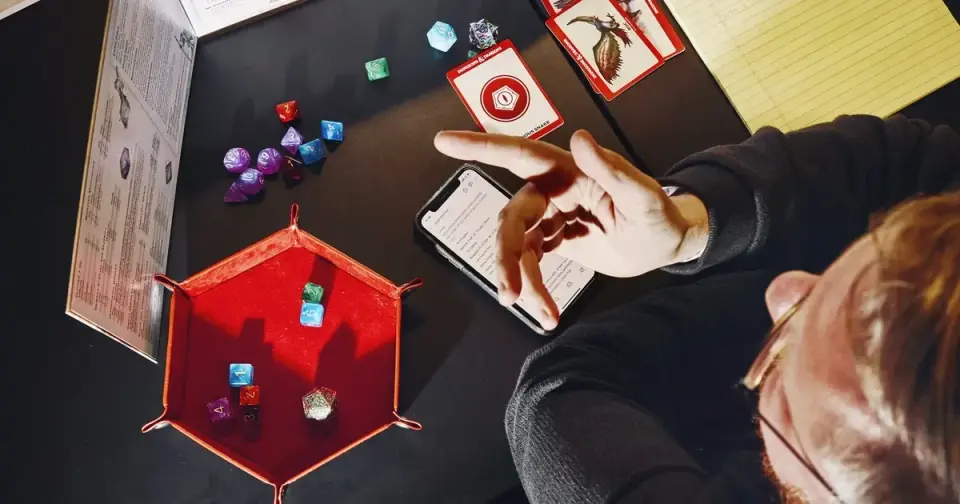
Wizards of the Coast is voluntarily passing its entire share of the $1.5 billion Anthropic copyright settlement to the authors of Dungeons & Dragons works, rather than keeping the funds as the copyright owner. The move, which covers approximately 400 works at roughly $3,000 each, was driven by advocacy from veteran authors and approved by company leadership, marking a significant departure from the standard 50-50 publisher-author split in the settlement.
Key points
- Wizards of the Coast, a subsidiary of Hasbro, is distributing its portion of the $1.5 billion settlement with AI company Anthropic to the authors of Dungeons & Dragons novels, modules, and stories.
- The company owns the copyrights to these works under work-for-hire contracts, meaning it was legally entitled to keep the full payout rather than splitting it 50-50 with authors as per the settlement's default terms.
- Approximately 400 Wizards of the Coast works are covered by the settlement, with payouts totaling about $3,000 per work, placing the company's total share at an estimated $1.2 million, though this figure was not officially confirmed.
- The decision was influenced by months of discussions involving authors James Lowder and R.A. Salvatore, and was approved by Dan Ayoub, president of Wizards of the Coast and Hasbro Digital Games.
- First installments of payments from Anthropic began going out the week of November 23, 2026, according to the Authors Guild.
Background
The Bartz v. Anthropic case, filed in 2024, resulted in the largest copyright class-action settlement in U.S. history, approved by U.S. District Judge Araceli Martínez-Olguín in July 2026. The settlement follows a 2025 ruling by Judge William Alsup, which found that using legally acquired books for AI training was fair use, but that Anthropic's use of pirated copies from websites like LibGen and PiLiMi was not. The settlement covers roughly 482,000 to 500,000 works. Prior to this announcement, our archive noted that Wizards of the Coast had already signaled its intention to forgo its share, but this briefing confirms the active distribution of funds and the specific reactions from authors.
How outlets are covering it
The Seattle Times and ICv2 emphasize the voluntary nature of the decision, highlighting that Wizards of the Coast could have kept the money but chose to honor the creators. Dungeons & Dragons Fanatics and explainx.ai contrast this move with other publishers, which are described as 'scrambling to grab as much settlement money as possible' or retaining their shares. The Seattle Times notes that some authors, like Mary Kirchoff, were surprised because they did not file claims, believing the company controlled the copyrights. All sources agree that the decision was driven by advocacy from authors like R.A. Salvatore and James Lowder, and approved by Dan Ayoub. The Seattle Times and explainx.ai note that the company declined to confirm the exact total of its share, while Dungeons & Dragons Fanatics estimates it in the 'hundreds of thousands of dollars.'
Why it matters
This decision sets a public benchmark for how publishers can handle AI-related copyright settlements, potentially influencing future negotiations and reputational standards in the industry. It demonstrates that even when a publisher holds legal copyright, it can choose to share proceeds with creators, which may impact how other companies approach AI licensing and author compensation. The move also highlights the ongoing tension between AI training practices and copyright holders, particularly in the context of the Bartz v. Anthropic settlement.
What to watch
Authors are expected to continue receiving payments as the settlement installments are distributed. The Authors Guild has indicated that first installments began the week of November 23, 2026. Wizards of the Coast has stated it is focused on getting authors paid out under the Bartz matter and does not comment on litigation strategy for future AI-related lawsuits. The company has also pointed to March 2026 Hasbro guidelines that prohibit using creative works to train AI without clear author permission.
- Dungeons & Dragons maker gives away chunk of massive settlement, leaving recipients ‘stunned’ The Seattle Times
- D&D Authors Win Big in Anthropic AI Settlement Dungeons & Dragons Fanatics
- WIZARDS OF THE COAST TO GIVE ANTHROPIC SETTLEMENT TO D&D AUTHORS ICv2
- Wizards of the Coast Gives D&D Authors Its Share of the Anthropic Settlement explainx.ai
- Wizards of the Coast to pass full AI copyright payout to D&D writers Yahoo
Want the full story? Read the original reporting
Read on The Seattle Times