
Why a Trackpad, Not Performance, Convinced a 25-Year Windows User to Switch to Mac
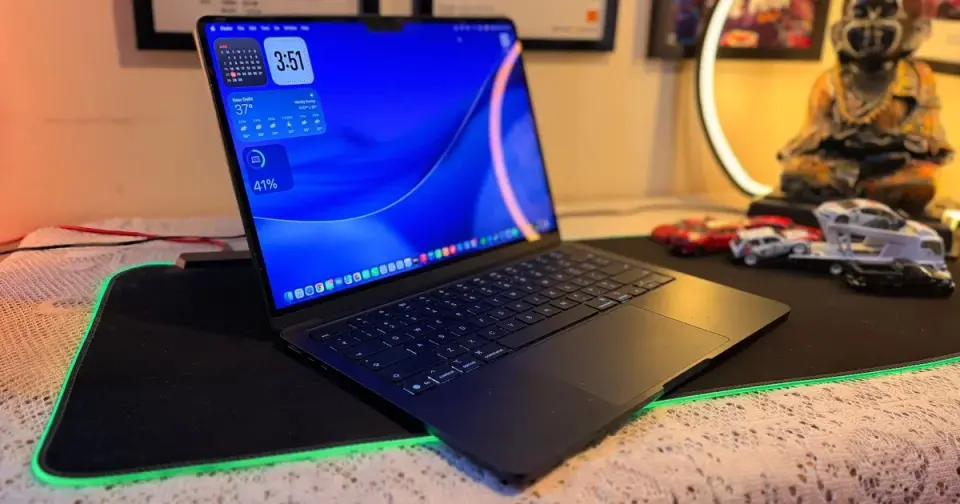
A Digital Trends writer who used Windows laptops for 25 years switched to a MacBook Air M5 after a Windows device failed in cold weather. While praising the Mac's build quality and performance, the author identifies the trackpad as the primary reason for the switch. The macOS trackpad integrates deeply with the operating system through gestures like Mission Control and three-finger drag, creating a frictionless experience that Windows lacks. After six months, the author finds Windows trackpads inferior and no longer relies on external mice.
Key points
- The author switched from Windows to a MacBook Air M5 after a Windows laptop motherboard shorted out in freezing temperatures in Manali.
- The author had never used a Mac before this incident, viewing them as expensive niche devices.
- The primary reason for staying with Mac is the trackpad, which the author previously considered a mere backup for a mouse.
- macOS is designed around trackpad gestures, such as Mission Control, three-finger drag, and virtual desktop swiping, which Windows does not support as effectively.
- The author notes that Windows trackpads feel like compromises, often requiring an external mouse for precise work, whereas the Mac trackpad eliminates this need.
- After six months, the author finds the Mac trackpad intuitive enough that it becomes muscle memory, while Windows trackpads feel clunky by comparison.
Background
This article is a personal narrative from a Digital Trends writer, Moinak Pal, published in August 2026. It contrasts the user experience of macOS and Windows, focusing on input methods rather than hardware specifications. The story highlights a shift in consumer perception where software-hardware integration, specifically gesture control, can outweigh traditional metrics like performance or price.
Why it matters
The article illustrates how integrated hardware and software ecosystems can create sticky user experiences. By emphasizing the trackpad's role in daily workflow, it challenges the notion that performance or price are the sole drivers of platform loyalty. For consumers, it suggests that the 'feel' of an interface can be a decisive factor in switching operating systems, even after long-term habit formation.
What to watch
The author states they do not intend to return to Windows. The article serves as a testimonial for the MacBook Air M5's value proposition, particularly for users prioritizing build quality and seamless interaction over gaming or upgradeability. No further developments are mentioned in the source.
Want the full story? Read the original reporting
Read on Digital Trends