computing104.515 min read
Microsoft Unveils Haptic Surface Mouse and Snapdragon X2 Plus Laptops
13 days ago•Source: Tom's Guide

The latest computing stories, each synthesized from multiple sources with added background and context.
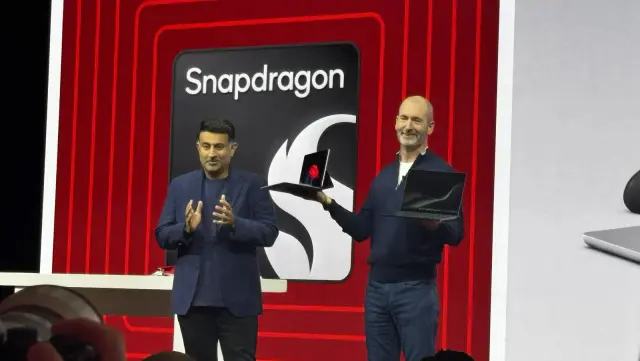
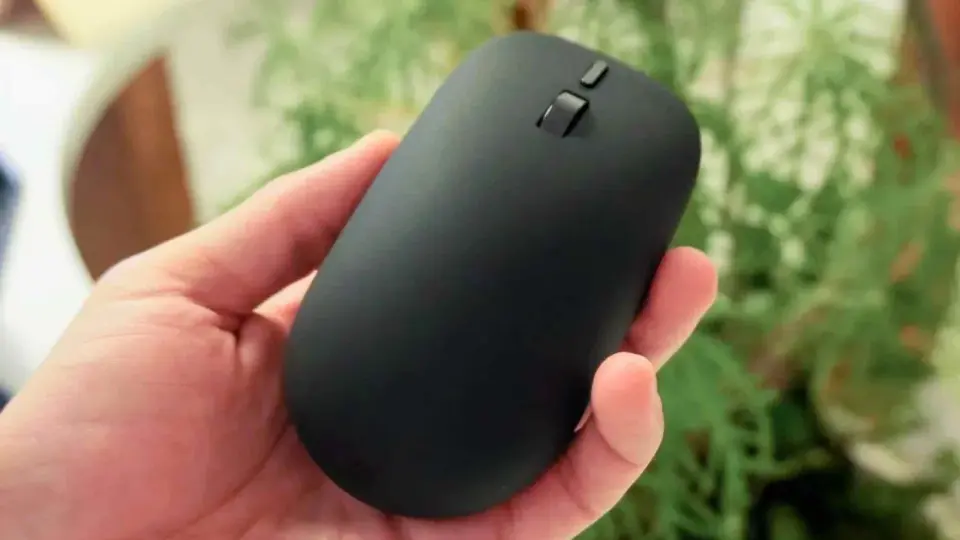
Microsoft unveiled second-generation 12-inch Surface Pro and 13-inch Surface Laptop models at Snapdragon Summit 2026, powered by Qualcomm’s Snapdragon X2 Plus chips. The devices feature brighter 500-nit displays, up to 18% better battery efficiency, and 95% faster on-device AI performance. A new haptic Surface Mouse was also introduced. Both laptops and the mouse launch on October 13, with starting prices of $1,149.99 and $1,199, respectively, reflecting higher RAM minimums and memory costs.
Digital Trends•1 month ago
Digital Trends•2 months ago
A massive leak offers the clearest look yet at the Lenovo Googlebook 15, revealing an Android-based Aluminium OS desktop interface, a dedicated Gemini hardware key, a top-notch 15-inch display with a privacy notch, and a full port set (HDMI, USB-C, USB-A, SD card) plus Dolby Atmos speakers; renders also show Canva and Adobe Premiere Pro running on the desktop, signaling Googlebooks’ aspiration as a serious workstation. Lenovo is expected to unveil the Googlebook 15 at IFA in September.

Minisforum's AtomMan G1 Pro squeezes a laptop-class Ryzen 9 8945HX and a desktop RTX 5060 into a 3.85-liter chassis with an integrated PSU, delivering solid 1080p gaming and strong multi-core performance for its size; however upgradeability is limited, IO is modest (no USB4/20Gbps ports), cooling is quiet, and at $1,799 as tested it competes with larger towers that offer more headroom, making it a niche rather than a clear winner.
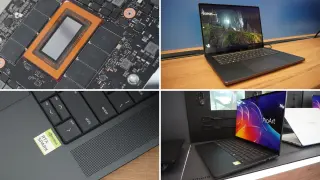
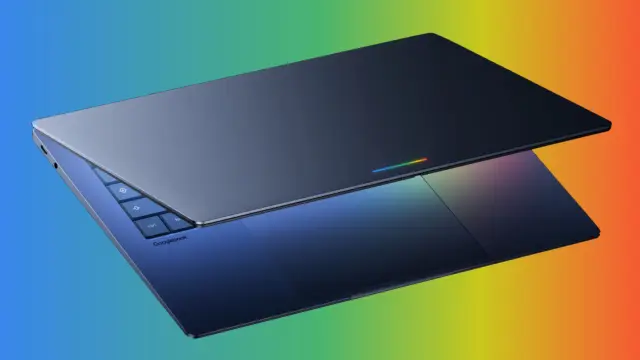
Tom’s Guide tested Nvidia’s RTX Spark laptops launching this fall and ranked eight premium notebooks, placing the Surface Laptop Ultra and Asus ProArt P14 in S-Tier for standout build quality and features (including a groundbreaking haptic touchpad and OLED display, respectively). The MSI Prestige Flip N16 AI+, Asus ProArt P16 and HP Omnibook X14 land in A-Tier, while HP Omnibook 16 Ultra, Lenovo Yoga Pro 9N and Dell XPS 16 Creator Edition sit in B-Tier. Nvidia notes Spark is the top-tier chip in a broader family and prices could be steep, with these laptops largely being rebadged designs with adjusted cooling; final choices come down to priorities like keyboard feel, display quality, and portability.

Tom’s Guide’s Computex 2026 coverage highlights 17 standout gadgets—from Nvidia’s RTX Spark AI GPU and Windows-on-Arm ambitions to premium laptops, AI-powered desktops, handhelds, and next‑gen monitors—showcasing high-value devices such as the Microsoft Surface Laptop Ultra, Asus ROG Strix Scar 18, Dell XPS 13, MSI Claw 8 EX AI+, Klevv PC builds, MSI MEG Vision X2 AI+, Asus Ascent QN10, Intel Arc G3 handhelds, Qualcomm Snapdragon C, Alienware 39 5K OLED monitor, MSI LuckyClaw, and more, signaling a shift toward agentic AI and AI-accelerated compute across PCs, laptops, mini PCs, and peripherals.
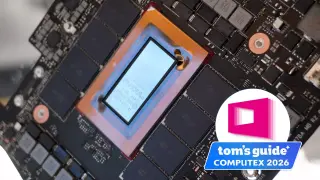
Live from Computex 2026, Tom's Guide tests Nvidia's RTX Spark laptops, previews eight Spark-powered machines arriving this fall (including a Surface Laptop Ultra) and notes the Dell XPS 13 as a MacBook Neo competitor; hands-on with Asus Zenbook 14, Intel Arc G3 handhelds (Acer Predator Atlas 8, MSI Claw 8 EX AI+), and other show-floor highlights like MSI's Triple Mode monitor, while pricing remains unannounced and Nvidia touts Spark as enabling desktop-class AI and video workloads on slim laptops.

Fidelity Investments has agreed to a $2.5 million class-action settlement over a 2024 data breach that affected more than 155,000 customers. Eligible claimants include those Fidelity notified and U.S. customers whose account numbers and routing numbers were exposed; payouts can reach up to $5,000 for documented out-of-pocket losses, with the bulk of payments expected to be pro-rated around $100. A July 9 court hearing will decide final approval, and claims must be filed by July 27 via the settlement website; California residents may receive additional payments under the California Consumer Privacy Act.

A 4GB file named weights.bin has surfaced in Chrome folders, tied to Gemini Nano on-device AI that runs features like autofill and text summaries; Google says the model is downloaded to keep on-device features ready and has added an opt-out, but concerns remain about transparency and consent as users may not be clearly informed of the storage impact. Deleting it may not be permanent if related AI features stay enabled.
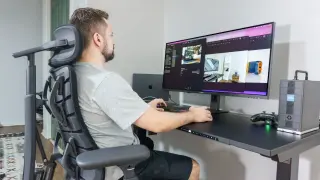
Tech writer and desk-setup hobbyist Anthony Spadafora explains why he swapped his multi-monitor rig for a single 40-inch Innocn ultrawide, arguing the extra width provides a more seamless workflow than two or more displays. After years of experimenting with stacked/dual/triple monitors and juggling Mac and Windows, he finds the ultrawide’s continuous workspace improves focus and multitasking, making a second screen feel redundant for many tasks, though personal preference still matters.

Tom's Guide reports Mark Gurman saying Apple will unveil its first AR glasses in the September/October window this year, with a early-2027 rollout. Apple plans a display-free first-gen pair focused on tight iPhone integration, premium acetate frames in multiple styles, and a substantially upgraded Siri (potential Gemini integration). Beyond glasses, Apple is eyeing AI wearables like AirPods with cameras and an AI pendant to broaden its wearable ecosystem, all as part of a strategy to blunt Meta’s momentum ahead of the holidays.

TechRadar pits ChatGPT and Gemini against its own PC expert to see which AI can assemble the better desktop build. ChatGPT’s Ryzen 5 7600 + RX 9070 XT-based configuration narrowly beats Gemini’s Ryzen 7 9700X + RTX 5070, with similar RAM, SSD, cooling, PSU, and a Fractal North case in both proposals. The article notes the margin is small and invites readers to watch the full episode to see which build ultimately wins.