
Sneaker Market Collapse Offers Hope for Pokémon and Retro Game Fans
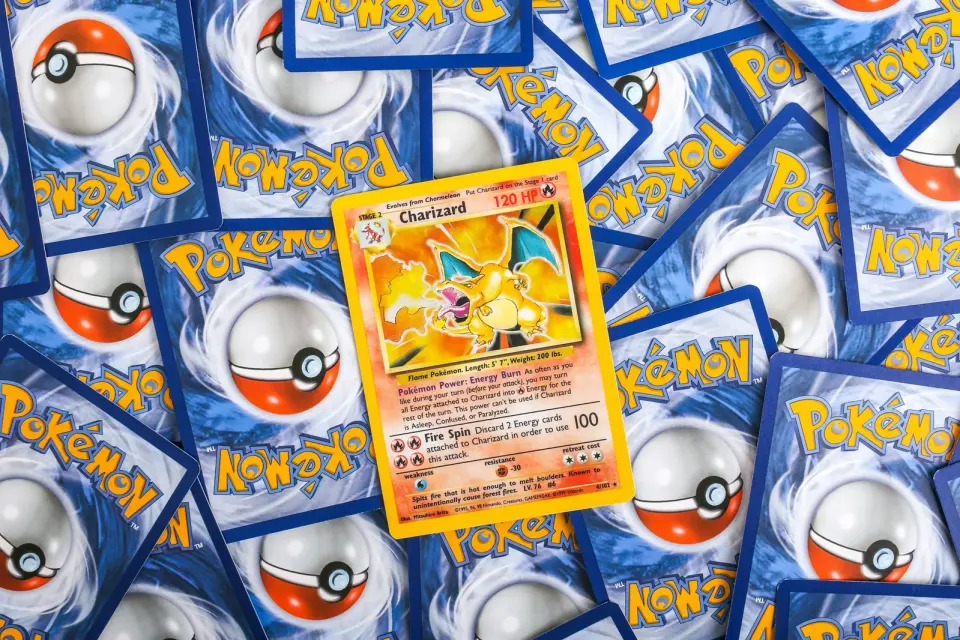
The speculative boom in sneaker resale, which peaked in the late 2010s, has largely collapsed, offering a precedent for the current crisis in Pokémon card and retro gaming markets. As manufacturers shifted focus to performance brands and the hype cycle faded, resale prices normalized. Experts suggest that as the initial generation of collectors ages out and new trends emerge, the current speculative bubble in trading cards and vintage games will likely follow a similar trajectory, eventually returning these hobbies to affordability for genuine enthusiasts.
Key points
- The sneaker market experienced a speculative boom from 2016 to 2020, driven by limited releases and platforms like StockX, which inflated prices far above retail.
- By 2026, the sneaker resale frenzy has significantly cooled; brands like Hoka and Salomon have captured market share, and manufacturers have increased supply, reducing the need for resellers.
- Russ Bengtson, a sneaker industry expert, notes that the current hype in Pokémon cards and retro games mirrors the sneaker cycle, driven by nostalgia and limited availability.
- Speculators are described as 'locusts' who move to new markets for profit, often alienating the core fanbase that originally drove the product's value.
- The collapse of the sneaker bubble suggests that the current inflation in trading cards and vintage games is temporary, as the demographic driving the nostalgia will eventually age out or lose interest.
Background
This analysis follows recent disruptions in the Pokémon Trading Card Game market, including the 30th-anniversary release in September 2026, which faced scalping, counterfeits, and pre-order cancellations by The Pokémon Company. It also aligns with broader concerns about reseller activity in gaming, such as the Xbox ban on fraudulent code redemptions in late 2026, highlighting ongoing tensions between manufacturers and secondary markets.
Why it matters
Understanding the lifecycle of speculative bubbles in consumer goods helps fans and collectors anticipate market corrections. The sneaker market's recovery demonstrates that excessive resale premiums are often unsustainable, suggesting that current price spikes in Pokémon cards and retro games may eventually normalize, restoring access for dedicated enthusiasts.
What to watch
Expect continued volatility in the Pokémon and retro gaming markets as manufacturers implement anti-scalping measures. Over the next few years, as the current wave of nostalgia-driven collectors matures, demand for speculative items may decline, potentially leading to a stabilization of prices closer to retail values.
Want the full story? Read the original reporting
Read on Aftermath