
D&D Emerges as Popular Screen-Free Hobby for Kids
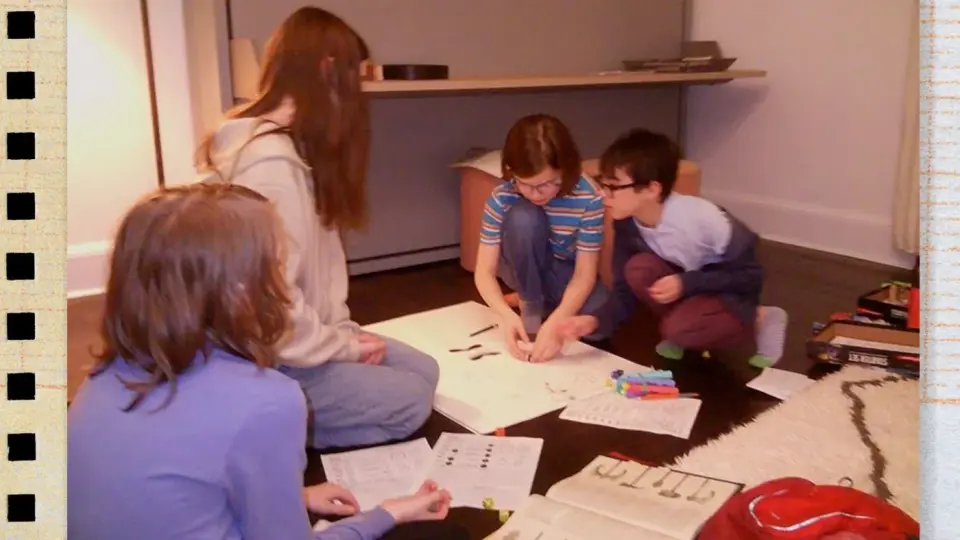
Dungeons & Dragons is experiencing a resurgence among families seeking alternatives to digital entertainment. As the game approaches its 50th anniversary, parents and children are embracing its in-person, imagination-driven gameplay. A New York-based parent collective is hosting regular sessions for tweens, highlighting the game's value in fostering collaboration and social interaction without screens.
Key points
- Dungeons & Dragons, first published in 1974, is gaining popularity as a screen-free activity for children.
- Ted Fair, a Dungeon Master in Washington Heights, New York, leads a group of nine to twelve-year-olds through monthly sessions.
- The group participates in Tweens Without Screens, a parent collective offering technology-free activities like knitting and hiking.
- Children cite imagination, friendship, and the ability to express different personalities as key benefits of playing D&D.
- Recent sessions involved exploring caves and discovering items, with players using pencils and books rather than digital devices.
Background
D&D has seen a cultural revival in recent years, driven by media like 'Stranger Things' and increased interest during COVID-19 lockdowns. This follows earlier industry developments, including a 2026 crossover with World of Warcraft and a 2026 decision by Wizards of the Coast to redirect AI settlement funds to D&D authors.
Why it matters
The rise of D&D as a screen-free hobby addresses growing parental concerns about children's digital consumption. It offers a tangible, social alternative that encourages creativity and face-to-face interaction, aligning with broader trends toward balanced media use.
What to watch
Tweens Without Screens plans to continue hosting monthly D&D sessions and other technology-free activities for children in the New York area.
Want the full story? Read the original reporting
Read on NPR