Brazilian police killed a suspect who was holding 13 children at knifepoint. The incident occurred on October 10, 2026. No further details about the location or the suspect's identity were provided in the source.
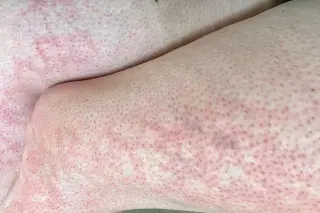
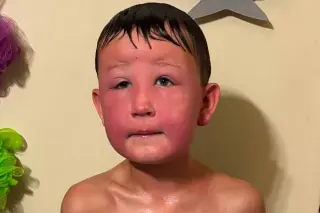
A 7-year-old in Illinois helping in the garden touched pokeweed, a toxic plant, and hours later developed a blistered rash and breathing difficulties. He was treated in the ER, with doctors later confirming an allergic reaction to pokeweed. His family warns other parents to research unknown plants and monitor kids after gardening, noting that pokeweed is poisonous and its seeds can stay viable for up to 50 years.
A new study in Science Advances finds that climate change has added at least one month of dangerous heat stress for 560 million children under 10 globally. This exposure is nearly triple that of older adults, with India accounting for 145 million of these affected children. The research highlights that children are disproportionately vulnerable due to physiological differences and lack of infrastructure in the Global South.
A Florida 15-year-old known as RKC withdrew his lawsuit accusing Meta of fueling depression and anxiety through Instagram just days before a Los Angeles trial, dropping the claims without receiving any payment. Earlier, YouTube, TikTok and Snap settled or tentatively settled with other plaintiffs. Meta said the claims were baseless, while the case reflects a broader wave of litigation alleging social networks are designed to addict young users, with more lawsuits and verdicts shaping the industry.
A global analysis of 106,581 pediatric infection samples across 82 countries shows antibiotic resistance increasing in every region from 2004–2022, with the youngest and critically ill most affected and low-resource settings hit hardest. Bacteria such as Acinetobacter baumannii and Klebsiella exhibit high resistance, with models predicting last-line drug resistance could reach about 82% and 35% by 2035. Children are underrepresented in resistance surveillance, highlighting the need for better diagnostics, child-focused treatments, and global surveillance (AMR in Kids provides forecasts). The piece also notes real cases like 13-year-old Harry Booth, whose immunosuppressed status after a kidney transplant complicates treatment and underscores the stakes.
A 7-year-old Cody, Wyoming girl named Chloe Blanden had no guests at her birthday after every invited friend canceled, but a mom’s urgent Facebook plea drew hundreds of strangers to a local pizzeria, where about 15 families celebrated with gifts; Chloe, who has developmental challenges, received unexpected support including a Venmo donation, turning a near-heartbreak into a heartwarming community moment.
Experts say brief, unavoidable nudity at home is common and can be nonharmful, but how you handle it should depend on your child’s age, maturity, and family values, with more privacy rules as kids grow. Start setting boundaries around age 4 to establish privacy norms, while watching how your child reacts as a cue for when more limits are appropriate. Teach consent and safe-touch, model body-positive attitudes without shaming, and have open conversations about what is private and who can be present. If unsure, follow your child’s cues and discuss boundaries that apply inside and outside the home.
A school bus crash in Uganda has killed at least 21 people — 20 children and one adult — with authorities launching an investigation into the crash and its circumstances.
June 2026 saw 123 child casualties in Ukraine (7 killed, 116 injured), the highest since April 2022, as increasingly powerful missiles destroy apartment buildings; Save the Children says its Ukraine operation has reached over 4.7 million people, including 1.9 million children (with about 448,000 receiving education support) since February 2022.
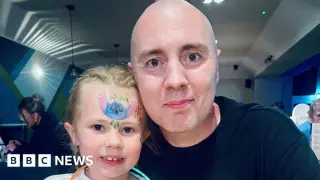
A Wirral family copes with a terminal cancer diagnosis after dad (Chris Capstick, 40) is told the disease is terminal. Their six-year-old daughter Isabella wrote a rhyming picture book from her own perspective about “daddy’s little monsters,” keeping the term even from her dad on purpose. What began as a family project is now for sale on Amazon, with 138 copies sold in a week, and aims to help other children understand what’s happening. Health professionals advise simple, ongoing conversations with children, using age-appropriate language and reassuring routines to ease fear and encourage questions.
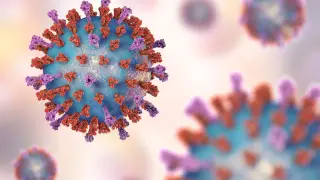
Chandipura virus (CHPV) is a rare, rapidly progressive infection transmitted by sandflies that can cause severe brain inflammation in children within 2–3 days. There is no specific antiviral treatment or vaccine, so early diagnosis and urgent hospital care are crucial for survival. Seek medical attention promptly for sudden high fever with vomiting, seizures, or altered consciousness, as delay can be deadly. Prevention focuses on reducing sandfly bites—covering skin, using child-safe repellents, and using insecticide-treated nets—along with sanitation, especially during the monsoon when outbreaks are more likely.
Two young children were transported to the hospital with life-saving measures in progress after a crash at 114th Street and West Center Road in Omaha; both adult drivers were critically injured, and investigators say speeding or alcohol may be involved as the inquiry continues.
An Idaho mother, Andrea Shaw, has been charged with two counts of first-degree murder after authorities allege she suffocated her 18‑month‑old twins, who she claimed died following routine immunizations; the case ties Shaw to anti‑vaccine activism and to Robert F. Kennedy Jr.’s network, which promoted her vaccine‑death claims.
Researchers report a decades-long effort to develop a vaccine against enterotoxigenic Escherichia coli (ETEC), a leading cause of diarrheal illness in children in low- and middle-income countries. The new vaccine approach targets a toxin produced by ETEC and has been licensed to Valneva for further development, marking a milestone though an approved vaccine is still years away. The work, led by the University of Bergen and NORCE, shows strong antibody responses and potential protection after early infection, but translation to an approved vaccine requires further lab studies, clinical trials, and regulatory review. In the meantime, travelers are advised to avoid high-risk foods, drink bottled water, and practice good hand hygiene.