
Goldberger argues urban greatness relies on chance, not preservation
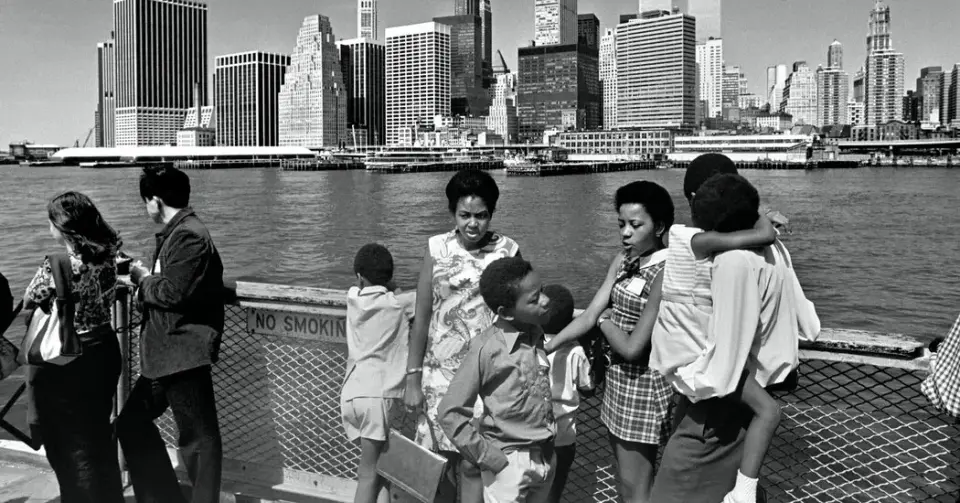
Paul Goldberger’s new book, 'The Imperfect City,' argues that urban vitality stems from serendipity and contingency rather than rigid preservation. Goldberger contends that freezing a city's skyline through landmarking kills its dynamic nature, comparing it to a pinned butterfly. He suggests that while we can recognize greatness, we cannot preserve it or recreate it from scratch, as the best outcomes often arise from unexpected developments.
Key points
- Paul Goldberger's new book, 'The Imperfect City: Design, Serendipity, and the Real Life of Cities,' explores how great urban spaces emerge through chance and contingency.
- Goldberger argues that landmarking a city's skyline is akin to pinning a butterfly, effectively ending the city's meaningful evolution and vitality.
- The author contrasts the romantic appeal of New York's crisis-era silhouette with the current skyline, suggesting that imperfection and accidental outcomes often yield better results than planned schemes.
- The book posits that while urban greatness can be recognized, it cannot be bottled for later use or artificially reconstructed from scratch.
Background
This release follows a recent trend in non-fiction and literary releases, including Dustin Hoffman's memoir 'Look at Me' and John Scalzi's 'Monsters of Ohio,' which have sparked discussions about narrative structure and personal history. The focus on urban design and serendipity in Goldberger's work contrasts with the fragmented structures seen in recent bestsellers like Sarah J. Maas's 'A Court of Splintered Harmony,' highlighting a broader cultural interest in how structure and chance shape both stories and cities.
Why it matters
The book offers a critical perspective on urban planning and preservation, challenging the notion that static preservation can capture the essence of a living city. It suggests that the value of urban environments lies in their unpredictable evolution rather than their fixed historical status.
What to watch
Readers interested in urban design and architectural criticism can explore Goldberger's arguments in 'The Imperfect City' to understand how serendipity shapes city life. The book may influence ongoing debates about historic preservation versus adaptive reuse in major cities.
Want the full story? Read the original reporting
Read on The New York Times